Bringing a dog into your home, whether a tiny puppy or a mature rescue, is a life-changing experience. The journey is filled with joy, wet-nosed greetings, and unconditional love. Suddenly, your quiet mornings are replaced with eager tail wags, and your walks become adventures in sniffing every blade of grass. It is a partnership that changes the rhythm of your daily life in the best possible way. To make sure that journey is a healthy and happy one, it’s important to have a solid foundation of care. Understanding your dog’s needs is the first step toward becoming their best friend and caregiver.
Owners often worry about doing everything “perfectly,” but perfection isn’t the goal—connection and care are. Your dog relies on you for everything, from the food in their bowl to the structure of their day.
This guide provides essential tips that every dog owner should know. We’ll cover everything from nutrition and exercise to grooming and training, helping you build a wonderful life together. By mastering these basics, you can navigate the challenges of pet parenthood with confidence and ease.
Foundational Health and Wellness
Your dog’s health is the cornerstone of a happy life. Proactive care, from their diet to regular vet visits, prevents many common problems and keeps your companion feeling their best. Just like humans, dogs thrive when they have a consistent routine that prioritizes their physical well-being. This isn’t just about fixing things when they go wrong; it is about building a lifestyle that prevents issues from arising in the first place.
Nutrition for a Healthy Life
A balanced diet is critical for your dog’s energy, growth, and overall health. The food you choose has a direct impact on their coat, weight, and even their mood. A dog fed poor-quality fuel may be lethargic, have a dull coat, or even struggle with behavioral issues due to discomfort or lack of nutrients.
- Choose High-Quality Food: Look for dog food where a specific meat, like chicken or lamb, is the first ingredient. Avoid foods with generic “meat by-products” or high levels of fillers like corn and soy. Whole meats provide the essential amino acids your dog needs for muscle development. Reading the label is the single most important habit you can develop when shopping for your pet.
- Age-Appropriate Diet: A puppy’s nutritional needs are very different from those of an adult or senior dog. Ensure you are feeding them a formula designed for their specific life stage. Puppies need higher calorie and protein counts to fuel their rapid growth spurts. Senior dogs, on the other hand, often benefit from diets lower in calories but fortified with joint-supporting supplements.
- Portion Control: Obesity is a major health concern for dogs. Follow the feeding guidelines on the food packaging, but adjust based on your dog’s activity level and body condition. Your vet can help you determine the ideal weight for your dog. Using a measuring cup rather than “eyeballing” the amount can make a huge difference in maintaining a healthy waistline.
- Limit Human Food: Many human foods are toxic to dogs, including chocolate, grapes, onions, and xylitol (an artificial sweetener). Stick to treats made specifically for dogs. While it is tempting to share your dinner, table scraps can cause pancreatitis or severe toxicity. If you want to add fresh food to their diet, stick to dog-safe options like plain pumpkin or carrot sticks.
The Importance of Regular Vet Visits

Your veterinarian is your partner in your dog’s health. Regular check-ups are for more than just shots; they are opportunities to catch potential issues early. Dogs are experts at hiding pain. A professional eye can spot subtle changes in weight, dental health, or heart rhythm that an owner might miss at home.
- Annual Check-ups: Adult dogs should see the vet at least once a year. These visits often include a physical exam, dental check, and discussions about nutrition and behavior. For senior dogs (usually over age 7), many vets recommend twice-yearly visits because age-related changes can happen much faster.
- Vaccinations: Core vaccines protect your dog from serious illnesses like rabies, distemper, and parvovirus. Your vet will recommend a schedule based on your dog’s age and lifestyle. Non-core vaccines, like for kennel cough, might be essential if your dog goes to daycare.
- Parasite Prevention: Fleas, ticks, and worms are more than just a nuisance; they can transmit diseases. Year-round prevention is the most effective way to protect your pet. Heartworm disease, transmitted by mosquitoes, is fatal if untreated but easily preventable. Discuss the best options with your vet, as different regions pose different risks.
For a comprehensive list of toxic foods and household hazards to avoid, the ASPCA Animal Poison Control Center is an invaluable resource for every pet owner.
Creating a Safe and Stimulating Environment
Your dog’s environment plays a huge role in their well-being. A safe home and plenty of mental and physical stimulation will lead to a more balanced and content dog. When a dog feels secure in their territory and engaged with their surroundings, they are less likely to develop anxiety or destructive habits.
Dog-Proofing Your Home
Puppies and even curious adult dogs can get into things they shouldn’t. Taking time to dog-proof your home can prevent accidents and emergency vet visits. Get down on your hands and knees to see the world from your dog’s perspective—you might be surprised at what looks like a chew toy from down there.
- Secure Trash Cans: Dogs love the smell of trash, but chicken bones, moldy food, or plastic wrappers can cause choking or blockages. Use cans with locking lids or keep them inside a pantry.
- Keep Chemicals Out of Reach: Antifreeze, bleach, and laundry pods are highly toxic. Store them on high shelves or install child-proof latches on lower cabinets.
- Tuck Away Electrical Cords: Puppies, in particular, explore with their mouths. Chewing on a live wire can cause severe burns or electrocution. Use cord covers or hide wires behind furniture.
- Ensure Houseplants are Non-Toxic: Common plants like lilies, sago palms, and aloe vera can be dangerous. The FDA provides a list of potentially poisonous plants to help you identify hazards in your home and yard.
- Store Medications Securely: A dropped pill can be deadly for a small dog. Never leave medication bottles on nightstands or counters where a curious nose might knock them over.
Exercise and Mental Enrichment
A tired dog is a happy dog. Exercise is crucial for physical health, but mental stimulation is just as important for preventing boredom and destructive behaviors. Many behavioral issues, like excessive barking or chewing on furniture, stem from a lack of activity.
- Daily Walks: Aim for at least one or two walks per day. This provides physical exercise, mental stimulation from new smells, and important potty breaks. Varying your route occasionally acts like a “news feed” for your dog, keeping their brain engaged.
- Playtime: Games like fetch, tug-of-war, and hide-and-seek are great for bonding and burning off energy. Tug-of-war, when played with rules (like “drop it”), is fantastic for impulse control.
- Puzzle Toys: Food-dispensing toys and puzzles challenge your dog’s mind and can keep them occupied when you’re busy. Instead of feeding them from a bowl, put their kibble in a wobbler toy or a snuffle mat to satisfy their natural foraging instincts.
- Training Sessions: Short, positive training sessions are excellent mental workouts. Fifteen minutes of learning a new trick can be as tiring for a dog as a thirty-minute run because of the focus required.
Training and Socialization
Training and socialization are essential investments in your dog’s future. A well-behaved, confident dog is a joy to be around and can participate more fully in your life. A trained dog has more freedom than an untrained one.
The Basics of Positive Reinforcement
Positive reinforcement training is the most effective and humane way to teach your dog. It involves rewarding desired behaviors with treats, praise, or toys. This method builds a strong, trusting bond between you and your dog.
- Keep it Short and Fun: Dogs have short attention spans. Keep training sessions to 5-10 minutes at a time. If you train for too long, your dog may get frustrated or bored. End every session on a high note.
- Be Consistent: Use the same commands and reward system every time. Consistency is key for helping your dog understand what you’re asking. Make sure everyone in the household is on the same page.
- Focus on Key Commands: Start with basics like “sit,” “stay,” “come,” and “leave it.” These commands can help keep your dog safe. “Leave it” can prevent them from eating something dangerous on a walk, and a solid “recall” (come) can save their life if they accidentally get loose.
Socialization for a Well-Adjusted Dog
Socialization involves exposing your puppy or dog to various people, places, sounds, and other animals in a positive and controlled way. It isn’t just about playing with other dogs; it’s about learning that the world is safe and predictable.
- Start Early: The critical socialization window for puppies is between 3 and 16 weeks of age. This is when their brains are most receptive to new experiences. However, socialization is a lifelong process.
- Positive Experiences: Make every new encounter a good one. Use treats and praise to create good memories. If a loud truck drives by and your dog looks worried, offer a treat. This helps them associate the noise with something yummy.
- Go at Their Pace: Never force your dog into a situation where they are clearly uncomfortable. Let them observe from a distance until they feel brave enough to approach.
Grooming for Health and Comfort
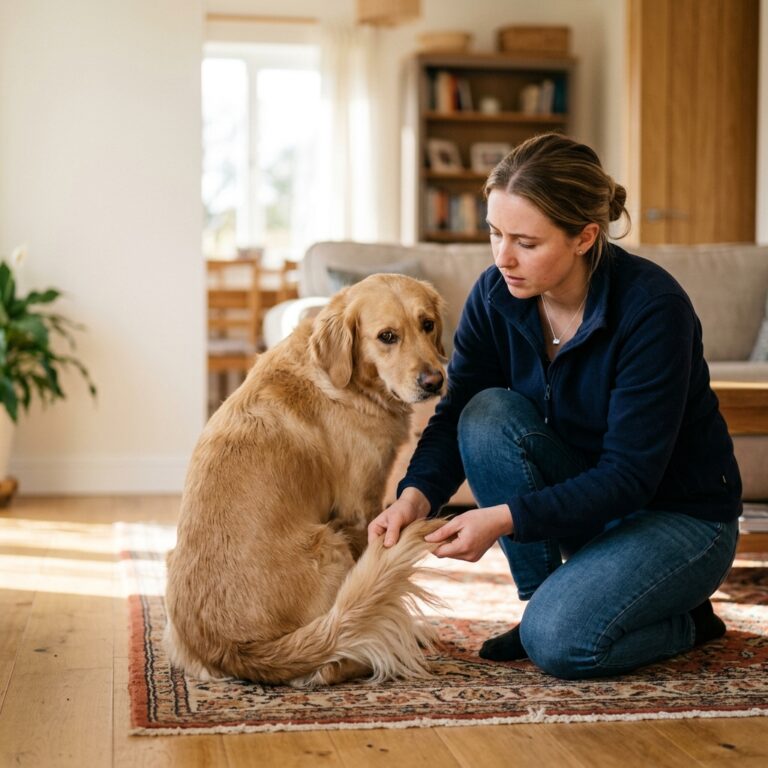
Grooming is about more than just looking good. Regular grooming sessions are an opportunity to check for skin issues, lumps, or parasites while keeping your dog comfortable. It strengthens the bond between you and serves as a regular home health exam.
- Brushing: Regular brushing removes loose fur, prevents matting, and distributes natural oils. The frequency depends on the coat type. A short-haired beagle might only need a weekly brush, while a fluffy doodle might require daily attention to prevent painful mats.
- Nail Trims: Overgrown nails can cause pain and affect your dog’s posture. Trim them regularly, being careful not to cut the quick. If you can hear their nails clicking on the floor, they are too long.
- Bathing: Bathe your dog only when necessary to avoid stripping their coat of natural oils. Use a shampoo formulated specifically for dogs, as human shampoo has the wrong pH and can irritate their skin.
Building a great life with your dog is a continuous process of learning and love. By focusing on these core areas of care, you are setting you and your furry friend up for years of happiness and companionship. There will be messy days and challenging moments, but the reward of a loyal, loving companion is worth every bit of effort.
Ready to dive deeper into your dog’s specific wellness needs? Explore our full range of articles and resources at Dog Wellness Hub to become the best pet parent you can be.
FAQs
How much exercise does my dog really need?
This varies greatly by breed, age, and health. A young Border Collie may need over an hour of vigorous activity, while a senior Pug might be happy with a couple of short walks. A good starting point is 30-60 minutes of varied activity per day.
What is the best way to potty train a puppy?
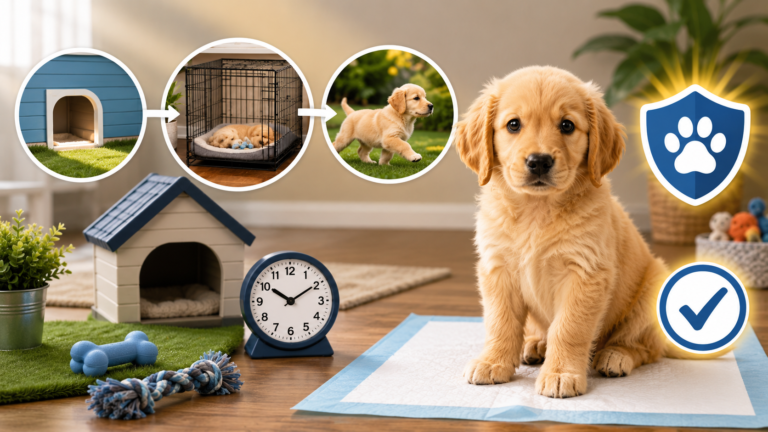
Consistency is key. Take your puppy out frequently—first thing in the morning, last thing at night, and after every meal, nap, and play session. Reward them with praise and a treat immediately after they go outside.
How do I know if my dog’s food is high-quality?
Read the ingredient list. The first ingredient should be a named meat source (e.g., deboned chicken). Avoid vague ingredients like “meat and bone meal” and look for an AAFCO statement on the bag, which ensures the food meets basic nutritional standards.
Disclaimer: The information provided in this article is for educational and informational purposes only and is not intended as veterinary or professional advice.
About The Author