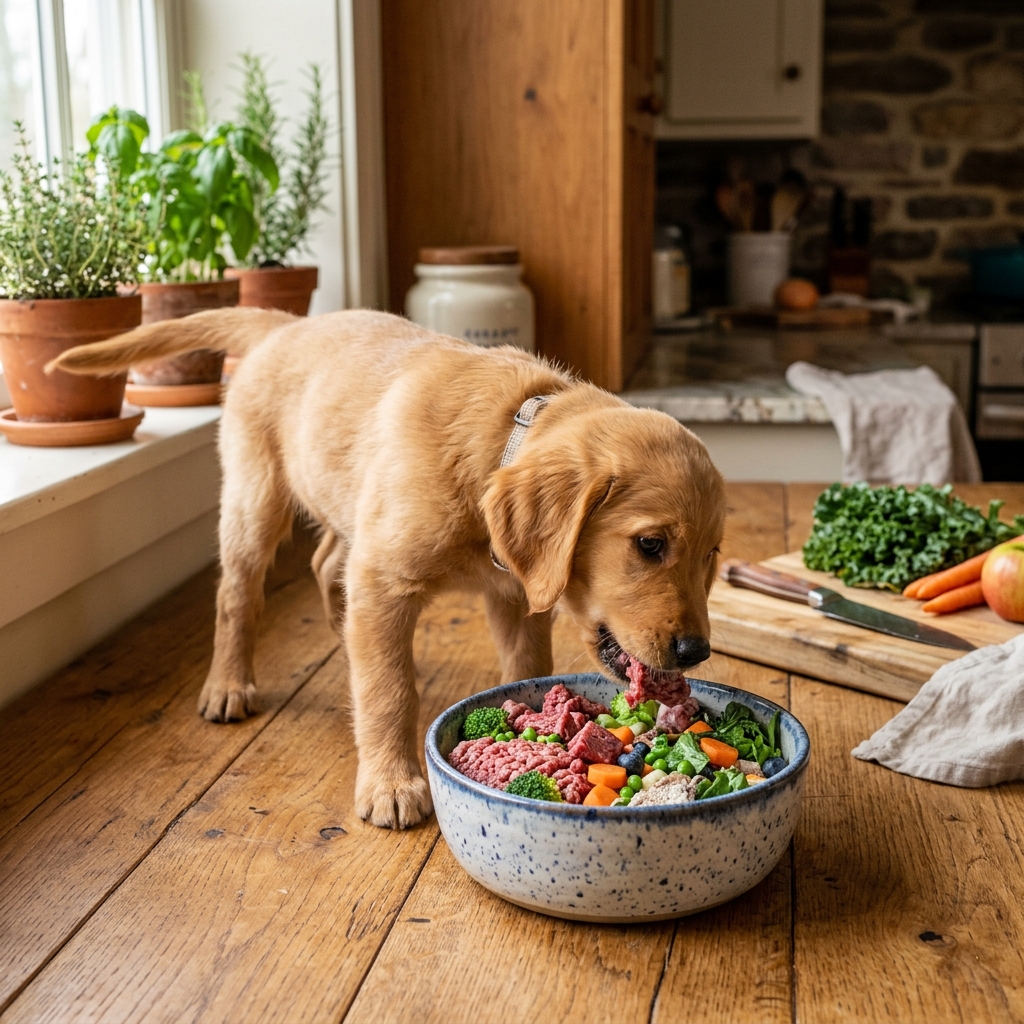
Feed Growing Puppy On Raw can be a thoughtful way to support healthy development, but it needs more than good intentions. Puppies grow fast, and their diet must be balanced, safe, and complete from the start. In this guide, you’ll learn how raw feeding works for puppies, what nutrients matter most, how to build meals carefully, and what mistakes to avoid.
Bringing home a puppy is such a fun time. One week they look tiny, and before you know it, they are growing right in front of you! Feeding them, though, can feel like a big responsibility, especially if you want to go the raw route. A lot of dog owners like raw feeding because it feels fresher and less processed. But puppies need more care than adult dogs when it comes to food. If their meals are not balanced properly, it can affect their growth, energy, and overall health.
So in this guide, we’ll keep things simple and honest. I’ll walk you through it step by step, share what actually matters, and help you feel more sure about the choices you make for your puppy.
Why Raw Feeding For Puppies Gets So Much Attention?
Many dog owners look into raw diets because they want more control over what goes into the bowl. Some say their puppies have shinier coats, smaller stools, and better appetite on raw meals. Others simply like feeding fresh food instead of packaged kibble.
A raw puppy diet often includes:
- Raw muscle meat
- Raw edible bone
- Organ meat
- A small amount of dog-safe extras, depending on the plan
- A carefully balanced nutrient profile
The important word here is balanced. A growing puppy cannot thrive on random chunks of meat alone. If you are wondering what to feed a growing puppy, the answer is not just “raw food.” The answer is a complete raw diet that meets puppy growth needs.
Can Puppies Safely Eat A Raw Diet?
Yes, some puppies can do well on a raw diet, but safety depends on how the diet is planned and handled. This is not a style of feeding where guessing works.
According to the FDA, raw pet food can carry bacteria like Salmonella and Listeria if handled poorly. That does not mean every raw-fed puppy gets sick, but it does mean hygiene matters every single day.
Basic Raw Feeding Safety Rules
- Wash your hands before and after handling raw food
- Clean bowls, counters, and prep tools well
- Store meat at safe temperatures
- Thaw food in the fridge, not on the counter
- Do not leave raw food out too long
- Talk to your vet if your puppy has health issues or a weak immune system
If you have small children, older adults, or anyone immunocompromised in the home, this is worth thinking through carefully.
What Growing Puppies Need Most From Their Diet?
Puppies need enough calories, protein, fat, vitamins, and minerals to support rapid growth. They also need the right calcium-to-phosphorus balance. That part is huge.
Too little calcium can hurt bone development. Too much can also cause problems, especially in large-breed puppies. The Merck Veterinary Manual and veterinary nutrition experts often stress that growth diets must be properly formulated, not improvised.
Key Nutrients For Healthy Growth
Protein
Protein supports muscles, tissues, and healthy development. Raw diets are often rich in animal protein, which is one reason people choose them.
Fat
Fat gives puppies energy and helps with brain development. Puppies burn through energy fast, so fat matters.
Calcium And Phosphorus
These minerals support bones and teeth. The ratio must stay in a healthy range. This is one of the biggest risks in poorly planned homemade raw diets.
DHA And Other Fatty Acids
These help with brain and eye development. Many owners who ask does feeding too much cause puppy to grow faster are really asking the wrong question. Faster is not better. Steady, well-supported growth is the goal.
Vitamins And Trace Minerals
Zinc, copper, vitamin D, iodine, and manganese all matter. Even if meals look fresh and high quality, they can still be incomplete.
How Much Raw Food Should A Growing Puppy Eat?
This is one of the most common questions, and for good reason. Puppies need more food per pound than adult dogs because they are building everything at once.
If you are searching how much to feed growing puppy, the short answer is that it depends on age, breed size, body condition, and the calorie density of the food. A tiny toy breed and a fast-growing large breed do not need the same approach.
A General Starting Point
Many raw feeders begin with a percentage of the puppy’s expected adult weight or current weight, then adjust as the puppy grows. But there is no one-size-fits-all number that works for every puppy.
A practical approach is to monitor:
- Body condition
- Energy levels
- Stool quality
- Growth rate
- Vet feedback during checkups
Signs You May Need To Adjust Portions
- Ribs are hard to feel: possibly too much food
- Puppy looks too lean and lacks energy: possibly too little
- Loose stools: portion or ingredient issue
- Rapid weight gain in large breeds: needs closer review
If you are asking how much food to feed a growing puppy, treat feeding guides as starting points, not fixed rules.
Why Large-Breed Puppies Need Extra Caution?
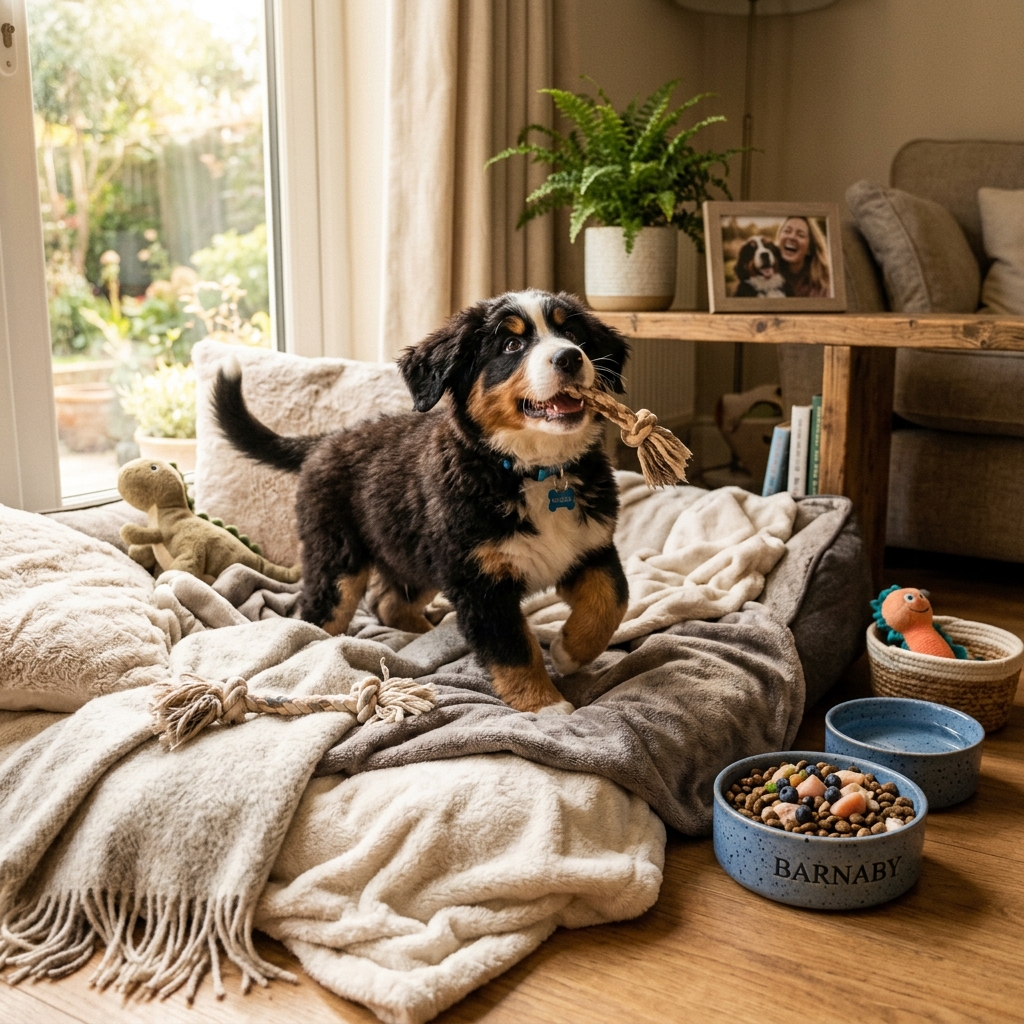
Large-breed puppies deserve special attention because they are more sensitive to nutritional mistakes. Overfeeding can push growth too fast. Poor mineral balance can affect joints and bones.
This is especially important for breeds like Labrador Retrievers, Golden Retrievers, German Shepherds, Rottweilers, and Great Danes.
Growth Should Be Steady, Not Fast
Some owners wonder if i feed my puppy more will he grow bigger. It usually does not work that way in a healthy sense. You may increase weight, but you do not improve proper skeletal development by overfeeding. In fact, too much food can create more stress on growing joints.
The American Veterinary Medical Association offers helpful pet health information and supports working with veterinary professionals when making major diet decisions.
For German Shepherd And Pit Bull Owners
If you are looking up how much to feed a growing german shepherd puppy or best food to feed growing pitbull puppy, remember this: breed matters, but balance matters more. These puppies need enough protein and calories, but not wild overfeeding. Lean, steady growth is healthier than trying to make a pup “bulk up” early.
What A Balanced Raw Puppy Meal Should Include?
A complete raw diet for puppies should not be built around meat alone. It should include all the parts needed for growth and be designed with nutrition in mind.
Common Components In A Raw Puppy Diet
- Muscle meat for protein and calories
- Edible bone for calcium and phosphorus
- Liver in small amounts for vitamin A and other nutrients
- Other organs for trace nutrients
- Optional add-ins if recommended by a veterinary nutritionist
Why DIY Raw Diets Can Go Wrong?
This is where many problems start. A homemade raw diet may look wholesome, but if it lacks key nutrients, the damage may not show right away. Puppies can seem fine for weeks or months before growth issues become clear.
That is why people searching how to feed puppy to grow large should pause and rethink the goal. Healthy development matters more than size. Good feeding supports the puppy’s natural growth pattern, not an exaggerated one.
Should You Feed More As The Puppy Grows?
Yes, usually, but not just by guessing or dumping more into the bowl. Growth changes calorie needs, but those needs shift with age.
Young puppies eat smaller meals more often. As they grow, meal frequency usually drops while portion size changes.
If you are asking should i feed my puppy more as she grows, the answer is often yes, but based on:
- Weight checks
- Breed size
- Activity
- Body condition
- Stage of development
Meal Frequency By Age
A simple pattern many owners follow:
- 8 to 12 weeks: 3 to 4 meals a day
- 3 to 6 months: 3 meals a day
- 6 months and older: 2 meals a day in many cases
This can vary by breed and individual puppy.
Common Mistakes To Avoid When Feeding Raw To Puppies
Raw feeding can go well, but there are a few mistakes that come up again and again.
- Feeding Too Much Bone
Too much bone can lead to constipation and throw off mineral balance.
- Feeding Only Meat
This is a major problem. Meat alone is not complete for a growing puppy.
- Ignoring Breed Size
Large-breed puppies should not be fed the same way as toy breeds.
- Overfeeding for Faster Growth
A lot of people ask do you feed more as the puppy grows and assume bigger portions always help. They do not. Growth should be controlled and healthy.
- Skipping Professional Guidance
If you want to feed raw long term, getting help from a veterinarian or board-certified veterinary nutritionist is one of the smartest steps you can take.
Raw Feeding And Growth Monitoring
Feeding is only half the job. The other half is watching how your puppy responds.
Keep an eye on:
- Weight gain over time
- Coat condition
- Energy and playfulness
- Stool consistency
- Teeth and gums
- Joint comfort and movement
A healthy puppy should look lively, alert, and lean rather than chunky. Puppies often look adorable with extra rolls, but too much weight is not harmless, especially in larger breeds.
If you are wondering does feeding your puppy more help their legs grow, it is better to think in terms of nutrition quality, not pushing growth. Bones and joints need proper balance, not extra pressure.
A Simple Transition Plan To Raw Feeding
If your puppy is currently eating kibble or another commercial food, switch gradually unless your vet suggests otherwise.
A Gentle Transition Can Look Like This
- Day 1 to 3: small amount of raw mixed with current food
- Day 4 to 6: increase raw portion
- Day 7 onward: move toward full raw if your puppy is doing well
Watch for:
- Digestive upset
- Vomiting
- Loose stool
- Refusal to eat
- Itching or signs of food sensitivity
Some puppies adjust quickly. Others need a slower pace.
Is Commercial Raw Better Than Homemade?
For many owners, commercial raw made for growth may be the safer option. It is often easier to portion and may be formulated to meet puppy nutrient standards.
Homemade raw can work, but only if it is built carefully. If you came across terms like eukanuba growing puppy feeding guide or eukanuba growing puppy large breed feeding guide while comparing options, that shows how common it is for puppy owners to rely on structured feeding standards. Raw feeding also needs that same level of planning. Fresh food does not remove the need for science.
Practical Tips For Everyday Raw Puppy Feeding
Here are a few habits that make life easier:
- Use a kitchen scale for accurate portions
- Keep a feeding journal for the first few months
- Take monthly body photos to track growth
- Schedule regular vet checkups
- Store raw meals in meal-sized portions
- Avoid changing proteins too quickly
- You can even create a simple growing puppy feeding station at home with a food scale, sanitizer, storage containers, and a feeding log. It sounds basic, but it helps a lot.
Final Thoughts on Feeding A Growing Puppy on Raw:
Raw feeding can be a good fit for some puppies, but it should never be treated casually. A growing body needs complete nutrition, safe food handling, and steady monitoring. If you choose this route, take the time to build a plan that supports your puppy’s health now and later.
The best diet is not the one that sounds trendy. It is the one that helps your puppy grow at the right pace, stay energetic, maintain a healthy body condition, and thrive day by day.
If you want to feed german shepherd puppy to grow large or support a strong, active pit bull, focus less on making your puppy bigger and more on helping your puppy grow well. That small shift in mindset makes a big difference.
FAQs
Is Raw Feeding Safe For All Puppies?
Not always. Some puppies do well on raw diets, but others may need a different approach. Safety depends on balance, hygiene, and the puppy’s health status.
Can I Feed My Puppy Raw Meat Only?
No. Raw meat alone does not provide complete nutrition for a growing puppy and can lead to deficiencies over time.
How Do I know IF My Puppy Is Eating Enough?
Check body condition, energy, stool quality, and growth during regular vet visits. Portion size should change as your puppy develops.
Should Large-Breed Puppies Eat A Raw Diet?
They can, but extra care is needed. Large-breed puppies are more sensitive to overfeeding and mineral imbalance.
Help Your Puppy Grow The Healthy Way
If you are planning to switch your puppy to raw, take it one smart step at a time. Learn the basics, track progress closely, and work with your veterinarian to make sure the diet is complete. A little extra care now can support stronger growth, better health, and more peace of mind later.
Disclaimer: The information provided in this article is for educational and informational purposes only and is not intended as veterinary or professional advice.
About The Author