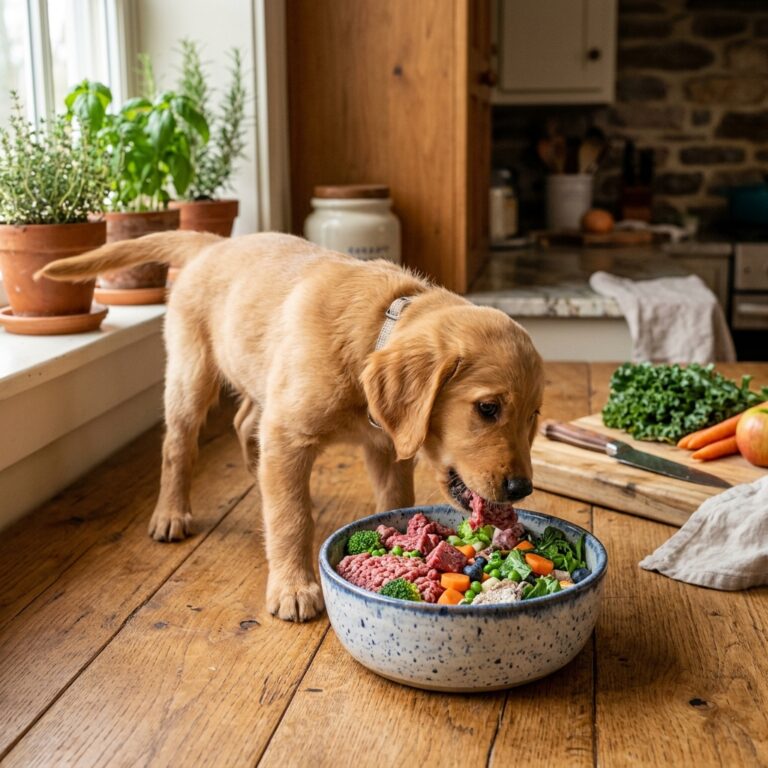
Walking down the pet food aisle can be confusing. There are hundreds of bags with pictures of wolves, farms, and happy dogs, all promising the best nutrition. The packaging is designed to appeal to our human emotions, making us feel like we are providing a wild, natural diet for our domesticated companions. Some say “grain-free,” others say “high protein,” and some claim to be just like the food you eat yourself.
It’s easy to feel overwhelmed. You want the best for your dog, but with so much conflicting advice, how do you know what’s actually right? One friend might swear by a raw diet, while your veterinarian recommends a specific science-backed kibble. The internet is full of passionate opinions that can make any choice feel like the wrong one.
The good news is that you don’t need a degree in animal science to make good choices. Understanding a few key basics about dog nutrition can help you cut through the marketing noise and pick a diet that helps your dog thrive. Let’s break down what actually goes into your dog’s bowl and why it matters. This knowledge will empower you to become a confident advocate for your dog’s health.
Understanding the Building Blocks of Nutrition
Just like humans, dogs need a balanced mix of nutrients to survive and stay healthy. These are often called macronutrients (protein, fat, carbohydrates) and micronutrients (vitamins, minerals). A dog’s diet isn’t just about filling their stomach; it’s about fueling their body for everything from a game of fetch to fighting off illness.
Protein: The Foundation
Protein is the most important part of a dog’s diet. It’s made up of amino acids, which are essential for countless bodily functions. It builds muscle, repairs tissue, and keeps the immune system strong. Without adequate protein, a dog can suffer from poor growth, muscle loss, and a weakened ability to recover from injury or sickness.
- Animal vs. Plant: Dogs generally digest animal protein (like chicken, beef, or fish) better than plant protein. This is because animal-based sources contain a complete profile of essential amino acids that dogs require. While dogs are omnivores and can get nutrients from plants, their systems are optimized for processing meat.
- Quality Matters: Look for named meat sources (e.g., “Chicken”) rather than generic terms like “Poultry meal” or “Meat by-product.” A named source like “deboned chicken” is clear and specific. A term like “meat and bone meal” is vague and could come from various, less desirable sources. High-quality protein is more digestible, meaning your dog’s body can absorb and use more of the nutrients.
Fats: Energy and Coat Health
Fat often gets a bad rap in human diets, but for dogs, it’s essential. It provides the most concentrated source of energy, offering more than twice the calories per gram compared to protein or carbohydrates. This is vital for active dogs and for simply fueling daily metabolic processes.
- Skin and Coat: Essential fatty acids like Omega-3 and Omega-6 keep your dog’s skin healthy and their fur shiny. A dull, flaky coat is often one of the first signs of a dietary fat deficiency. These fats help maintain the skin’s natural barrier, reducing dryness and itchiness.
- Brain Function: Good fats support cognitive health, especially in growing puppies and aging seniors. DHA, an Omega-3 fatty acid, is a major component of brain tissue and is crucial for proper neurological development in young dogs.
Carbohydrates: Fuel and Fiber
While dogs don’t need carbs in the same way they need protein, healthy carbohydrates provide quick energy and vital fiber for digestion. Carbs have been a subject of debate, but the key is the quality and type of carbohydrate used.
- Whole Grains: Brown rice, oats, and barley are excellent sources of energy. They are complex carbohydrates, which means they are digested slowly, providing a steady release of energy without spiking blood sugar. They also contain important nutrients like B vitamins.
- Vegetables: Sweet potatoes and peas offer vitamins and fiber without the crash that comes from simple sugars. The fiber in these ingredients helps promote regular bowel movements and supports a healthy gut microbiome, which is essential for overall immunity.
Decoding the Dog Food Label

The back of the bag tells the real story. The flashy marketing on the front is designed to sell; the information on the back is required by law. Learning to read the label is the single best skill you can learn as a pet owner. The ingredient list is arranged by weight, meaning the first ingredient is the most prominent one in the food before it is cooked.
The First Five Ingredients
The first five items listed make up the bulk of the recipe. They give you a strong indication of the food’s overall quality.
- Ideally, the very first ingredient should be a specific meat (like beef or salmon). This indicates that the primary component of the food is a quality animal protein.
- Avoid foods where the first ingredient is a filler like corn or wheat. While these ingredients aren’t necessarily bad, seeing them first means the food is less dense in the animal protein your dog needs most.
- Be wary if you see the same ingredient split into different names (like “peas,” “pea flour,” and “pea protein”) to make it look like there is less of it. This practice, called “ingredient splitting,” can push a less desirable ingredient further down the list, making a meat ingredient appear higher than it actually is by proportion.
Understanding “Complete and Balanced”
You might see a phrase on the bag that says the food is “complete and balanced.” This isn’t just marketing fluff. It means the food meets specific nutritional profiles established by the Association of American Feed Control Officials (AAFCO). This ensures the food has the right ratio of nutrients for your dog’s life stage (puppy, adult, or senior). An AAFCO statement is a sign of a responsible manufacturer.
For a deeper dive into how pet food is regulated and what safety standards are in place, you can check the FDA’s page on Pet Food.
Life Stages and Lifestyle
Not every dog needs the same food. Feeding a Chihuahua the same diet as a Great Dane, or a puppy the same food as a senior, can lead to health issues. Nutritional needs change dramatically throughout a dog’s life.
Puppy Nutrition
Puppies grow incredibly fast. In their first year, they go from helpless newborns to nearly full-grown adults. They need more calories, fat, and protein than adult dogs to support that growth.
- Calcium/Phosphorus Ratio: This balance is critical for bone development, especially in large breeds. Too much calcium can cause rapid bone growth, leading to skeletal problems like hip dysplasia later in life. Large-breed puppy formulas are specifically designed to manage this growth rate.
- Frequent Meals: Because their tummies are small, puppies usually need to eat 3 to 4 times a day. Their high energy needs and small stomach capacity mean they can’t get all their required calories in one or two large meals.
Adult Maintenance
Once a dog stops growing, typically between 1 and 2 years of age, the goal shifts to maintaining a healthy weight and overall well-being. This is the longest stage of a dog’s life.
- Portion Control: Following the bag’s guidelines is a start, but every dog’s metabolism is different. Watch their waistline and adjust as needed. You should be able to feel their ribs easily. If you can’t, they may be overweight.
- Activity Level: A working farm dog burns way more calories than a dog that naps on the couch all day. Their food intake should reflect that. A Border Collie herding sheep needs a calorie-dense performance formula, while a Basset Hound who prefers lounging needs a less-dense maintenance diet.
Senior Needs
As dogs age, they often become less active. Their metabolism slows down, making it easier to gain weight. This extra weight puts a strain on their bodies.
- Joint Support: Many senior foods include glucosamine to help stiff joints. Ingredients like chondroitin and omega-3 fatty acids can also reduce inflammation and support mobility.
- Lower Calories: Senior formulas often have fewer calories to prevent obesity, which is hard on aging joints. They also tend to have higher fiber to aid digestion and promote a feeling of fullness.
Common Feeding Mistakes to Avoid

Even with the best intentions, it’s easy to slip up. Here are a few common pitfalls to watch out for.
Free Feeding
Leaving a bowl of food out all day (free feeding) often leads to overeating. Dogs are opportunistic eaters; they will often eat just because the food is there. Scheduled meal times help you monitor exactly how much they are eating and if their appetite changes (which can be a sign of illness). It also creates a routine and can be a valuable training opportunity.
Too Many Treats
We all love spoiling our dogs, but treats add up fast. They are often high in calories and low in balanced nutrition, acting as “junk food” for our pets.
- The 10% Rule: Treats should never make up more than 10% of your dog’s daily calorie intake. For a small dog, this might mean just one or two small biscuits a day.
- Table Scraps: Human food is often too fatty or salty for dogs. It can lead to pancreatitis, a painful and serious inflammation of the pancreas. Some common foods, like grapes, onions, and chocolate, are actually toxic and can be fatal.
Switching Food Too Quickly
If you decide to change your dog’s food, do it slowly. A sudden switch can cause an upset stomach, vomiting, or diarrhea. Your dog’s digestive system gets used to processing one type of food, and it needs time to adjust to new ingredients and formulations.
- The Transition: Mix the new food with the old food over a period of 7 to 10 days, gradually increasing the amount of new food. A good schedule is 25% new food for a few days, then 50%, then 75%, and finally 100% new food.
Feeding for Health and Happiness
Nutrition is the cornerstone of health. The food you put in your dog’s bowl two or three times a day has a direct impact on their energy, their mood, and how many years they get to spend with you. A proper diet can prevent or manage diseases, improve coat quality, and give your dog the fuel it needs to live life to the fullest.
It doesn’t have to be complicated. By focusing on quality ingredients, appropriate portions, and the right life-stage formula, you are giving your dog the best possible foundation for a long, happy life.
At Dog Wellness Hub, we believe every dog deserves to feel their best. If you’re looking for more tips on keeping your pup healthy, explore our other guides on exercise and daily care. Your dog will thank you for it!
Frequently Asked Questions
1. Is grain-free food better for my dog?
Not necessarily. Unless your dog has a specifically diagnosed allergy to grains (which is actually quite rare), whole grains can be a healthy source of energy and fiber. In recent years, the FDA has investigated a potential link between certain grain-free diets (particularly those high in legumes) and a heart condition called dilated cardiomyopathy (DCM). Always consult your vet before switching to a grain-free diet.
2. How do I know if my dog is overweight?
You should be able to feel your dog’s ribs without pressing hard, but you shouldn’t see them clearly. When looking from above, your dog should have a visible waist (an “hourglass” shape). If they look like a sausage from above, it might be time to cut back on calories and increase exercise.
3. Can I feed my dog a homemade diet?
Yes, but it is very difficult to get the nutritional balance right on your own. If you want to cook for your dog, it is crucial to work with a veterinary nutritionist to ensure they aren’t missing vital nutrients like calcium or taurine. An unbalanced homemade diet can cause serious health problems over time.
4. Why does my dog eat grass?
There are many theories, ranging from an upset stomach to simply liking the taste. Occasional grass-eating is usually normal, but if your dog is frantically eating grass and vomiting frequently, you should see a vet. It could also be a sign of a nutritional deficiency or boredom.
5. What does “human-grade” dog food mean?
“Human-grade” means the ingredients and the final product are stored, handled, processed, and transported in a way that is legally suitable for human consumption. While it implies a higher standard of quality control, it doesn’t automatically mean the food is nutritionally superior for a dog. The formulation and balance of nutrients are still the most important factors.
Note: This article is for informational purposes only and does not replace professional veterinary advice.
About The Author