It’s 2:00 AM. The house is quiet, you’re fast asleep, and then—hack, hack, honk.
The sound of a dog coughing is unmistakable and usually alarming. You jolt awake, wondering if they are choking, sick, or just cleared their throat. Unlike us, our dogs can’t explain that they have a tickle in their throat or that their chest feels tight. As pet parents, we immediately go into detective mode. Is it just dust? Did they drink water too fast? Or is this the start of something serious like kennel cough or heart disease?
At Dog Wellness Hub, we believe the best way to care for your pet is through understanding. This guide will walk you through the reasons dogs cough, how to decode the specific sounds they make, and exactly what you need to do to get those tails wagging again.
Understanding the Cough: Decoding the Sound
Before you rush to the emergency vet, take a moment to really listen. Not all coughs sound the same. The pitch, duration, and “wetness” of the sound can give your veterinarian major clues about what is going on inside your dog’s body.
The “Honking” Goose Sound
If your dog sounds like a goose honking, this is often a classic sign of a collapsing trachea. This happens when the rigid cartilage rings that hold the windpipe open begin to weaken and flatten.
- Who gets it: It is especially common in small toy breeds like Yorkies, Pomeranians, or Chihuahuas.
- Triggers: You might notice this happens more when they get excited, pull on their leash during a walk, or drink water quickly.
The Wet, Gurgling Cough
A wet cough sounds moist, like there is fluid or phlegm bubbling in the chest. This is often a more concerning sound because it indicates fluid in the lungs or lower airways.
- Potential causes: This could signal pneumonia, bronchitis, or even congestive heart failure.
- What to watch for: If your dog is coughing up phlegm or struggling to catch their breath, this requires immediate attention.
The Dry, Hacking Cough
This is the most common type of cough dog owners encounter. It sounds harsh, dry, and forceful.
- The likely culprit: If it is persistent and repetitive, it is often linked to Kennel Cough (infectious tracheobronchitis).
- The appearance: It often sounds like your dog has a bone stuck in their throat and is trying to retch it up, but nothing comes out.
The High-Pitched Gag
Sometimes, what looks like a cough is actually a gag. This happens if something is physically stuck in the throat, or if the dog has a sore throat from tonsillitis. If your dog is making this noise and pawing at their mouth frantically, check for a foreign object immediately.
Common Causes: Why Is My Dog Coughing?
There are dozens of reasons a dog might start coughing. Some are minor irritations that pass in a day, while others are chronic conditions requiring lifelong management. Let’s break down the most frequent culprits.
1. Kennel Cough (Infectious Tracheobronchitis)
If your dog has recently been to a boarding facility, the groomer, doggy daycare, or a busy dog park, and suddenly develops a dry, hacking cough, this is the prime suspect.
Kennel cough is highly contagious. Think of it as the common cold for dogs. It spreads through airborne droplets when dogs bark or cough near each other.
- Symptoms: Dry cough, occasional sneezing, runny nose.
- Outlook: While it sounds terrible, most healthy dogs recover on their own with rest and hydration. However, in puppies or older dogs with weak immune systems, it can progress to pneumonia, so monitoring is key.
2. Tracheal Collapse
As mentioned earlier, this affects the windpipe structure. It is a progressive condition, meaning it often gets worse over time. If you have a small dog that starts honking after exercise, their trachea might be flattening out, making it hard to get air through efficiently.
Pro Tip: If your dog has been diagnosed with this condition, switch from a neck collar to a body harness immediately. This stops pressure from being applied directly to their throat during walks.
3. Heart Disease
This is the worry that keeps many owners up at night. In older dogs, a persistent cough can be a subtle sign of heart issues, specifically mitral valve disease or dilated cardiomyopathy.
When the heart isn’t pumping efficiently, fluid can back up into the lungs (pulmonary edema). This leads to a soft, continuous cough that often gets worse at night or when the dog is lying down.
- Red Flags: If your senior dog is coughing, seems lethargic, has a reduced appetite, or faints, a vet visit is necessary to check their heart function.
4. Foreign Objects
Dogs explore the world with their mouths. Sometimes, they inhale a grass seed (foxtail), a small toy part, or a piece of bone.
If your dog suddenly starts coughing violently, pawing at their mouth, or drooling excessively, they might have something lodged in their airway. This is a medical emergency. Do not wait—head to the vet.
5. Allergies and Environmental Irritants
Just like us, dogs can be sensitive to the air they breathe. Common triggers include:
- Cigarette smoke (secondhand smoke is harmful to pets)
- Perfume, hairspray, or strong air fresheners
- Pollen and dust
- Mold spores
If the coughing seems seasonal (like in spring) or happens only in certain rooms of the house, look for environmental triggers.
6. Parasites (Heartworm and Roundworm)
Heartworms and roundworms can migrate to the lungs, causing significant respiratory distress. This is why keeping up with your monthly preventative medication is so crucial. A mild, persistent cough combined with weight loss or intolerance to exercise can sometimes point to a parasitic infection.
7. Canine Influenza (Dog Flu)
Similar to the human flu, canine influenza causes coughing, fever, and lethargy. It is more severe than kennel cough and often requires veterinary support to manage symptoms and prevent secondary infections.
When Should You See a Vet?
It can be hard to know if you should wait it out or rush to the clinic. Occasional coughing—like when a dog drinks water too fast—is normal. However, you should seek professional help if you notice:
- Lethargy: Your dog doesn’t want to play, walk, or engage with the family.
- Difficulty Breathing: Look for rapid breathing, heaving sides, or if their gums look pale or blue (a sign of low oxygen).
- Production of Phlegm: Coughing up blood or yellow/green mucus suggests an infection.
- Duration: The cough lasts more than 24 hours without improvement.
- Other Symptoms: Fever, loss of appetite, vomiting, or nasal discharge.
According to the American Veterinary Medical Association (AVMA), prompt treatment of respiratory issues significantly improves the outcome, especially in contagious cases like canine influenza.
Diagnosis: What to Expect at the Clinic
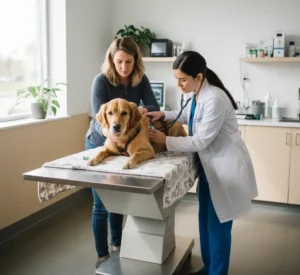
When you take your coughing dog to the vet, the appointment will usually start with a thorough physical exam. Your vet will listen to the heart and lungs with a stethoscope to check for heart murmurs, abnormal heart rhythms, or crackling sounds in the lungs.
Depending on what they hear and your dog’s history, they might recommend further testing:
- X-rays (Radiographs): This is often the first step. X-rays allow the vet to see the size of the heart, the condition of the lungs (checking for pneumonia or cancer), and the structure of the trachea.
- Blood Work: A Complete Blood Count (CBC) helps check for signs of infection (high white blood cell count) or internal organ issues.
- Fecal Test: To rule out intestinal parasites that migrate to the lungs.
- Heartworm Test: A quick blood test to ensure heartworms aren’t the underlying cause.
- Tracheal Wash: In severe cases, the vet may collect fluid from the trachea to analyze the specific bacteria present.
Treatment Options for a Coughing Dog
The treatment plan depends entirely on the root cause. Never give your dog human medication (like over-the-counter cough syrup) without explicit instructions from your vet. Many human medicines contain ingredients like xylitol or acetaminophen that are toxic to dogs.
Medical Treatments
- Antibiotics: Prescribed if the cause is bacterial, such as severe kennel cough, pneumonia, or bronchitis.
- Cough Suppressants: These are used for a dry, non-productive cough that is keeping the dog (and you) awake. They help break the cycle of irritation in the throat. Note: These are rarely used for wet coughs, as the dog needs to cough up the fluid.
- Anti-inflammatories (Steroids or NSAIDs): To reduce swelling in the throat or lungs, making it easier to breathe.
- Diuretics: These medications help remove excess fluid from the lungs if the dog is suffering from heart failure.
- Bronchodilators: Drugs that help open up the airways to improve airflow.
- Dewormers: If parasites are found to be the cause.
Home Care and Management: Helping Your Dog Feel Better
While medicine does the heavy lifting, your care at home is vital for a speedy recovery. Here are some simple, effective ways to comfort your coughing dog.
Humidify the Air
Dry air irritates an already sore throat and makes coughing worse. Running a humidifier in the room where your dog sleeps can add moisture to the air and soothe their airways.
Alternative Method: If you don’t have a humidifier, bring your dog into the bathroom with you while you run a hot shower. Keep the door closed and let them sit in the steamy room for 10-15 minutes. The steam helps loosen mucus.
Rest is Best
Limit exercise significantly. If your dog is coughing, running around will only increase their breathing rate and irritate their airways more. Keep walks short, slow, and purely for bathroom breaks until they recover.
Honey (With Caution)
Sometimes, a natural remedy can help. A teaspoon of honey can soothe a sore throat. The thickness coats the lining of the throat, reducing irritation.
- Warning: Ask your vet first, especially if your dog is diabetic or overweight, as honey is high in sugar. Never give honey to very young puppies.
Keep Them Hydrated
Make sure fresh water is always available. Hydration helps thin out the mucus in the respiratory tract, making it easier for the dog to cough it up and clear their lungs.
Switch to Soft Food
If swallowing hurts their throat, dry kibble might feel like sandpaper going down. Mixing in some warm water to soften the kibble or switching to canned food temporarily can help ensure they keep eating.
Remove Irritants
While your dog is recovering, avoid using strong cleaning chemicals, perfumes, or smoking around them. These airborne particles can trigger coughing fits.
Prevention: Keeping Your Dog Healthy
While you can’t prevent every illness, you can lower the risks significantly with proactive care.
- Vaccinations: Keep up to date with core vaccines (Distemper, Parvovirus) and consider the Bordetella vaccine (for kennel cough) if your dog socializes often at parks or boarding kennels.
- Heartworm Prevention: Give monthly preventatives year-round. Treating heartworm disease is difficult, expensive, and hard on the dog’s body—prevention is much easier.
- Weight Management: Overweight dogs have a harder time breathing and are more prone to tracheal collapse. Keeping them at a healthy weight reduces the strain on their lungs and heart.
- Avoid Smoke: Don’t smoke around your pets. Secondhand smoke is a major respiratory irritant and carcinogen for dogs.
Final Thoughts
Hearing your dog cough can be distressing, but in many cases, it is treatable. By paying close attention to the sound of the cough, the timing, and other symptoms, you can provide your vet with the critical information they need to get your best friend back on their paws.
Remember, you know your dog best. If their behavior changes, they seem “off,” or you feel something is wrong, trust your gut and make that appointment. It is always better to be safe and get a professional opinion.
Is your dog showing signs of respiratory distress? Don’t wait. Contact your local veterinarian today to ensure your pet lives a long, happy, and healthy life.
Frequently Asked Questions (FAQs)
Why is my dog coughing like something is stuck in his throat?
This hacking sound is often associated with kennel cough or a sore throat, but visually check their mouth to ensure there isn’t actually a foreign object lodged there.
Can dogs get a cold from humans?
Generally, no. The viruses that cause colds in humans are species-specific, though you can transfer germs via your hands, so washing hands is always good hygiene.
Why does my dog cough only at night?
Nighttime coughing is often linked to heart conditions or tracheal collapse because lying down causes fluid to pool in the lungs or shifts pressure on the windpipe.
Is a dry cough dangerous?
A dry cough is usually less immediately dangerous than a wet cough, but if it is persistent, it indicates an infection or irritation that needs veterinary attention.
How do I stop my dog from coughing?
You cannot simply “stop” the cough without treating the cause; using a humidifier helps, but you need a vet diagnosis to treat the root issue (infection, allergy, or heart problem).
Disclaimer: The information provided in this article is for educational and informational purposes only and is not intended as veterinary or professional advice. Always consult with a licensed veterinarian regarding your pet’s health.
About The Author