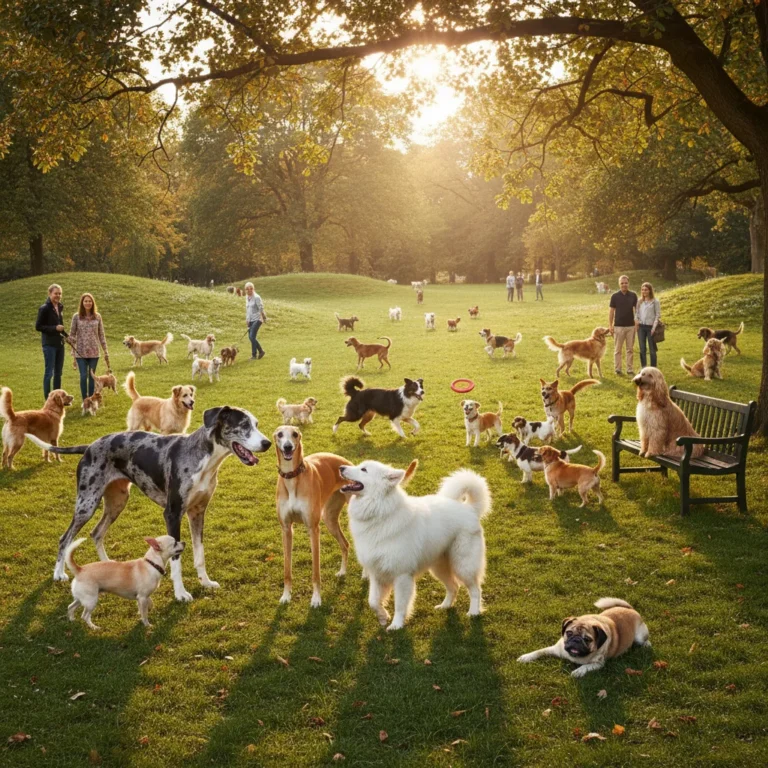
Choosing a new dog is one of the most exciting decisions you will ever make. It’s also one of the biggest commitments. You aren’t just picking a pet; you are choosing a roommate, a travel buddy, and a family member who will be with you for a decade or more. One of the first questions most prospective owners face is simple but tough: should I get a small dog or a large dog?
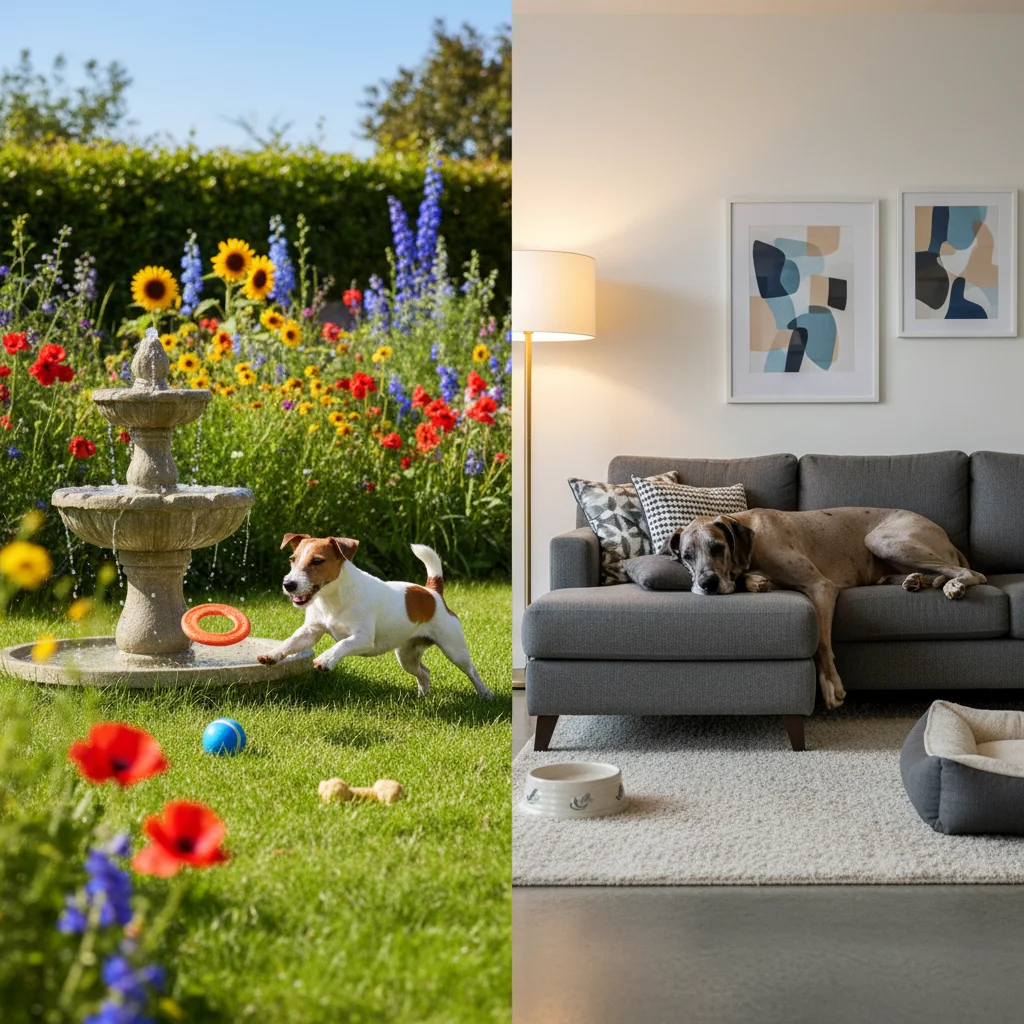
The answer isn’t just about how much space you have in your car or apartment. It goes much deeper. Your lifestyle, budget, activity level, and long-term plans all play a massive role in determining which size dog fits best into your world. A Great Dane might be perfect for a lazy apartment dweller, while a Jack Russell Terrier might need a huge backyard to burn off energy.
This guide will walk you through the real differences between small and large breeds—beyond just their height and weight—so you can make a choice you’ll be happy with for years to come.
The Big Difference: It’s Not Just About Size
When we talk about small versus large breeds, we often think about lap dogs versus guard dogs. But the reality is much more nuanced. Size impacts almost every aspect of dog ownership, from how you travel to how much you spend on food every month.
It helps to break this decision down into practical categories. We need to look at temperament, energy levels, health concerns, and the daily logistics of living with your new friend. Let’s dive into what makes each category unique.
The Appeal of Small Dog Breeds
Small dogs—often classified as anything under 22 pounds—have surged in popularity over the last two decades. It’s easy to see why. They are portable, often live longer, and can be easier to manage physically.
Pros of Small Dogs:
- Portability: You can easily take them in a carrier, on a plane, or just carry them if they get tired.
- Longer Lifespan: On average, smaller breeds like Chihuahuas or Toy Poodles live significantly longer than their giant counterparts.
- Lower Food Costs: A small dog eats a fraction of what a large dog consumes, which saves you money on high-quality dog food.
- Space Savers: They don’t take up the whole sofa or need a massive crate in the living room.
Cons of Small Dogs:
- Fragility: They can be easily injured by rough play, dropped objects, or larger animals.
- “Small Dog Syndrome”: Without proper training, they can become yappy or aggressive because bad behavior is often tolerated more in small cute dogs.
- High Energy: Don’t let the short legs fool you; many small breeds have intense energy bursts.
The Appeal of Large Dog Breeds
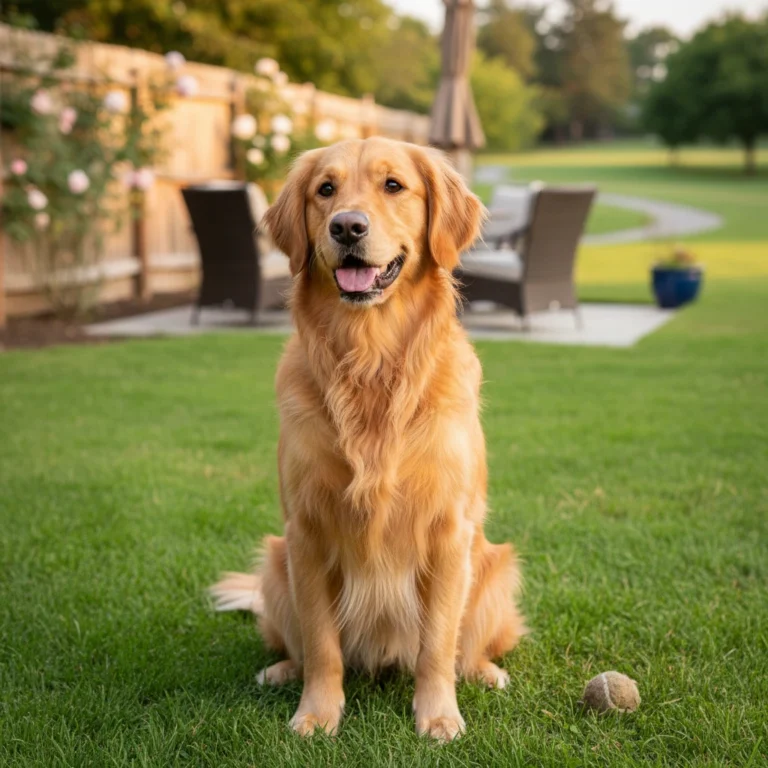
There is something undeniable about the bond with a large dog. Breeds like Golden Retrievers, German Shepherds, and Labradors are consistently among the most popular dogs worldwide for a reason. They often feel like robust, sturdy companions ready for any adventure.
Pros of Large Dogs:
- Durability: They can handle rougher play, long hikes, and active outdoor lifestyles without tiring as quickly as some toy breeds.
- Protection: Even a friendly large dog offers a visual deterrent that adds a sense of security to a home.
- Trainability: Many large working breeds are eager to please and highly trainable, making them great for obedience and sports.
- Calmness: Many large breeds, once past the puppy stage, are actually quite mellow indoors.
Cons of Large Dogs:
- Shorter Lifespan: Tragically, larger dogs tend to have shorter lives, often aging faster than small breeds.
- Higher Costs: Everything costs more, from food and preventative heartworm medication to boarding fees and crate sizes.
- Physical Strength: If a 15-pound dog pulls on the leash, it’s annoying. If an 80-pound dog pulls, it’s a safety hazard.
Lifestyle Compatibility: Matching the Dog to Your Day
The most critical factor in your decision shouldn’t be what the dog looks like, but how the dog lives. You need to be honest about your daily routine.
Apartment Living vs. House with a Yard
It is a common myth that you can’t have a big dog in an apartment. You absolutely can, provided you give them enough exercise. However, logistics matter.
If you live on the fourth floor of a walk-up, carrying a 12-pound Pug upstairs when they are sick or elderly is manageable. Carrying an 80-pound Labrador is nearly impossible. Small dogs generally adapt better to limited square footage simply because they can turn around easily in a narrow hallway and get a decent workout just playing fetch in the living room.
Large dogs in small spaces require dedication. You become their only outlet for exercise. If you have a fenced yard, a large dog can burn off some steam independently, but they still need interaction.
Activity Levels: Hiking Buddy or Couch Potato?
Do not assume size equals energy.
- The Lazy Giant: A Greyhound or a Mastiff might be perfectly happy sleeping on the rug for 18 hours a day.
- The Hyper Tiny: A Terrier or a Min Pin might need hours of engagement to keep from destroying your shoes.
If you are a marathon runner looking for a partner, a medium-to-large breed with endurance (like a Vizsla or Pointer) is ideal. If you want a dog to potter around the garden with, a smaller companion breed might be better.
Traveling with Your Dog
Do you travel often? If you want to bring your dog into the cabin of an airplane, your choice is made for you: you need a small dog. Most airlines have strict weight limits for in-cabin pets.
Large dogs must travel in the cargo hold or stay behind at a boarding facility. If you love road trips, a large dog takes up significant space in the car—sometimes an entire back seat or cargo area—whereas a small dog crate fits easily on a seat.
The Cost Factor: Budgeting for Your Best Friend
Money isn’t the most romantic part of getting a dog, but it is a responsible thing to consider. The difference in cost between owning a 10-pound dog and a 90-pound dog over a lifetime is thousands of dollars.
Where Large Dogs Cost More:
- Food: This is the most obvious daily expense. A large dog can eat 4-5 times as much as a small one.
- Veterinary Care: Many medications, including anesthesia, antibiotics, and flea/tick preventatives, are priced by weight. A monthly preventative pill for a Great Dane costs significantly more than one for a Chihuahua.
- Gear: Bigger beds, bigger crates, heavy-duty leashes, and larger toys all come with a higher price tag.
- Grooming: If you use a professional groomer, you will almost always pay more for a large dog due to the time and effort required.
If your budget is tight, a small dog provides the companionship you crave without the heavy financial strain of “giant breed” pricing.
Training and Behavior
Training is essential for every dog, regardless of size. However, the stakes feel different depending on the weight of the animal.
The “Small Dog” Pass
We often let small dogs get away with behaviors we would never tolerate in a big dog. If a Chihuahua jumps on your leg, it’s cute or annoying. If a Rottweiler does it, it’s dangerous. This inconsistency leads to “Small Dog Syndrome,” where the dog becomes bossy or fearful because they haven’t been given boundaries.
If you get a small dog, you must commit to training them just as seriously as a large dog. They need to learn “sit,” “stay,” and polite greeting behaviors.
Managing a Large Dog
With large breeds, physical control is a real issue. You cannot out-muscle a powerful dog that decides to chase a squirrel. Training for large dogs must focus heavily on leash manners and recall. You need to establish verbal control because physical control isn’t always a guarantee.
Socialization is also crucial. A poorly socialized large dog can be intimidating to strangers and other dogs, making walks stressful.
Health and Longevity
This is often the hardest part of the conversation. Biology dictates that small dogs generally live longer than large dogs.
According to veterinary data, small breeds often live into their mid-to-late teens. It is not uncommon for a Toy Poodle to reach 16 or 17 years old. Large and giant breeds, sadly, have shorter clocks. A Great Dane or Bernese Mountain Dog might be considered a senior at 6 or 7 years old, with life expectancies often ranging from 8 to 10 years.
Common Health Issues:
- Small Dogs: Prone to dental disease (too many teeth in a small mouth), collapsing trachea, and luxating patellas (kneecaps popping out).
- Large Dogs: Prone to hip and elbow dysplasia, arthritis, and bloat (a life-threatening stomach condition).
For more detailed information on pet health statistics and breed-specific concerns, you can visit the National Library of Medicine (PubMed) or similar government resources to read veterinary studies.
Families and Children: Which Size is Safer?
If you have kids, safety is priority number one. Both sizes have pros and cons regarding children.
Small Dogs with Kids:
The risk here is often to the dog, not the child. Toddlers can easily hurt a fragile puppy by falling on them or squeezing too hard. Additionally, some small dogs can be snappy if they feel threatened or overwhelmed by loud, fast-moving children.
Large Dogs with Kids:
Large breeds like Golden Retrievers are famous for being patient “nanny dogs.” They are sturdy enough to handle a clumsy toddler hug. However, a large, exuberant puppy can easily knock a child over by accident. The tail of a happy Lab is exactly at the height of a toddler’s face.
Generally, medium-to-large dogs are often recommended for families with young children because of their sturdiness, provided the dog has a gentle temperament.
Summary: A Quick Comparison Checklist
Still on the fence? Use this checklist to see where you lean.
Choose a SMALL DOG if:
- You live in a strict apartment setting with weight limits.
- You want to travel with your dog in the cabin of a plane.
- You are on a tighter budget for food and medical care.
- You want a companion who will likely be with you for 15+ years.
- You want a dog that is physically easy to manage on a leash.
Choose a LARGE DOG if:
- You enjoy active, rugged outdoor activities like long trail runs.
- You want a dog that provides a sense of physical security.
- You don’t mind higher monthly expenses.
- You have the time and patience for rigorous obedience training.
- You love the feeling of a substantial, “whole body” hug from your pet.
Making the Final Call
There is no universal “better” option between small and large dog breeds. There is only the option that is better for you.
Don’t choose a Husky because they look beautiful if you live in a hot climate and work 10 hours a day. Don’t choose a French Bulldog if you want a marathon running partner. Be honest about your lifestyle, your finances, and your ability to train and exercise a pet.
Remember, shelters are full of both small and large dogs looking for homes. Once you decide on a size, consider adopting. Whether you bring home a 5-pound bundle of joy or a 70-pound goofball, the love they give you will be immeasurable.
Frequently Asked Questions (FAQ)
Q: Are small dogs easier to potty train than large dogs?
A: Actually, small dogs can be harder to potty train. They have smaller bladders and need to go out more frequently. Also, because their accidents are smaller and easier to clean up, owners sometimes aren’t as rigorous with training, which delays the process.
Q: Do large dogs need a backyard?
A: Not necessarily. While a yard helps, many large dogs do well in apartments as long as they get dedicated walks and exercise every day. Mental stimulation is just as important as physical space.
Q: Which dogs bark more, small or large?
A: Generally, small dogs have a reputation for barking more (often called “alert barking”). Large dogs tend to bark less frequently, but their bark is much louder and deeper when they do.
Q: Is it true that mixed breeds are healthier than purebreds?
A: Mixed breeds often benefit from a wider gene pool, which can reduce the risk of certain genetic disorders common in specific purebreds. However, every dog is an individual, and health depends on care, diet, and genetics.
Ready to find your perfect match?
Whether you’re team “Tiny” or team “Giant,” the most important step is ensuring your future pet stays happy and healthy. Explore our other guides on nutrition and training at Dog Wellness Hub to prepare for your new family member’s arrival!
Disclaimer: The information provided in this article is for educational and informational purposes only and is not intended as veterinary or professional advice.
About The Author