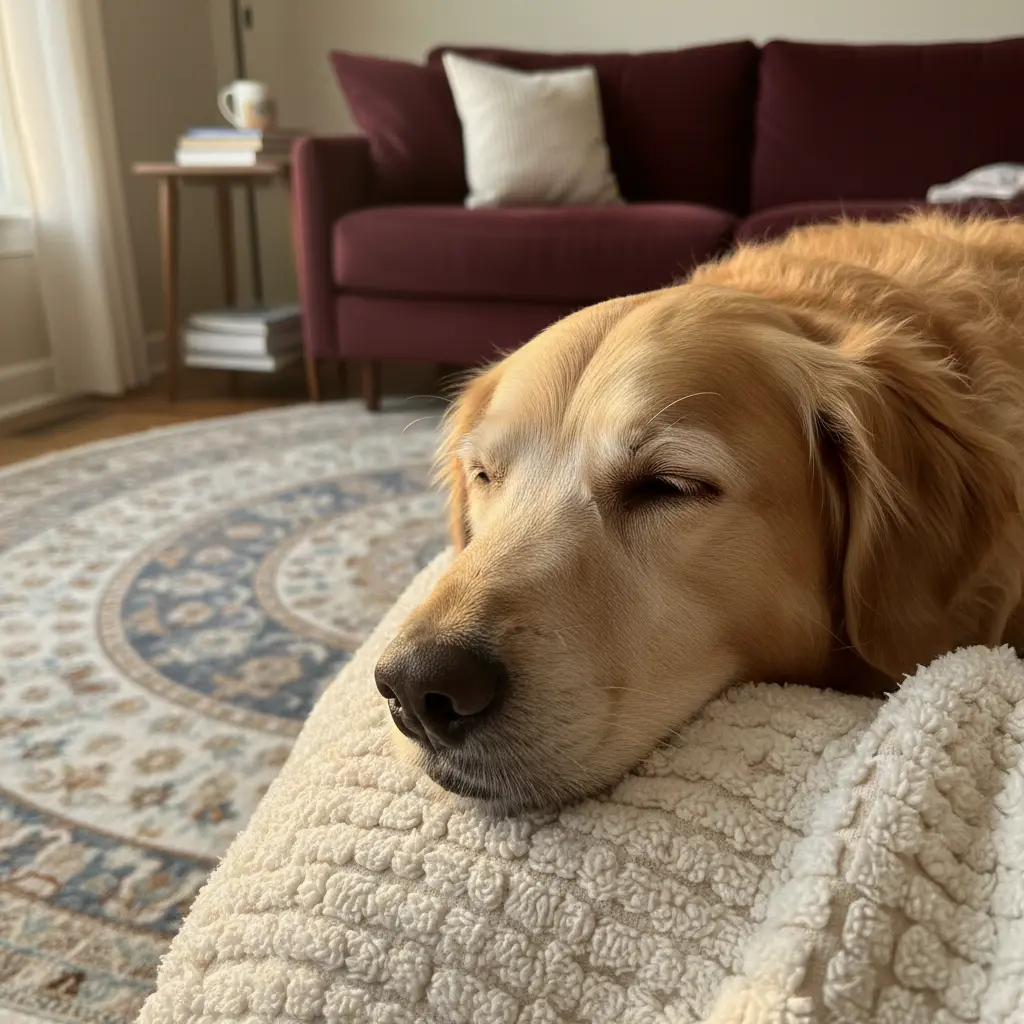
Watching a beloved dog age is hard enough, but when a chronic illness like Cushing’s disease enters the picture, it brings a unique set of worries. You might find yourself constantly analyzing your dog’s behavior, wondering if a new symptom is just a bad day or a sign that things are progressing.
If you are reading this, you are likely caring for a senior dog or a pup who has been battling Cushing’s for some time. You probably have questions that feel scary to ask. What do the final stages look like? How will I know when it’s time?
This guide is here to walk you through what to expect in the later stages of Cushing’s disease (hyperadrenocorticism). We will break down the progression, the symptoms to watch for, and how to keep your furry friend comfortable until the very end.
Understanding Cushing’s Disease Progression
Before we talk about the end stages, it helps to remember what is happening inside your dog’s body. Cushing’s disease occurs when the adrenal glands produce too much cortisol. Cortisol is a stress hormone that helps dogs respond to danger, control weight, fight infections, and keep blood sugar levels in check.
However, too much cortisol is toxic over time. It weakens the immune system and damages organs.
Most dogs with Cushing’s can live happy lives for years with medication like Vetoryl (trilostane) or Lysodren (mitotane). But because this is a progressive condition, management often becomes harder as time goes on. The “final stages” usually refer to when the disease stops responding well to medication, or when the toll on the body leads to other serious health complications.
Signs That Cushing’s Disease is Advancing
The transition from “managed” to “advanced” Cushing’s isn’t always a sudden cliff; it’s often a slow slide. You might notice that symptoms you thought were under control start creeping back, or new, more concerning issues appear.
Here are the primary indicators that the disease is reaching its final stages.
1. Uncontrollable Thirst and Urination
In the early days, you might have filled the water bowl a bit more often. In the final stages, the thirst can become obsessive. This is known as polydipsia. Your dog might drink until they vomit or whine at the bowl constantly. Consequently, accidents in the house—even in fully house-trained dogs—become frequent because their bladder simply cannot hold the volume of water they are consuming.
2. Severe Muscle Wasting and Weakness
Cortisol breaks down muscle over time. In the late stages, this becomes very visible.
- The Pot-Belly Appearance: This is the classic Cushing’s look. The abdominal muscles weaken, causing the stomach to sag and look distended.
- Leg Weakness: You might notice your dog struggling to get up from a nap, slipping on hardwood floors, or refusing to climb stairs. Their legs may look surprisingly thin compared to their round body.
- Exercise Intolerance: A walk around the block becomes a walk to the mailbox, and eventually, just a few steps in the yard is exhausting.
3. Skin and Coat Deterioration
The skin becomes incredibly fragile. In advanced stages, the skin may become so thin that it looks like tissue paper. You might see:
- Chronic skin infections (pyoderma) that won’t heal.
- Calcium deposits under the skin (calcinosis cutis), which feel like hard, crusty lumps.
- Hair loss that doesn’t grow back, leaving large bald patches on the flanks and tail.
- Bruising easily from minor bumps.
4. Excessive Panting
Panting is a normal dog behavior, but Cushing’s panting is different. It is heavy, constant, and often happens when the dog is at rest or in a cool room. This puts a significant strain on their heart and lungs.
5. Neurological Signs (If a Pituitary Tumor is the Cause)
About 80-85% of Cushing’s cases are caused by a benign tumor on the pituitary gland. While usually small, these tumors can sometimes grow large enough to press on the brain. This is called a Macroadenoma.
- Seizures: Sudden onset of seizures in an older dog with Cushing’s is a red flag.
- Behavioral Changes: Confusion, pacing, getting stuck in corners, or “star gazing.”
- Loss of Appetite: Unlike the insatiable hunger typical of early Cushing’s, neurological pressure can make them stop eating.
Complications That Define the End Stage
Often, it isn’t the Cushing’s disease itself that becomes fatal, but the secondary conditions it creates. The excess cortisol wreaks havoc on other organ systems.
Diabetes Mellitus
Cushing’s causes insulin resistance. Many dogs develop diabetes as a secondary condition. Managing both diseases simultaneously is very difficult. If the diabetes becomes unregulated despite insulin shots, the dog’s quality of life can decline rapidly.
High Blood Pressure (Hypertension)
Chronic high blood pressure can lead to sudden blindness due to detached retinas, or it can cause kidney damage and strokes. If your dog suddenly seems disoriented or bumps into furniture, immediate vet attention is needed.
Pulmonary Thromboembolism (Blood Clots)
This is perhaps the most frightening complication. Dogs with Cushing’s are prone to developing blood clots. If a clot travels to the lungs (pulmonary embolism), it causes sudden, severe respiratory distress. The dog will gasp for air and may have blue-tinged gums. This is a medical emergency and often fatal.
Kidney and Liver Failure
The liver often enlarges due to Cushing’s (hepatomegaly), and the kidneys work overtime dealing with the excess water intake and urination. Eventually, these organs may begin to shut down.
Assessing Quality of Life
Knowing the medical symptoms is one thing, but knowing how your dog feels is another. When dealing with the final stages of a chronic illness, veterinarians often recommend using a “Quality of Life” scale.
Ask yourself these difficult but necessary questions:
- Hurt: Is my dog in pain? Are they panting due to distress?
- Hunger/Hydration: are they eating? Are they drinking so much they are constantly sick?
- Hygiene: Can they keep themselves clean? Do they lie in their own urine because they are too weak to stand?
- Happiness: Do they still greet me? Do they enjoy their favorite toy or a gentle head scratch? Or do they seem withdrawn and depressed?
- Mobility: Can they move around on their own?
If the bad days are consistently outnumbering the good days, it may be time to have a compassionate conversation with your veterinarian.
Caring for a Dog in the Final Stages
If you and your vet determine that your dog can still be comfortable at home for a while, your focus shifts from “curing” to “comfort care” (palliative care).
Here is how you can make their final weeks or months easier:
- Modify Your Home: Put down non-slip yoga mats or rugs over slick floors to help them stand. Use ramps for furniture or stairs.
- Skin Care: Be very gentle when brushing or petting. Use veterinarian-approved moisturizing shampoos or mousses to soothe dry, thin skin. Check for sores daily.
- Manage Incontinence: Use doggie diapers or belly bands to keep your home clean, but change them frequently to prevent urine scald on their skin. Place waterproof pads on their bedding.
- Dietary Adjustments: Your vet might suggest a diet that is easier on the liver and kidneys. If their appetite is fading, warming up their food or adding a little low-sodium broth can encourage them to eat.
- Strict Medication Schedule: Even in late stages, stopping medication abruptly can cause an Addisonian crisis (where cortisol drops too low), which is dangerous. Follow your vet’s instructions precisely.
When Is It Time to Say Goodbye?
This is the question every dog owner dreads. With Cushing’s, the end usually comes in one of two ways: either a sudden catastrophic event (like a blood clot or rupture) or a gradual decline where the dog simply fades away.
If your dog is experiencing severe difficulty breathing, uncontrollable seizures, or can no longer stand up to relieve themselves, these are strong indicators that their body is tired.
It is a final act of love to prevent suffering. Your veterinarian can guide you through the process of euthanasia, ensuring it is peaceful and pain-free.
Frequently Asked Questions (FAQs)
Q: Can a dog die suddenly from Cushing’s disease?
A: Yes, though it is less common than a slow decline. Sudden death can occur due to a pulmonary embolism (blood clot in the lungs) or a rupture of an adrenal tumor.
Q: Is the final stage of Cushing’s painful?
A: Cushing’s itself isn’t necessarily “painful” in the same way arthritis is, but it is very uncomfortable. The weakness, full bladder, skin infections, and constant panting cause significant physical stress and discomfort.
Q: How long can a dog live with Cushing’s?
A: The average survival time after diagnosis is about 2 to 3 years, though this depends heavily on the dog’s age at diagnosis and how well they respond to medication. Some dogs live much longer with good management.
Q: Should I stop Vetoryl in the final stages?
A: Never stop medication without consulting your vet. Stopping Vetoryl can cause a sudden, life-threatening drop in cortisol. Your vet will advise you on how to taper or adjust meds during end-of-life care.
Conclusion
Caring for a dog with advanced Cushing’s disease is a labor of love. It requires patience, observation, and a deep bond with your pet. While the symptoms of the final stages can be difficult to witness, knowing what to expect allows you to prepare and provide the best possible comfort for your faithful companion.
Focus on the small moments—the gentle tail wags, the naps in the sun, and the quiet evenings together. You are their advocate, and by staying informed, you ensure that their final chapter is filled with as much dignity and love as possible.
For more detailed information on animal health and diseases, you can reference the National Institutes of Health (NIH) National Library of Medicine.
Disclaimer: The information provided in this article is for educational and informational purposes only and is not intended as veterinary or professional advice.
About The Author