Caring for our dogs means making thoughtful decisions about even the smallest parts of their lives. From the type of kibble we pour to the bed they sleep on, every choice feels like a way to say “I love you.” One topic many pet owners find themselves debating is the use of elevated dog bowls. You’ve likely seen these raised feeders in pet stores or on social media, looking sleek and modern. But it begs the question—are they actually better for your canine companion, or are they just a stylish trend?
In this complete guide, we are going to take a closer look at elevated dog bowls. We will explore what they are, the potential benefits and drawbacks, and which pups might actually need them. By the end, you’ll have the information you need to decide if a change in dining altitude is right for your best friend.
What Are Elevated Dog Bowls?
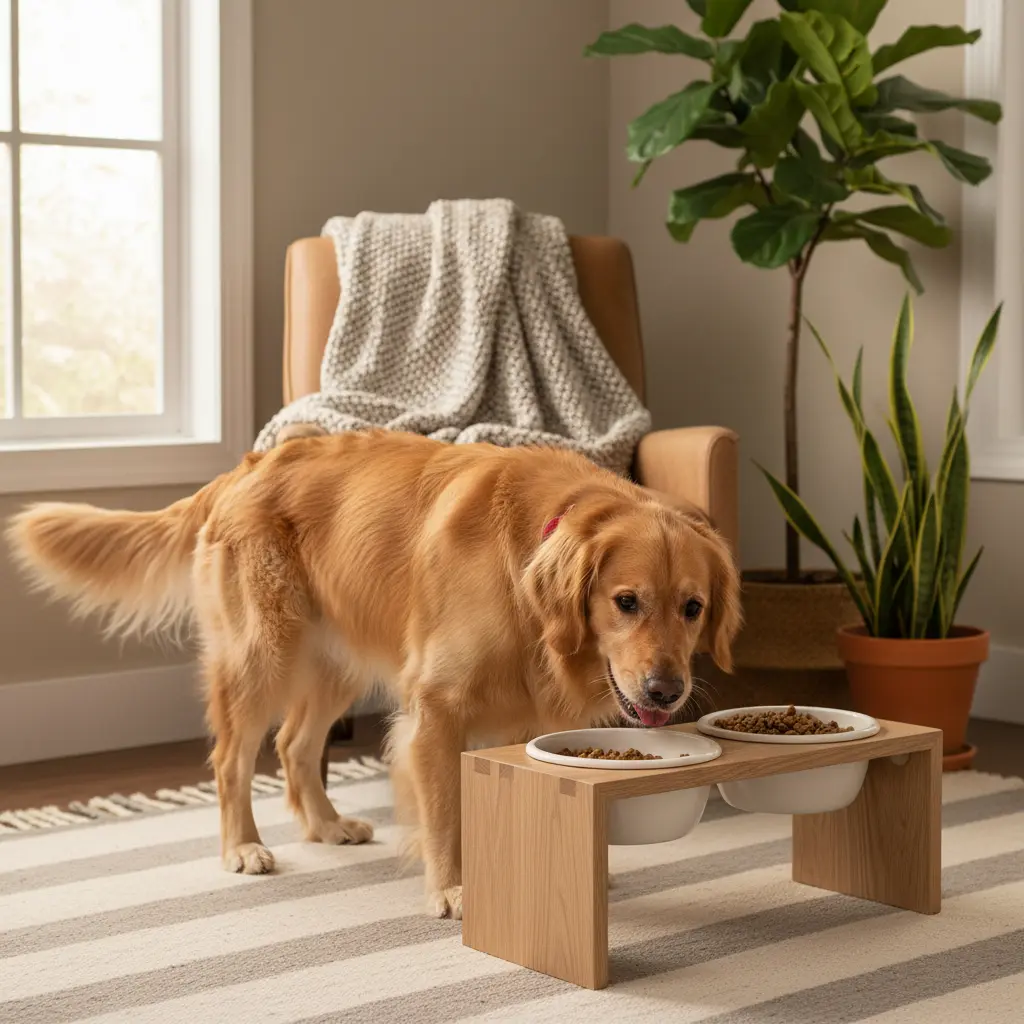
An elevated dog bowl is simply a food or water bowl that is placed above floor level on some type of stand or holder. These stands can be made of wood, metal, acrylic, or sturdy plastic, and they come in a variety of heights to fit dogs of all sizes.
The basic concept is straightforward: the goal is to bring your dog’s food or water up to a level where your pet doesn’t need to lean, crouch, or stretch as much to eat or drink. While a standard bowl sits directly on the floor, forcing a tall dog to lower their head past their shoulders, an elevated bowl meets them halfway.
The Possible Benefits of Elevated Dog Bowls
Pet parents and some veterinarians have noticed several ways raised bowls might help dogs. While they aren’t a magical cure-all, for the right dog, they can make a significant difference in comfort.
Easier Eating for Specific Dogs
The primary argument for raised feeders is ergonomics. Just as we adjust our office chairs to avoid back pain, changing the height of a food bowl can impact a dog’s posture.
- Large and Giant Breeds: Imagine if you had to eat your dinner off a plate placed on the floor while standing up. It would be uncomfortable, right? For tall breeds like Great Danes, Mastiffs, or even tall Labradors, eating from the ground requires them to splay their legs or arch their backs. A raised feeder takes this pressure off their necks, shoulders, and joints.
- Senior Dogs: As dogs age, they often develop arthritis or general stiffness in their joints. Bending down low can be physically painful for a senior pup. Lifting the bowl helps them reach their meal without straining their neck or spine, making mealtime a more pleasant experience.
- Dogs with Mobility Issues: Dogs recovering from surgery, or those with spinal conditions like Intervertebral Disc Disease (IVDD), often struggle with lowering their heads. An elevated bowl can be a crucial part of their pain management plan.
Support for Medical Conditions
There are specific medical scenarios where a vet might actually prescribe a raised feeder.
- Megaesophagus: This is a condition where the esophagus (the tube connecting the throat to the stomach) is enlarged and loses its ability to push food down effectively. Gravity becomes the dog’s best friend here. Eating from a raised position helps food slide down into the stomach more easily, reducing the risk of regurgitation.
- Swallowing Difficulties: Some dogs with neurological issues or structural problems in the throat find it easier to swallow when their head is kept level with their body rather than lowered.
A Tidier Mealtime
Let’s be honest—dogs aren’t known for their table manners. Elevated bowls can offer some practical benefits for the humans cleaning up after them.
- Fewer Spills: When a bowl is on the floor, enthusiastic eaters often chase it around the room, sloshing water everywhere. A heavy, raised stand keeps the bowls stationary.
- Cleaner Food and Water: Bowls placed directly on the floor are magnets for hair, dust bunnies, and dirt. Raising them up even a few inches can keep the contents cleaner.
- Discouraging Pests: In homes where ants or other insects are a problem, an elevated bowl can make it slightly harder for crawling bugs to get into your dog’s dinner.
Are There Any Risks or Downsides?

While the benefits sound great, it is crucial to look at the other side of the coin. Elevated bowls are not risk-free, and for some dogs, they might actually be harmful.
The Bloat Debate
This is the most critical section of this guide. There is an ongoing, serious conversation among veterinarians and researchers about bloat, medically known as Gastric Dilatation-Volvulus (GDV).
Bloat is a life-threatening condition where a dog’s stomach fills with gas and then twists on itself, cutting off blood flow. It requires immediate emergency surgery. It primarily affects large, deep-chested breeds like German Shepherds, Great Danes, and Standard Poodles.
- The Old Theory: Decades ago, it was commonly believed that elevated bowls prevented bloat by allowing dogs to swallow less air while eating.
- The Current Understanding: More recent veterinary studies have challenged this. A notable study found some evidence suggesting that using a raised bowl could actually increase the risk of bloat in large and giant breeds. The theory is that the speed of eating or the angle of the esophagus might contribute to the issue.
However, the science is not completely settled. Experts agree that bloat is multifactorial—caused by genetics, eating too fast, stress, and exercise around mealtimes. Because of this uncertainty, if you have a breed prone to bloat, you should always consult your veterinarian before switching to a raised feeder. They can give you advice based on your dog’s specific risk factors.
Picking the Wrong Height
A raised bowl is a tool, and like any tool, it needs to be sized correctly. If a bowl is too high, your dog might have to reach up, which can cause awkward swallowing or neck strain. If it is too low, you lose the ergonomic benefits.
A good rule of thumb for finding the right height:
- Have your dog stand comfortably.
- Measure from the floor to the top of their shoulders.
- Subtract about 6 inches for large dogs (and about 3-4 inches for smaller dogs).
- The result is the approximate ideal height for the rim of the bowl.
Which Dogs Benefit Most from Elevated Bowls?
So, who should actually use them? Elevated feeders are not a necessity for every dog. In fact, most young, healthy, small-to-medium-sized dogs are perfectly fine eating from a bowl on the ground. Their bodies are built to handle it.
However, you should strongly consider a raised feeder if your dog falls into one of these categories:
- The “Giants”: If your dog is tall enough that they have to spread their front legs like a giraffe drinking water just to reach the floor, a raised bowl is likely a kindness.
- The Seniors: If you notice your older dog hesitating to eat, or groaning when they get up after a meal, try raising their bowl. It might just be the relief they need.
- The Messy Drinkers: If your dog likes to “paddle” in their water bowl, a raised stand can sometimes curb this behavior.
- The Special Needs Pups: As mentioned, dogs with megaesophagus or orthopedic issues are prime candidates.
How to Decide What’s Best for Your Dog

Choosing a bowl shouldn’t be stressful. It should be based on observation and common sense. Here is a simple checklist to help you decide:
- Watch your dog eat: Do they look uncomfortable? Do they seem to be straining? Do they lay down to eat because standing is too much work? If you answer yes, a raised feeder might help.
- Consider their biology: Are they a breed prone to bloat? If yes, talk to your vet first. Are they a flat-faced breed like a Pug or Bulldog? Sometimes a tilted, slightly raised bowl helps them breathe easier while eating.
- Try a test run: You don’t need to buy an expensive feeder immediately. Place their current bowl on a sturdy box or a step stool for a few days. Watch their reaction. Do they seem more relaxed? Do they finish their food more easily?
- Listen to the experts: For detailed information on pet health and safety standards, the USDA Animal Welfare Information Center provides a wealth of resources that can help guide your decisions regarding animal care.
Choosing the Right Elevated Feeder
If you decide to go ahead with a raised bowl, there are a few things to look for when shopping:
- Sturdiness: A wobbly stand can scare a timid dog. Look for a feeder with non-slip feet or a heavy base.
- Material: Stainless steel bowls are the gold standard because they are easy to clean and don’t harbor bacteria like plastic can. The stand itself should be water-resistant (wood should be sealed).
- Adjustability: If you have a puppy who is going to grow into a large dog, consider an adjustable feeder that can grow with them. This saves you from buying three different stands in a year.
Conclusion
At the end of the day, there is no single “right” way to feed every dog. The best choice depends entirely on the individual standing in front of you (and wagging their tail). For a stiff-jointed senior Golden Retriever, an elevated bowl might be a daily blessing. For a hyperactive, deep-chested German Shepherd, a bowl on the floor—or a slow-feeder puzzle toy—might be the safer bet.
The key is to keep mealtime comfortable, safe, and stress-free for your furry friend. Pay attention to their body language, consult your vet if you have medical concerns, and don’t be afraid to try different setups to see what works best.
Your dog relies on you to make these choices, and the fact that you are reading this guide shows you are already doing a great job.
At Dog Wellness Hub, our mission is to help you navigate these decisions with confidence. Whether it’s nutrition, gear, or training, we are here to support you in giving your dog the happiest, healthiest life possible.
Frequently Asked Questions (FAQs)
How do I pick the right height for an elevated bowl?
Measure your dog’s shoulder height while they are standing. Subtract approximately 6 inches for large dogs and 3–4 inches for medium or small dogs. The rim of the bowl should align roughly with their lower chest, allowing them to eat without stretching up or stooping low.
Do all dogs need a raised feeder?
No, most healthy dogs do not need one. Raised feeders are most beneficial for giant breeds, senior dogs with arthritis, or dogs with specific medical conditions like megaesophagus. If your dog is healthy and comfortable eating from the floor, there is no urgent need to switch.
Is an elevated bowl better for digestion?
For most dogs, a raised bowl doesn’t significantly improve digestion. While it can help dogs with specific swallowing disorders, it does not inherently make digestion better for the average healthy dog. If your dog has digestive issues, consult your vet before changing their bowl.
About The Author