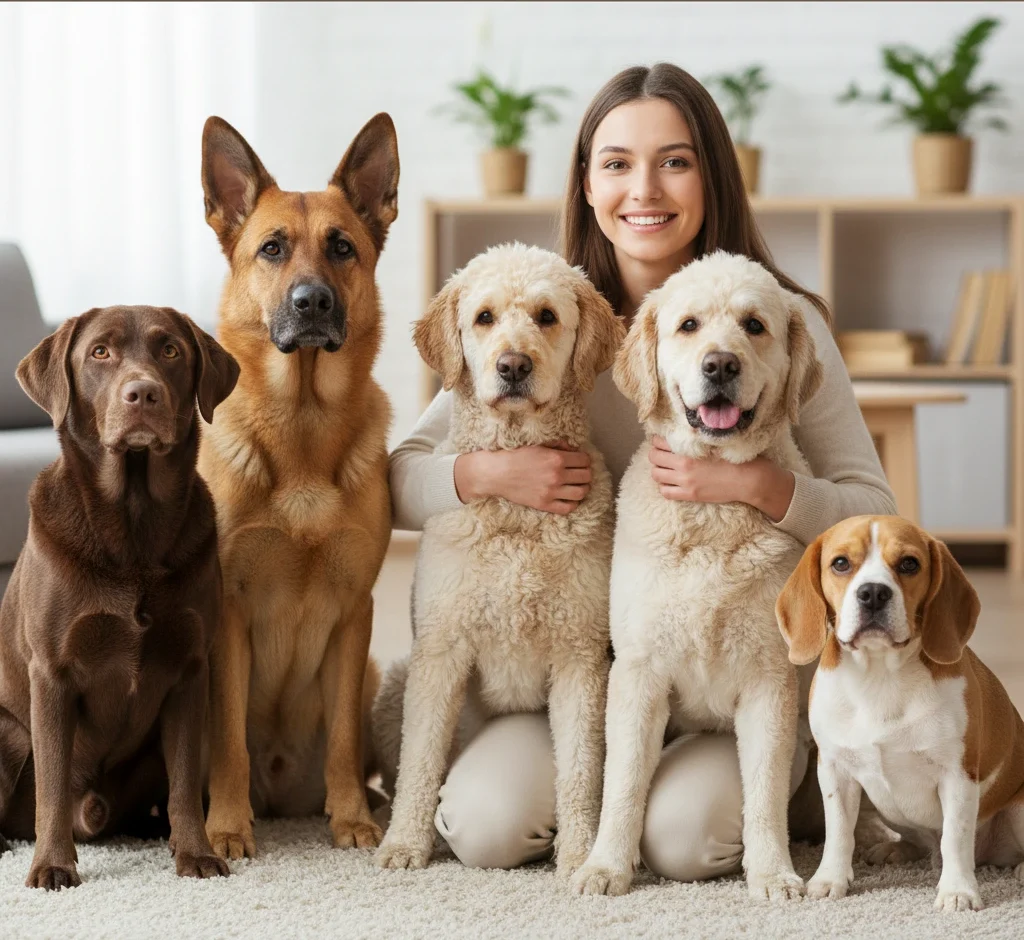
Choosing a new dog is easily one of the most exciting decisions you will ever make. It ranks right up there with deciding where to live or choosing a career path. But let’s be real: walking into a shelter or contacting a breeder without a plan can feel incredibly overwhelming. There are so many different faces, sizes, and personalities staring back at you, all needing a home.
If you are new to dog ownership, you might feel a bit lost in the sea of options. Should you get a high-energy running partner who needs miles of exercise, or a calm couch potato who just wants to nap? A tiny companion who fits in a tote bag, or a gentle giant who takes up half the sofa?
This guide is designed to break down some of the most popular dog breeds to help you understand what might fit your lifestyle best. We aren’t just listing dogs; we are helping you find a roommate for the next decade.
Why Understanding Breed Characteristics Matters
Before we jump into specific breeds, let’s talk about why “breed” isn’t just a label. Every dog is an individual, of course. You will absolutely find lazy Border Collies and hyperactive Bulldogs. However, breeds were developed over centuries for specific jobs—like herding sheep, guarding homes, hunting badgers, or retrieving ducks. These deep-rooted instincts affect how they act in your living room today.
Understanding these traits helps you avoid surprises. It ensures you don’t accidentally bring a high-drive working dog into a small apartment where they might get bored and destructive because they don’t have a “job” to do.
Here are a few critical factors to keep in mind as you read:
- Energy Level: How much exercise can you realistically provide every single day? (Be honest!)
- Size: Do you have space for a large crate, a big bed, and a car that fits a 70-pound animal?
- Grooming: Are you okay with daily brushing and professional grooming costs, or do you want a “wash and wear” dog?
- Temperament: Do you need a dog that loves strangers and parties, or one that is loyal only to your immediate family?
The Family Favorites: Retrievers
When people think of the quintessential family dog, they usually picture a retriever. These dogs are consistently popular for a reason. They are generally eager to please, gentle, and happy-go-lucky. They fit well into the “average” active family lifestyle.
Golden Retrievers
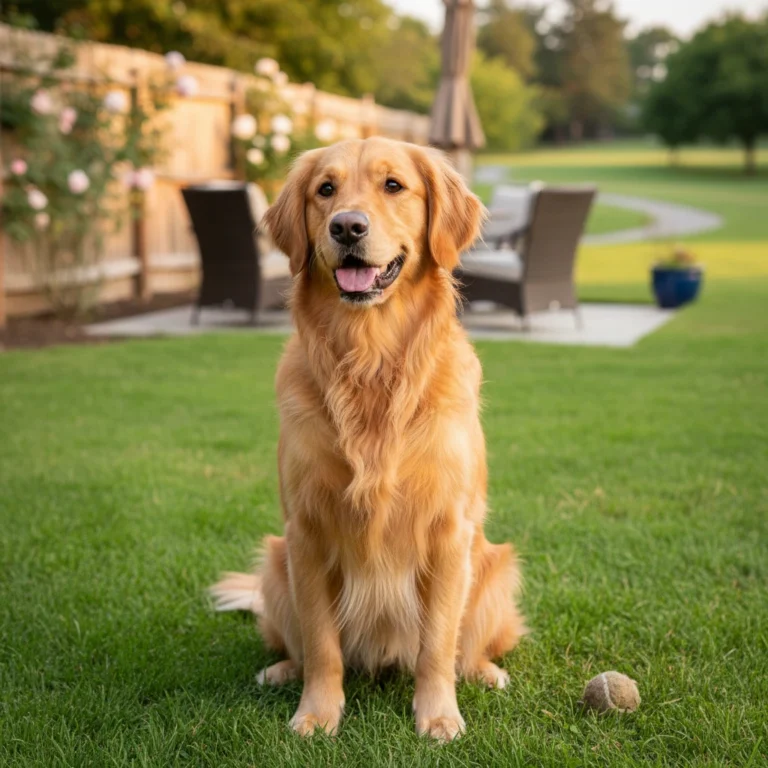
Golden Retrievers are famous for their friendly eyes and beautiful, flowing coats. They tend to love everyone they meet—kids, strangers, the mail carrier, and other pets. They are smart and relatively easy to train because they want to make you happy, which makes them great for first-time owners.
- Best for: Active families who want a dog involved in everything, from soccer practice to hiking.
- Watch out for: They shed a lot. You will find gold glitter (fur) on everything you own. They also need daily walks to burn off energy, or they can become restless.
Labrador Retrievers
Labs have held the top spot in popularity charts for decades. They are sturdy, athletic, and incredibly food-motivated. This food drive makes training a breeze because a Lab will do almost anything for a treat. They are generally robust dogs that love to play fetch and swim.
- Best for: People who love outdoor activities like hiking, swimming, or camping.
- Watch out for: Young Labs can be very rowdy and need plenty of chew toys. Because they love food so much, they are prone to obesity, so you have to manage their diet carefully.
The Intelligent Workers: Herding Breeds
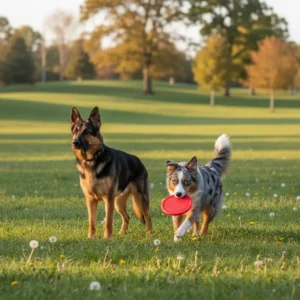
Herding dogs are the brainiacs of the dog world. They were bred to control the movement of other animals, which means they are fast, smart, and reactive to movement. They make amazing companions, but they are not “easy” dogs; they need a job to do or they will invent one (like reorganizing your shoe closet).
German Shepherds
These dogs are known worldwide for their loyalty and courage. A German Shepherd is often a “one-person” or “one-family” dog, forming a deep bond with their humans. They are incredibly versatile and can learn almost anything, which is why they work as police dogs and service animals.
- Best for: Owners who are interested in active training and want a loyal protector who sticks close by.
- Watch out for: They can be wary of strangers if not socialized young. They shed heavily twice a year (often called “blowing their coat”). They need mental stimulation just as much as physical exercise.
Australian Shepherds
“Aussies” are beautiful dogs, often with striking blue eyes or speckled “merle” coats. They are medium-sized but pack a huge amount of energy. They are nimble, quick, and always ready to go. If you don’t give them a puzzle or a long run, they might try to herd your children or cats by nipping at their heels—it’s just their instinct.
- Best for: Very active individuals who want a partner for agility sports, frisbee, or long runs.
- Watch out for: They are not couch potatoes. Without mental stimulation, they can become anxious or destructive. They are “velcro dogs” that will follow you from room to room.
Small but Mighty: Companion Breeds
Don’t let their size fool you. Small dogs often have huge personalities. Many of these breeds were developed specifically to be companions, meaning their main historical job was to sit with people and keep them company. This makes them excellent for modern living.
French Bulldogs
The “Frenchie” has skyrocketed in popularity recently. With their bat-like ears and squishy faces, they are undeniably cute and full of character. They are sturdy little dogs that don’t require much exercise, making them perfect for city living or apartments.
- Best for: Apartment dwellers and people who want a low-energy buddy who loves to cuddle.
- Watch out for: They can have significant health issues, particularly breathing problems due to their flat faces. They are sensitive to heat and cannot swim well.
Poodles (Toy and Miniature)
Poodles often get a bad reputation as being “fussy,” but this is unfair. They are actually athletic, sturdy, and incredibly smart water dogs. They come in three sizes (Standard, Miniature, and Toy). The smaller varieties are great for indoor living but still enjoy a good walk and a game of fetch.
- Best for: People with allergies, as their curly coats shed very little (though no dog is truly hypoallergenic).
- Watch out for: Their coat requires professional grooming every 4-6 weeks to prevent painful matting. This is an added monthly cost to consider.
Gentle Giants: Working and Hound Breeds
Sometimes, bigger is better. Large breeds can be surprisingly calm indoors, earning them the nickname “rug dogs.” However, their size means everything costs a little more—food, vet bills, and preventatives.
Boxers
Boxers are the clowns of the dog world. They are muscular and powerful but often act like puppies well into their senior years. They love to play and are generally very patient with children, making them excellent family guardians who are more goofy than aggressive.
- Best for: Families who want a fun, goofy, and protective dog who loves to play.
- Watch out for: They can be jumpy when excited and need training to keep four paws on the floor. They can also be prone to certain cancers and heart conditions.
Beagles
Beagles are hounds, which means they are ruled by their nose. They are friendly, compact, and happy-go-lucky dogs who get along with almost everyone. However, once they catch a scent, they might tune everything else out, including your calls to come back.
- Best for: Families who want a sturdy, small-to-medium dog that isn’t fragile and loves to sniff.
- Watch out for: They can be vocal (they “bay” or howl rather than bark) and shouldn’t be let off-leash in unfenced areas because their nose will lead them astray.
Making the Final Decision
There is no single “best” breed. The best breed is the one that fits your specific life right now. Be honest with yourself about how much time you have for walking, training, and grooming. It is better to get a dog with lower energy than you think you need, rather than one with more energy than you can handle.
The Importance of Health and Lineage
Whether you choose a breeder or a rescue, health matters. Purebred dogs can be prone to specific genetic issues. For example, large breeds like German Shepherds are prone to hip dysplasia.
If you buy from a breeder, ensure they perform health screenings on the parents. If you adopt, ask the shelter about any known medical history. For more information on animal welfare and responsible pet ownership, the USDA Animal Care site offers excellent resources.
Adopt or Shop?
This is a personal choice.
- Adoption: Visiting local shelters and breed-specific rescues saves a life and is often less expensive. You can often find purebreds or specific mixes in shelters. Adult rescue dogs may also already be house-trained!
- Reputable Breeders: Buying from a responsible breeder allows you to know the dog’s lineage and health history from day one. Avoid puppy mills and pet stores to ensure you aren’t supporting unethical breeding practices.
Conclusion
Bringing a dog into your life is a journey. Remember, that cute puppy grows into an adult dog that will be your partner for the next 10 to 15 years. Taking the time to research now will pay off in a lifetime of happy tail wags and wet nose boops.
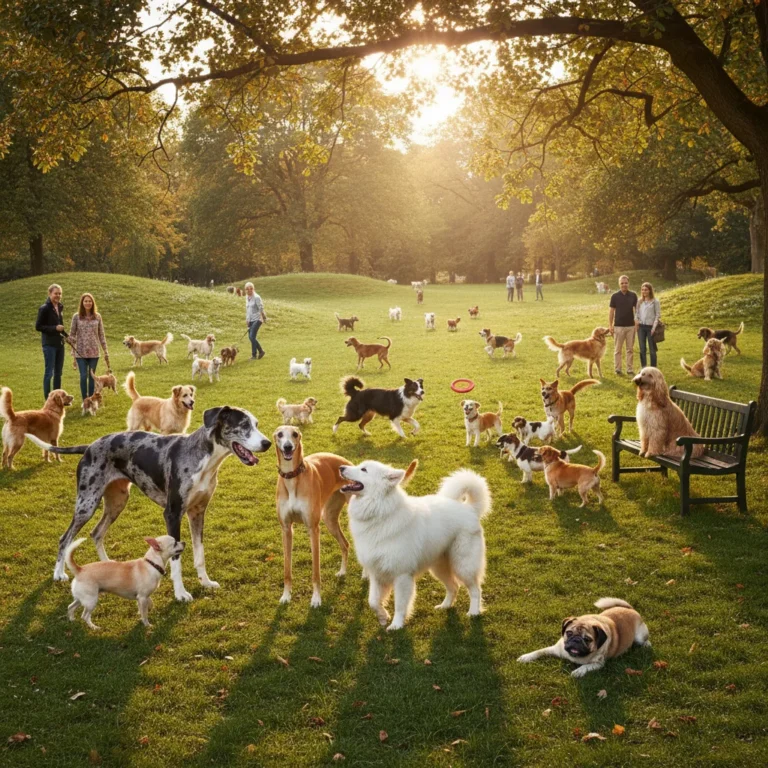
Start by visiting local dog parks to see these breeds in action. Talk to owners—they usually love to talk about their dogs! Ask them the hard questions about shedding, barking, and energy levels.
If you are ready to take the next step in your dog wellness journey, check out our other resources on nutrition and training to give your new friend the best start possible. At Dog Wellness Hub, we believe every dog deserves a home where they are understood and loved for exactly who they are.
Frequently Asked Questions
Which dog breed is best for a first-time owner?
Generally, breeds like Golden Retrievers, Labradors, and Poodles are considered good for beginners because they are eager to please and easier to train. However, older rescue dogs of any breed can also be excellent for beginners as they are often already calmer and house-trained.
Do small dogs need less exercise than big dogs?
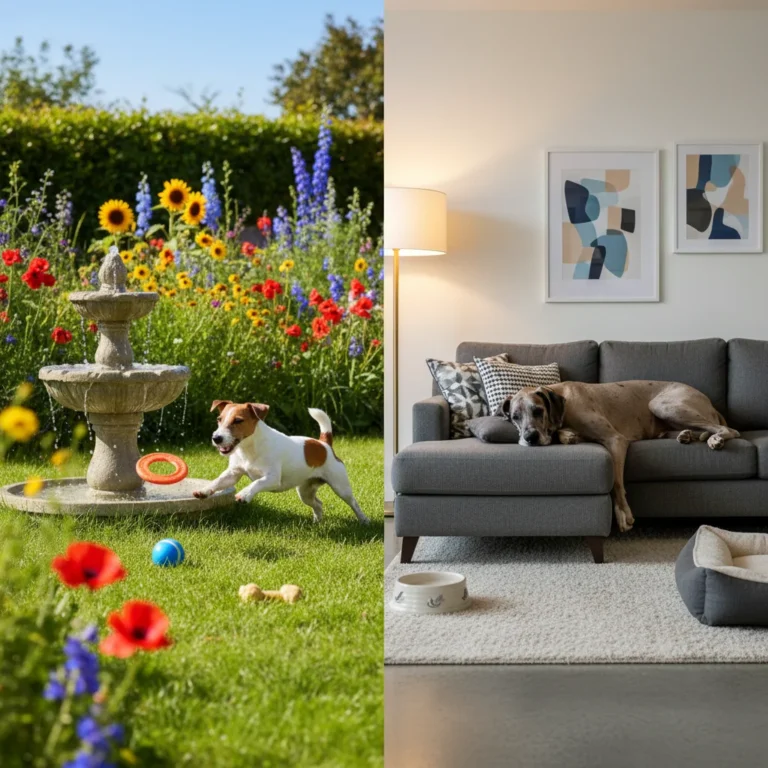
Not always! Some small dogs, like Jack Russell Terriers, have incredibly high energy levels and need hours of activity. Conversely, some giant breeds, like Great Danes, can be very lazy. Always research the specific breed’s energy level, not just their size.
Are mixed breeds healthier than purebreds?
Mixed breeds can sometimes be healthier because they have a wider gene pool, which can reduce the risk of inherited genetic disorders common in specific purebreds. However, they can still inherit health issues from either parent, so regular vet care is essential for every dog.
About The Author