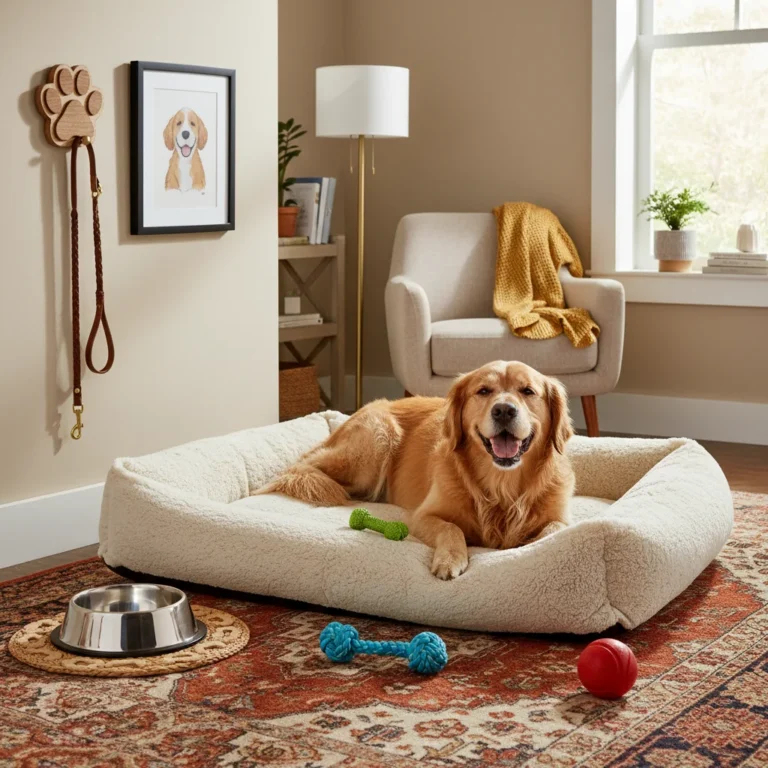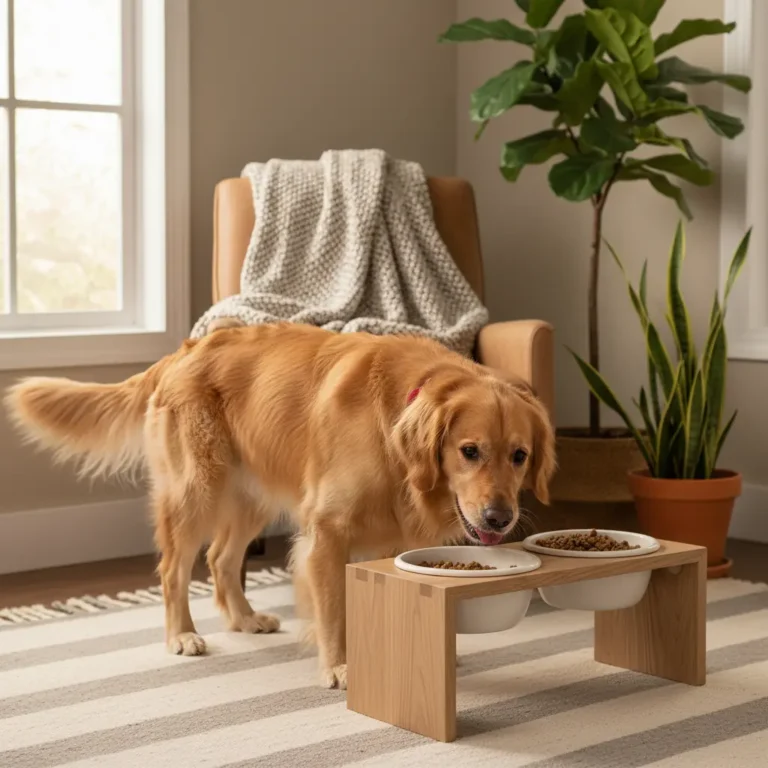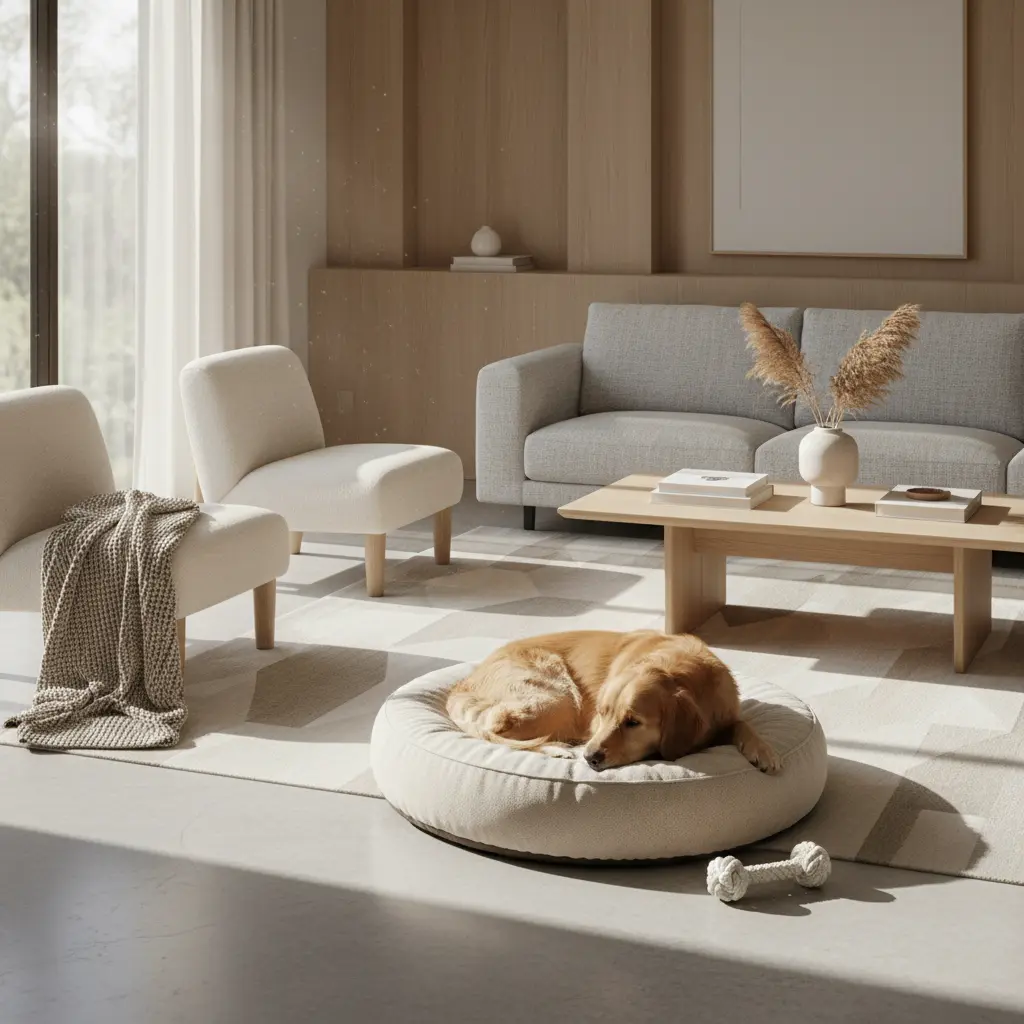
We all know the feeling. You walk into the living room and find your dog curled up in a tiny, impossible ball on the rug, or sprawled out across the entire sofa like they pay the mortgage. It’s cute, sure. But just like us, our dogs need a dedicated space to rest, recover, and feel safe.
Choosing the right bedding and accessories isn’t just about matching your home decor (though that’s a nice bonus). It is about supporting your dog’s joints, providing warmth, and giving them a sense of security. Whether you have a tiny terrier who loves to burrow or a Great Dane who needs serious orthopedic support, setting up a comfortable spot is one of the best ways to care for your Dog long-term wellness.
Let’s dive into what makes a dog bed truly comfortable, how to pick the right accessories, and why these choices matter more than you might think.
Why a Good Dog Bed Matters
You might think a pile of blankets on the floor is enough, and for some dogs, it might be temporarily fine. But a proper bed serves a few critical functions that go beyond simple comfort.
Joint Health and Support
As dogs age, their joints take a beating. Hard floors—even carpeted ones—don’t offer the cushioning needed to relieve pressure points. A good bed supports the skeletal system. This is especially true for larger breeds prone to hip dysplasia or older dogs with arthritis. The right mattress distributes weight evenly, allowing muscles to relax completely.
Temperature Regulation
Floors can be drafty in winter and surprisingly hot in summer. A raised bed or one with breathable fabric helps regulate your dog’s body temperature. In colder months, a plush bed acts as insulation, trapping body heat to keep them cozy.
A Sense of Security
Dogs are den animals by nature. Having a designated spot that is exclusively theirs provides a mental safety net. It’s a retreat where they can go when the house gets too loud or when they just want to nap without being disturbed.
Decoding Dog Bed Types

Walking into a pet store or browsing online can be overwhelming. There are endless shapes and styles. To make the right choice, you need to match the bed to your dog’s sleeping style and physical needs.
Orthopedic Beds
These are the gold standard for older dogs or large breeds.
- What they are: Usually made with high-density memory foam (similar to human mattresses).
- Who they are for: Seniors, dogs with arthritis, or heavy breeds like Mastiffs and Shepherds.
- Why they work: They don’t flatten over time. They push back against the dog’s weight, supporting the spine and hips.
Bolster or “Donut” Beds
If your dog loves to curl up in a tight circle or rest their head on a pillow, this is the style for them.
- What they are: Beds with raised edges (bolsters) around all or part of the perimeter.
- Who they are for: “Curlers,” anxious dogs who like to feel enclosed, and smaller breeds.
- Why they work: The raised sides block drafts and provide a built-in pillow for head support.
Pillow or Cushion Beds
These look like giant floor pillows. They are simple, open, and versatile.
- What they are: Large, flat cushions filled with polyester fiber or foam chunks.
- Who they are for: Dogs who like to sprawl out fully (the “superman” pose).
- Why they work: They offer freedom of movement without restricting the dog to a specific shape.
Cave or Hooded Beds
Some dogs crave total privacy.
- What they are: Beds with a fabric hood or cover that creates a cave-like entry.
- Who they are for: Burrowers like Dachshunds, Terriers, or very shy dogs.
- Why they work: They simulate a den, trapping heat and providing a dark, quiet hiding spot.
Elevated or Cot-Style Beds
These look like mini trampolines.
- What they are: Fabric stretched tight over a metal or PVC frame, lifting the dog off the floor.
- Who they are for: Dogs who overheat easily, or for outdoor use.
- Why they work: Air circulates underneath, keeping the dog cool. They are also easy to clean and resist chewing better than foam beds.
Choosing the Right Size
One of the most common mistakes owners make is buying a bed that is too small. A Chihuahua in a Great Dane bed is fine (and adorable), but a Retriever hanging off the edge of a medium bed is a recipe for back pain.
How to measure:
- Wait until your dog is asleep.
- From the end of the nose to the beginning of the tail, you can measure them
- Add about 6 to 10 inches to that measurement.
This ensures that even if they stretch out fully, their limbs won’t fall off the edge. When in doubt, always size up. No dog ever complained about having too much room.
Material Matters: Durability vs. Comfort
The fabric on the outside of the bed is just as important as the stuffing on the inside. You need to balance what feels good to your dog with what is practical for your home.
For the “Nester”
If your dog circles and digs before laying down, you need durable fabric. Look for canvas, heavy-duty nylon, or microfiber. Delicate fleece or thin cotton might tear under the assault of digging claws.
For the Senior
Softness is key. Faux fur, plush velvet, or soft fleece are gentle on thinning coats and sensitive skin. Just make sure the cover is removable and washable, as older dogs might have occasional accidents.
For the Chewer
This is tricky. No fabric is truly indestructible, but ballistic nylon and heavy canvas are your best bets. Avoid beds with zippers, piping, or decorative buttons that might tempt a chewer.
A Note on Washability
This is non-negotiable. Dogs get dirty. They track in mud, they drool, and they shed. Look for beds with removable covers that are machine washable. If the whole bed can go in the washer, even better. If you can’t wash it easily, it will become a smelly permanent fixture in your home very quickly.
Essential Accessories for the Perfect Setup
A bed is the foundation, but a few key accessories can take your dog’s comfort to the next level.
Blankets and Throws
Many dogs love to manipulate their bedding. A dedicated dog blanket allows them to “nest” without destroying the bed itself. Look for materials that don’t hold onto hair, or opt for fleece which is warm and easy to wash.
Stairs and Ramps
If you allow your dog on your own furniture or have a high bed for them, consider stairs or a ramp.
- Why: Jumping down from sofas or beds puts tremendous impact on the front legs and shoulders. Over years, this repetitive impact causes wear and tear.
- Selection: Look for wide steps with non-slip treads. Ramps are better for dogs with existing back issues (like Dachshunds) to keep their spine straight.
Heating Pads and Cooling Mats
Accessories can help manage extreme temperatures.
- Heating Pads: Great for arthritic dogs in winter. Ensure they are pet-safe, chew-resistant, and have an auto-shutoff feature.
- Cooling Mats: These are usually filled with a gel that stays cool to the touch. They are lifesavers in summer for double-coated breeds like Huskies.
Crate Mats
If your dog sleeps in a crate, the plastic tray bottom isn’t enough. A thin, dense crate mat adds comfort without taking up too much headroom. It also stops the dog from sliding around on the plastic.
Where to Place the Bed
Location is everything. You might buy the most expensive orthopedic bed on the market, but if you put it in the wrong spot, your dog won’t use it.
The Quiet Corner
Place one bed in a low-traffic area. This is their retreat. It shouldn’t be near a loud TV, a drafty door, or the kids’ playroom. This is for deep sleep.
The Social Spot
Dogs are pack animals; they want to be where you are. Keep a second, perhaps smaller or simpler bed, in the living room or kitchen. This allows them to “supervise” the household comfortably without being underfoot.
Avoid Drafts and Heat Sources
Don’t place the bed directly next to a radiator (risk of overheating) or right in front of a drafty window in winter. Test the spot yourself—if you wouldn’t want to nap there, your dog probably won’t either.
Cleaning and Maintenance: Keeping the “Doggy Smell” Away
We love our dogs, but we don’t necessarily love how they smell after a rainstorm. Maintaining the bed is crucial for home hygiene.
- Vacuum Weekly: Run the vacuum over the bed to remove hair, dander, and dried mud. This keeps allergens down.
- Wash Monthly: Wash the cover (and the insert if possible) at least once a month. Use a pet-safe, hypoallergenic detergent. Strong fragrances can irritate a dog’s sensitive nose.
- Sun It Out: UV rays are natural disinfectants. On a sunny day, let the bed insert air out in the sun for a few hours to kill bacteria and freshen it up.
- Inspect Regularly: Check for rips, loose stuffing, or broken zippers. Ingested foam or fabric can cause serious intestinal blockages. If a bed is damaged, repair it immediately or replace it.
Recognizing When It’s Time for a New Bed
Dog beds don’t last forever. Just like our mattresses, the support foam breaks down over time.
Signs you need a replacement:
- Lumps and bumps: The filling has bunched up and won’t smooth out.
- The “Pancake” effect: The memory foam stays flat and doesn’t bounce back when your dog gets up.
- Permanent odors: Even after washing, the smell lingers. This means bacteria has penetrated deep into the core.
- Tattered fabric: If the cover is thin or torn, it’s no longer providing a barrier against dirt and moisture.
Conclusion
Creating a comfortable space for your dog involves a mix of observation and practical choices. It’s about noticing that your senior dog struggles to get up from a soft pillow bed and switching them to a firm orthopedic mattress. It’s about seeing your anxious rescue dog trying to hide under the table and offering them a hooded cave bed instead.
The right bed and accessories do more than clutter your floor; they extend the quality of your dog’s life. They protect joints, ensure restful sleep, and provide a sanctuary within your home.
So take a look at your dog’s current sleeping arrangement. Is it time for an upgrade? Your furry friend might not be able to say “thank you” in words, but that happy sigh they let out when they settle into a perfect bed says it all.
For more information on caring for animals and veterinary standards, you can visit the USDA Animal Care website.
Frequently Asked Questions (FAQs)
Q: Can I just use old pillows for my dog?
A: While better than a hard floor, human pillows often lack the density and structure dogs need for joint support. They also tend to trap odors and allergens more than beds designed specifically for pets.
Q: How do I get my dog to actually use their new bed?
A: Place the bed in a spot they already like to sleep. You can also put a familiar toy or an old shirt that smells like you on the bed to make it inviting. Praise them when they settle on it.
Q: Is memory foam really worth the extra cost?
A: generally, yes. High-quality memory foam lasts longer than poly-fill and provides significantly better support for the skeletal system, which can save on vet bills related to joint pain later in life.
Q: My dog destroys every bed I buy. What should I do?
A: Look for beds labeled “chew-proof” or “indestructible.” These usually feature heavy-duty canvas, double-stitched seams, and no exposed zippers. Alternatively, a raised cot-style bed (aluminum frame) is very difficult to chew.
Q: How often should I wash the dog bed?
A: Ideally, vacuum it weekly and wash the cover every two to four weeks. If you have a puppy, a senior dog with incontinence, or a dog with allergies, you may need to wash it more frequently.
Disclaimer: The information provided in this article is for educational and informational purposes only and is not intended as veterinary or professional advice.
About The Author