Bringing a dog into your life changes everything for the better. They fill our homes with energy, affection, and a lot of tail wags. But being a great dog owner is about more than just providing food, water, and shelter. It’s about building a shared lifestyle where your dog isn’t just living in your world, but thriving alongside you.
Creating a truly dog-friendly life means looking at your daily habits and environment through your dog’s eyes. It involves small, thoughtful adjustments that can make a huge difference in their happiness and well-being. This guide is here to provide simple, practical tips to help you weave your dog’s needs into the fabric of your everyday existence, from how you set up your home to the way you run your errands. Let’s explore how to create a world that is as fun and fulfilling for them as it is for you.
Crafting a Safe and Engaging Home Base
Your home is the center of your dog’s universe. It’s where they rest, play, and feel most secure. Turning your living space into a haven that is both safe and stimulating is the first step toward a harmonious life together. This goes beyond a comfy bed; it requires a dog’s-eye view of your surroundings.
Making Your Home a Safe Zone
Curiosity is a natural part of being a dog, and they often investigate new things with their nose and mouth. Dog-proofing is an ongoing process that protects them from common household dangers.
- Secure Harmful Substances: Many everyday items are toxic to dogs. Keep all medications, cleaning supplies, and automotive fluids like antifreeze stored securely in high cupboards or locked cabinets. Remember that certain human foods, including chocolate, xylitol (a common sweetener), grapes, and onions, are also dangerous.
- Manage Cords and Wires: Electrical cords can seem like chew toys to a curious pup, posing a risk of electric shock. Tuck them away behind furniture, use cord concealers, or secure them tightly against baseboards to keep them out of reach.
- Be Mindful of Plants: A surprising number of common houseplants are poisonous if ingested by dogs. Before adding new greenery to your home, check if it’s pet-safe. Some popular toxic plants include sago palms, tulips, and oleander. Safe alternatives include the Boston fern, spider plant, and money tree.
- Lock Down the Trash: The smells from your kitchen bin can be irresistible. A dog might knock it over and eat something dangerous, like cooked bones that can splinter, coffee grounds, or moldy food. Using a trash can with a heavy, locking lid is a simple solution.
Building a Comfortable and Enriching Space
A dog that feels secure and has outlets for its energy is a happy dog. Preventing boredom is just as important as ensuring safety.
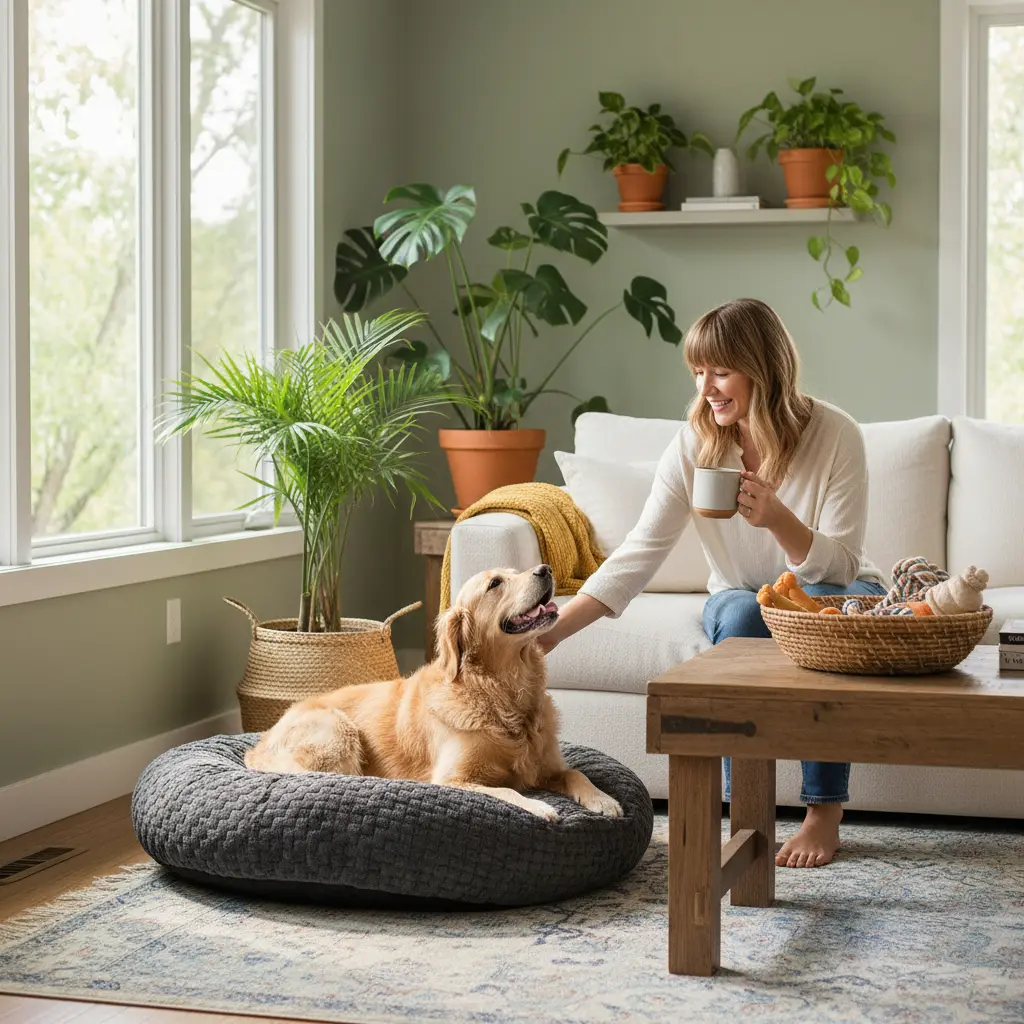
- Establish a Personal Den: Give your dog a space that is exclusively theirs. This can be a crate with a comfy bed, a corner with their favorite blankets, or a specific dog bed. This “den” provides a sense of security and a place to go when they need to relax.
- Make Mealtimes a Game: Instead of using a standard bowl, try a puzzle feeder or a snuffle mat. These tools require your dog to use their brain and nose to get their food, which taps into their natural instincts and provides great mental exercise.
- Provide a Window to the World: A view of the outdoors can provide hours of entertainment. If you can, arrange a piece of furniture to allow your dog to safely look out a window and watch the neighborhood happenings.
- Set Clear Household Rules: Consistency is crucial for a well-behaved dog. Use baby gates or positive reinforcement training to teach them which areas are for them and which are off-limits, like the kitchen counter or a formal living room.
Weaving Your Dog into Your Daily Flow
A fulfilling dog-friendly lifestyle means finding natural ways to include your companion in your day-to-day activities, rather than just carving out separate “dog time.” This strengthens your connection and gives them the mental stimulation they crave.
From Chores to Shared Adventures
Many routine errands can become exciting outings for your dog with a little bit of forethought. This helps them become more confident in new environments.
- Visit Dog-Welcoming Businesses: A growing number of stores, from hardware and sporting goods shops to local boutiques, allow leashed, well-behaved dogs inside. A quick phone call or online check can confirm their policy. These trips are fantastic for exposing your dog to new smells and sounds in a controlled way.
- Enjoy a Meal Together: Search for local cafes and restaurants with dog-friendly patios. It’s a wonderful way to work on their public manners. Always bring a portable water bowl and maybe a quiet chew toy to keep them settled while you eat.
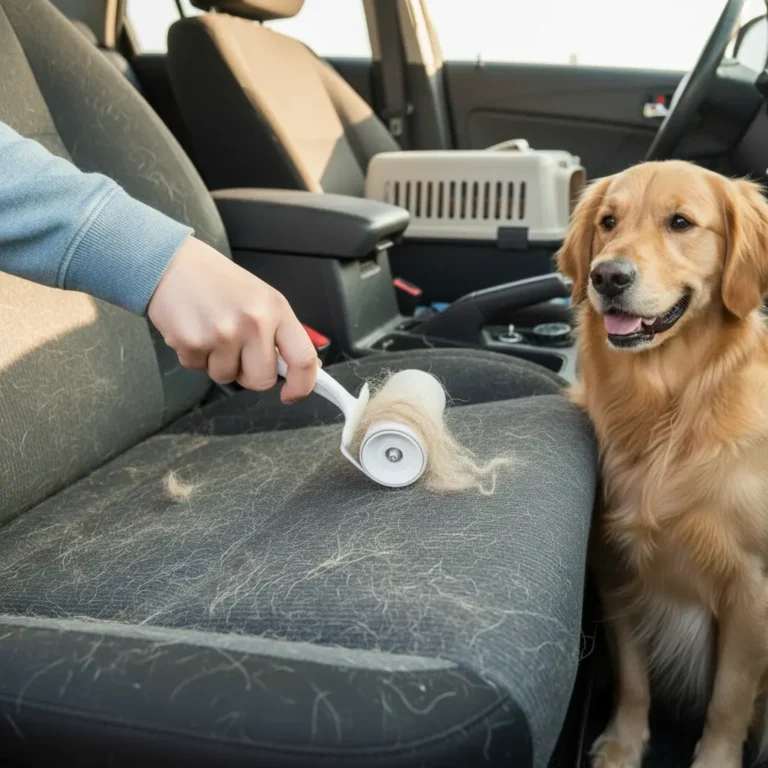
- Car Safety is Paramount: If you’re running errands where your dog can’t join you, it’s safer to leave them at home. The temperature inside a car can become deadly in a matter of minutes, even with the windows cracked. For essential travel information, the Centers for Disease Control and Prevention (CDC) provides clear guidance on keeping pets safe in vehicles.
Exercise That Goes Beyond the Leash
The daily walk is a cornerstone of a dog’s routine, but variety is key to keeping their body and mind in top shape.
Diversifying Their Physical Activity
Mixing up your exercise routine prevents boredom and helps your dog use different muscles.
- Explore New Terrains: Break away from the same old walking route. Take a drive to a different park, find a beginner-friendly hiking trail, or just explore a new street in your neighborhood. The new scents are incredibly stimulating for a dog’s brain.
- Engage in Play: Interactive games are a powerful tool for bonding and exercise. A good game of fetch or a gentle tug-of-war session can burn off significant energy. Several short play sessions throughout the day can be very effective.
- Consider a Canine Sport: Activities like agility, scent work, or lure coursing are fun ways to channel your dog’s energy and intelligence. Many communities have clubs or training facilities that welcome beginners.
Keeping Their Mind Active
Mental fatigue can be just as satisfying for a dog as physical fatigue.
- Daily Training Moments: You don’t need long training sessions. Just five minutes a day spent practicing commands or teaching a new trick can keep their mind engaged and reinforce your communication. Always use positive reinforcement.
- Play Scent Games: A dog’s nose is its superpower. Play “find it” by hiding treats around a room and letting them sniff them out. You can also play hide-and-seek, either with yourself or with their favorite toy.
- Rotate Their Toys: Keep a stash of toys that you rotate every week or two. A toy that has been out of sight for a while can feel brand new and exciting when it reappears.
Socialization and Traveling with Your Furry Friend
A well-socialized dog is a confident dog, comfortable and calm in a variety of situations. This means creating positive, controlled experiences with new people, places, and other animals.
The Art of Positive Socialization
The goal of socialization is to build confidence, not to force interaction.
- Focus on Quality, Not Quantity: A short, positive encounter with a calm, friendly dog is far more valuable than a chaotic free-for-all at a busy dog park. Learn to read your dog’s body language (like tail tucking or excessive yawning) and be their advocate if they seem overwhelmed.
- Meeting New People: When introducing your dog to new people, ask your guests to ignore the dog at first and let it approach on its own terms. Have them offer a treat to create a positive association.
- Structured Learning Environments: Group obedience classes are a fantastic setting for socialization. They provide a controlled environment where your dog can learn to focus on you while in the presence of other dogs and people.
Making Travel a Tail-Wagging Success
Including your dog in your travel plans can create lasting memories. Success lies in the preparation.
- Research Pet-Friendly Stays: Before you book anything, confirm the pet policy of your hotel, motel, or vacation rental. Ask about any fees, weight limits, or breed restrictions to avoid last-minute surprises.
- Pack a Bag for Your Pup: A dedicated bag with their essentials will help them settle in a new environment. Pack their food, bowls, bed or blanket, a few favorite toys, any medications, and a copy of their vaccination records.
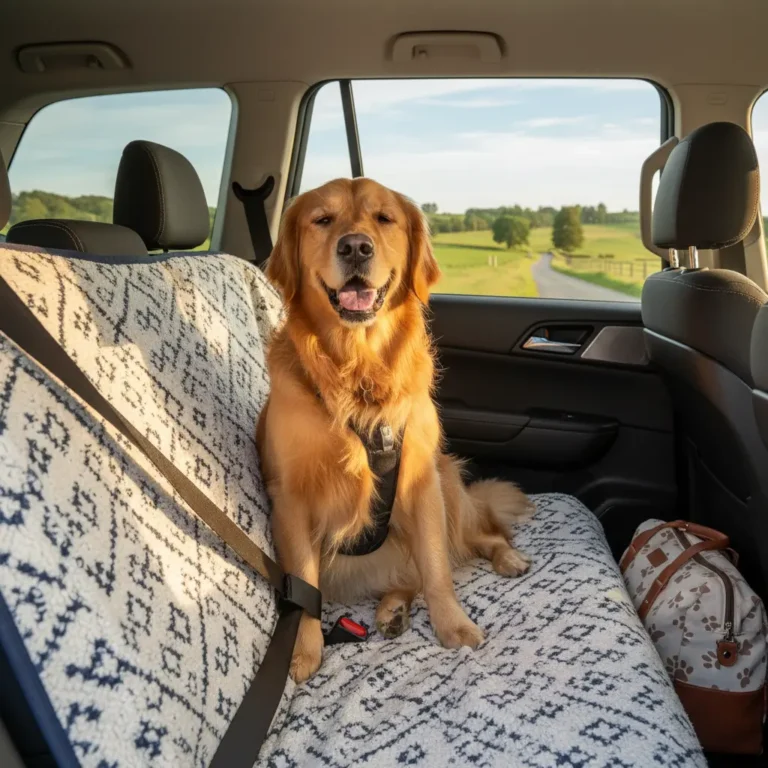
- Ensure Safe Transportation: Your dog’s safety in transit is a top priority. In a car, use a secured, well-ventilated crate or a crash-tested dog seatbelt harness. For air travel, contact the airline far in advance to understand their specific rules and requirements for flying with pets.
By thoughtfully integrating your dog into your life, you are building a partnership based on mutual respect and understanding. This enriched lifestyle not only ensures your dog’s happiness but also deepens the incredible bond you share.
Looking for a fun new way to challenge your dog’s mind? Try teaching them the names of their toys and asking for them one by one. It’s a great indoor game that builds focus and vocabulary.
Frequently Asked Questions (FAQs)
Q: How can I know for sure if a store or restaurant is dog-friendly?
The most reliable way is to call the business directly before you go. While some apps and websites list dog-friendly places, policies can change without notice. A quick phone call ensures you and your dog will be welcomed.
Q: My dog is shy and gets nervous in new situations. What can I do?
Start small and go slow. Introduce them to new environments for very short periods, like a five-minute visit to a quiet park. Use high-value treats and praise to build positive associations. Bringing a familiar item, like their favorite blanket, can also offer comfort. For persistent anxiety, a professional trainer or veterinary behaviorist can provide tailored guidance.
Q: Is a busy place like a street fair a good place to take my dog?
This completely depends on your individual dog. A confident, laid-back dog might handle it well, but for many, the dense crowds, loud noises, and tight spaces can be very stressful. If you do go, be prepared to leave immediately if your dog shows signs of stress, such as panting, lip licking, or trying to hide.
Disclaimer: The information provided in this article is for educational and informational purposes only and is not intended as veterinary or professional advice.
About The Author