Bringing a dog into your life is easily one of the most rewarding decisions you will ever make. But let’s be honest—walking into a massive pet superstore or scrolling through endless pages online can feel completely overwhelming. There are thousands of toys, beds, gadgets, and treats, all claiming to be the absolute “best” thing for your furry friend. How on earth do you distinguish between what you actually need and what is just going to gather dust in the back of a closet?
The truth is simpler than the advertisements want you to believe: you don’t need everything. You just need the right things.
Whether you are bringing home a brand-new puppy or looking to upgrade your senior dog’s lifestyle, focusing on quality basics makes a huge difference in your pet’s happiness—and your wallet. It’s not about having the most expensive gear; it’s about having the tools that support their daily wellness, safety, and comfort.
Here is a comprehensive breakdown of the essential dog products that actually matter for your dog’s daily life.
Setting the Foundation for Comfort
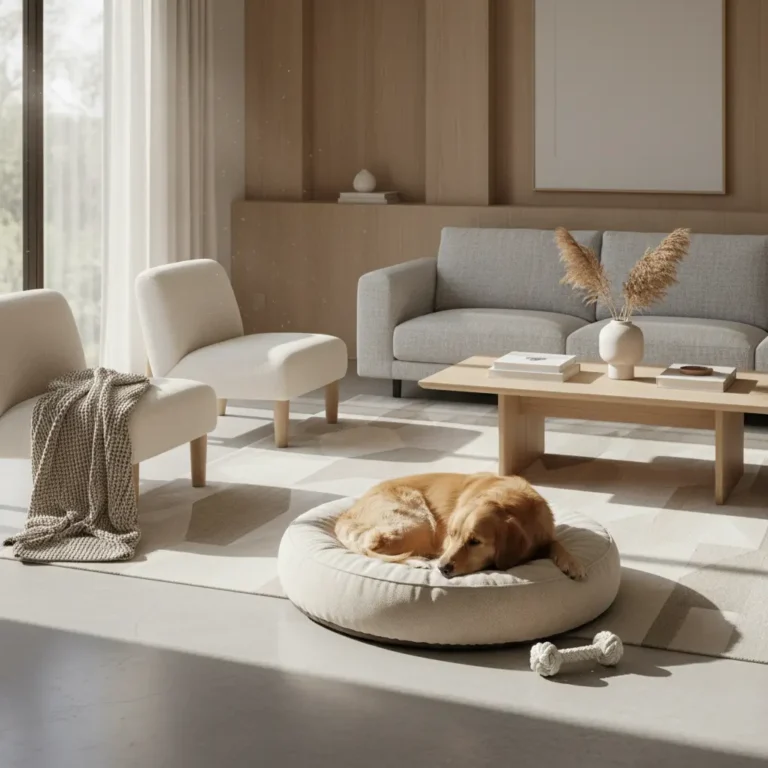
Dogs spend a lot of time sleeping. In fact, the average adult dog sleeps about 12 to 14 hours a day, and puppies or seniors sleep even more. Because resting is such a massive part of their life, their sleeping arrangement is the very first place you should focus your attention. A good night’s sleep affects their mood, immune system, and overall health just as much as it does yours.
The Right Bed Matters
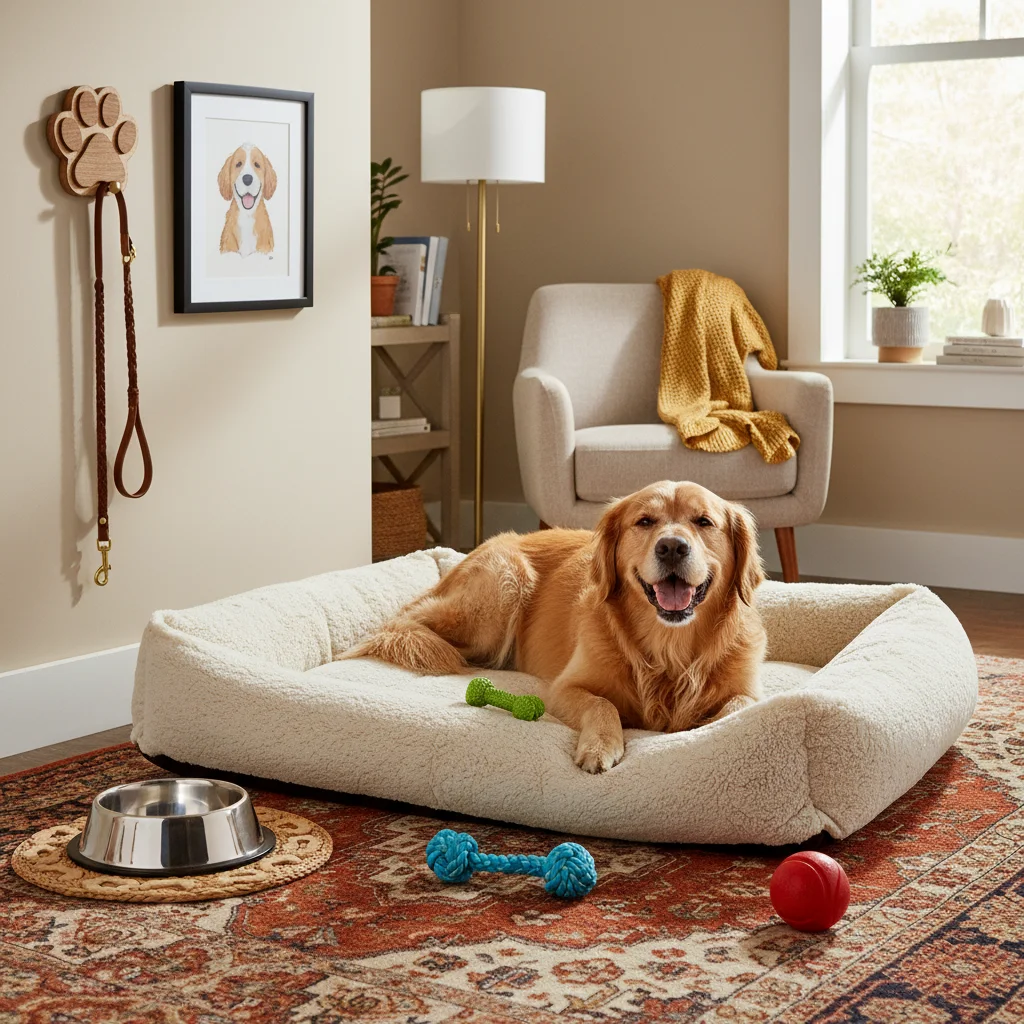
You might think tossing an old blanket on the floor is enough, but a supportive bed is crucial for joint health, especially as dogs age. Hard surfaces can cause calluses on their elbows and put unnecessary strain on their hips and shoulders.
- Orthopedic Memory Foam: These are excellent for larger breeds or older dogs. Just like human mattresses, the foam contours to their body, supporting their joints and preventing them from sinking down to the hard floor. This can prevent arthritis pain later in life.
- Bolster Beds: If your dog likes to curl up in a ball or rest their head on a pillow, a bed with raised edges (bolsters) provides that sense of security. It mimics the feeling of leaning against their mother or littermates.
- Washable Covers: This is non-negotiable. Dogs get dirty, muddy, and sometimes have accidents. Being able to zip off the cover and toss it in the washing machine keeps your home smelling fresh and reduces allergens.
A Safe Space to Relax
Crates often get a bad reputation as “cages,” but when used correctly, they are a sanctuary. Dogs are den animals by instinct. A crate provides a cozy, enclosed environment where your dog can retreat when they are tired, anxious, or just want some alone time.
It is also an essential tool for safety. A crate keeps a curious puppy away from electrical cords when you aren’t home to supervise, and it is the fastest method for potty training because dogs naturally avoid soiling their sleeping area.
Walking and Safety Gear

Walks are likely the highlight of your dog’s day. It’s their chance to explore, sniff, and bond with you. Having the right gear turns a stressful drag down the street into an enjoyable experience for both ends of the leash.
Harnesses vs. Collars
While a collar is necessary for holding ID tags, it isn’t always the best choice for attaching a leash, especially for enthusiastic walkers.
- Front-Clip Harnesses: These are a game-changer for dogs that pull. The leash attachment is on the chest. When the dog tugs forward, the harness gently steers them sideways back toward you rather than choking them. It uses leverage, not pain, to discourage pulling.
- Back-Clip Harnesses: These are better for smaller dogs or well-trained walkers who don’t pull. They keep the leash away from their legs to prevent tangling.
Using a harness protects the delicate structures in your dog’s neck. Constant pulling on a collar can cause damage to the trachea (windpipe) or increase eye pressure, particularly in breeds with flatter faces like Pugs or French Bulldogs.
Identification is Key
Even the most well-behaved dog can get spooked by a loud noise and run off. Proper identification is your best chance of a happy reunion.
- ID Tags: Ensure your dog wears a tag with your current phone number. It should be legible and durable.
- Microchips: A collar can fall off or break, but a microchip is permanent. It’s a tiny implant the size of a grain of rice that a vet or shelter can scan to find your contact info.
For more information on preparing your pet for emergencies and ensuring they are identifiable during disasters, you can visit Ready.gov’s pet safety page.
Nutrition and Feeding Tools
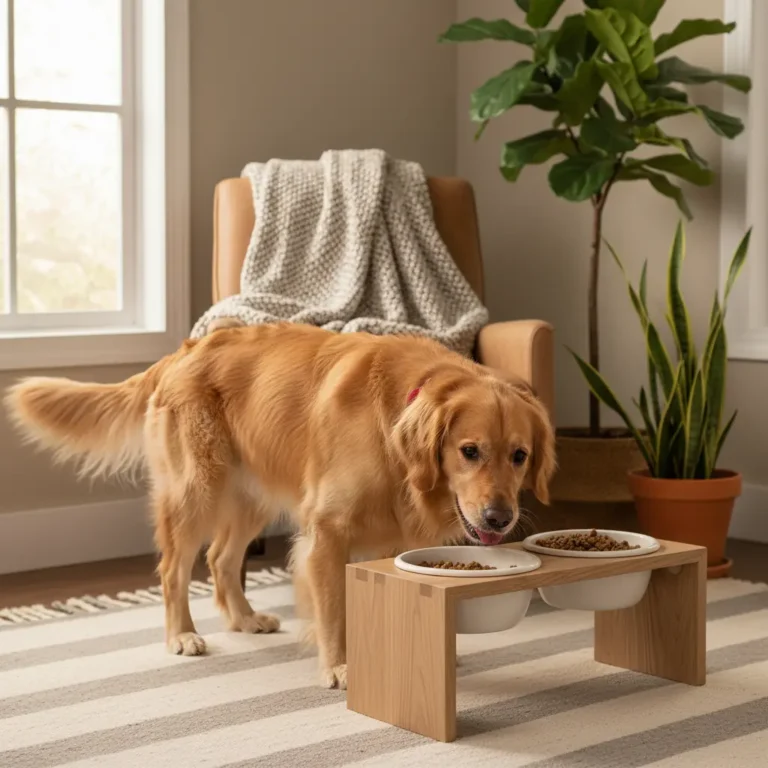
What you put your dog’s food in is almost as important as the food itself. The right bowl can improve digestion, hygiene, and even mental stimulation.
Slow Feeders and Puzzle Bowls
Does your dog inhale their dinner in 30 seconds flat? Eating too fast can lead to bloating, choking, and poor digestion. It can even lead to a dangerous condition called Gastric Dilatation-Volvulus (GDV), or “bloat,” especially in large breeds.
- Slow Feeder Bowls: These bowls look like mazes. They have ridges and valleys that force your dog to eat around obstacles, slowing them down significantly. This turns a 30-second gulp fest into a 10-minute meal.
- Puzzle Toys: These dispense food only when the dog works for it—by rolling it, sliding a panel, or tipping it over. This turns mealtime into a mental workout, which burns off energy and reduces boredom.
Stainless Steel or Ceramic
The material of the bowl matters for hygiene. Plastic bowls can develop tiny scratches over time. These scratches become breeding grounds for bacteria that regular washing can’t always reach. This bacteria can cause “chin acne” or irritation on your dog’s face.
Stainless steel or high-quality glazed ceramic bowls are non-porous. They are much easier to sanitize and generally last a lifetime.
Grooming and Wellness at Home
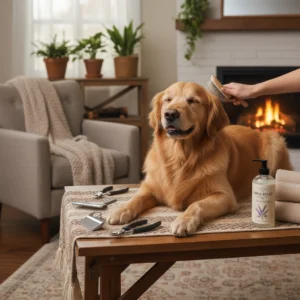
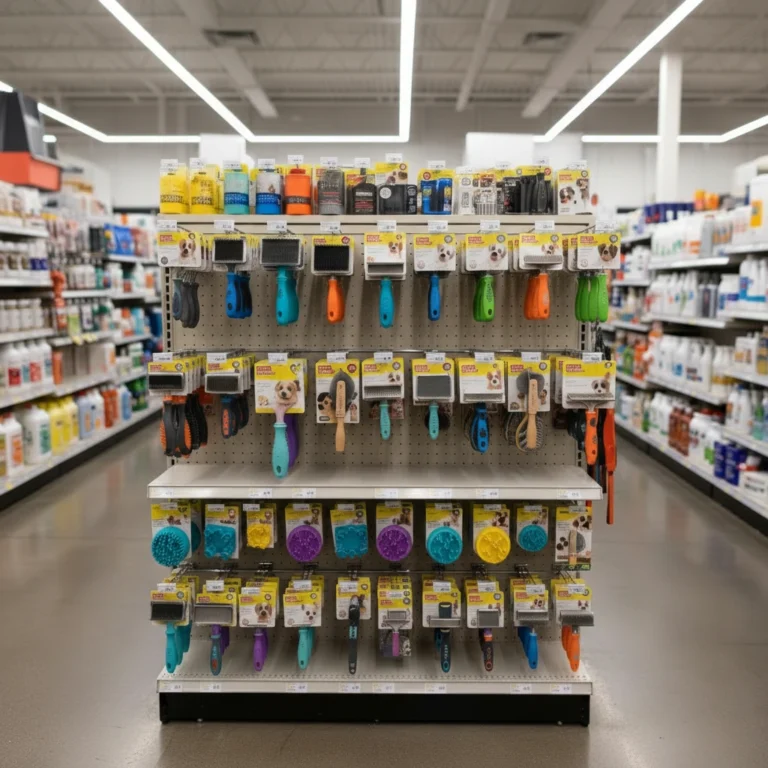
You don’t need to be a professional groomer to handle the basics at home. Regular maintenance keeps your dog comfortable and helps you spot health issues—like lumps, bumps, or skin irritations—early on.
Nail Care
Long nails are not just a cosmetic issue; they can be painful. When nails get too long, they touch the ground and push the toes apart, affecting how your dog walks. This can eventually lead to joint pain in the legs and hips.
- Nail Grinders: Many owners prefer these rotary tools over traditional clippers. There is less risk of cutting the “quick” (the blood vessel inside the nail), which can bleed and hurt. Grinders file the nail down gradually and leave a smooth edge.
- Safety Clippers: If you prefer clipping, look for tools with a safety guard. This is a small metal plate that prevents you from cutting off too much nail at once.
Dental Health
Dental disease is one of the most common health issues in dogs. By age three, most dogs have some sign of gum disease. Brushing isn’t always fun, but it saves you massive amounts of money on vet bills for extractions later.
- Dog-Specific Toothpaste: Never use human toothpaste. Human paste often contains fluoride or xylitol, both of which are toxic to dogs if swallowed. Flavored dog toothpaste (like poultry or peanut butter) makes the process tasty and easier.
- Finger Brushes: These soft silicone brushes slip over your finger. They are often less intimidating to dogs than a long-handled brush, allowing you to gently massage their gums and teeth.
Mental Stimulation and Enrichment
A bored dog is often a destructive dog. If your dog is chewing your shoes or barking at the window, they likely need more mental engagement. Physical exercise is important, but mental exercise is what really tires them out and keeps them calm.
Interactive Toys
These are toys that require problem-solving. Whether it’s a plush toy with smaller squeakers inside to “hunt” and pull out, or a hard plastic toy that dispenses kibble when rocked, these keep the brain engaged. 15 minutes of brain work can be as tiring as a 30-minute walk.
Lick Mats
These are textured silicone mats. You spread soft food—like peanut butter, plain yogurt, or wet dog food—into the grooves. Your dog then has to lick repeatedly to get the treat out.
The act of licking is naturally self-soothing for dogs and releases calming hormones (endorphins). This makes lick mats a fantastic tool for bath time, nail trimming, or thunderstorms.
Chew Toys
Dogs have a natural, biological urge to chew. It keeps their jaws strong and their teeth clean. If you don’t provide something appropriate to chew, they will find something inappropriate (like your furniture).
Look for safe, durable chews. Rubber toys that can be stuffed with treats are great because they are long-lasting. Avoid bones that can splinter, like cooked chicken bones.
Making the Right Choice for Your Dog
Every dog is an individual. A high-energy Border Collie will need different enrichment toys than a sleepy Basset Hound. A tiny Chihuahua needs a different harness than a Great Dane.
The key is to observe your pet. Do they like to burrow under blankets? Get them a cave-style bed. Do they love to chew? Invest in heavy-duty rubber toys. Do they pull on walks? Try a front-clip harness.
Start with these essentials and build your collection slowly. By investing in high-quality, useful products rather than flashy gimmicks, you are setting your dog up for a life of comfort, safety, and health.
At Dog Wellness Hub, we are committed to helping you navigate the world of pet ownership with confidence. If you found this guide helpful, check out our other resources on nutrition and training to give your dog the best life possible.
Frequently Asked Questions (FAQs)
Do I really need a specific dog bed, or can my dog sleep on the couch?
While couches are comfy, a dog bed provides a consistent, dedicated safe space. Orthopedic beds also offer better joint support than soft sofa cushions.
How often should I replace my dog’s collar?
Inspect it monthly. If the material is fraying, the buckle feels loose, or it smells despite washing, replace it immediately to ensure safety.
Are expensive dog toys really worth the money?
Usually, yes. Cheap toys often break quickly, becoming choking hazards. High-quality rubber toys last much longer, saving you money over time.
Can I use human shampoo on my dog?
No. Dogs have a different skin pH than humans. Human shampoo disrupts their acid mantle, leading to dry, itchy skin and potential infections.
Why does my dog need a slow feeder?
Eating too fast can cause choking, vomiting, and life-threatening bloat. Slow feeders improve digestion and provide mental stimulation.
About The Author