Bringing a new puppy home is one of the most exciting moments in life. There is nothing quite like that new puppy smell and the sound of tiny paws trotting across your floor. But once the initial excitement settles, reality hits. You have a living, breathing creature that relies on you for everything.
If you are feeling a little overwhelmed, take a deep breath. You are not alone. Every dog owner has stood exactly where you are right now, wondering if they are doing it right.
This guide is designed to help you navigate those first few critical months. We will cover the essentials of how to care for a puppy without making it complicated. From the first night’s sleep to basic training, we have you covered.
Preparing Your Home for the New Arrival
Before your puppy even sets a paw through the door, you need to make sure your environment is safe. Puppies are naturally curious. They explore the world with their mouths, chewing on anything they can find.
“Puppy-proofing” is a lot like baby-proofing. You need to get down on their level—literally—and see what looks interesting.
Here is a quick checklist to secure your space:
- Hide electrical cords: loose wires are a major chewing hazard. Use cord covers or tape them down.
- Remove toxic plants: Many common houseplants, like lilies or philodendrons, can be harmful to dogs. Check your plants and move them out of reach.
- Secure trash cans: A puppy will quickly learn that the trash can smells like a buffet. Use lids that lock or store bins inside cabinets.
- Block off restricted areas: Use baby gates to keep your puppy out of rooms where they could get into trouble or where you have nice carpets you want to protect.
Having these safety measures in place gives you peace of mind. It allows your puppy to explore their new home safely while you focus on bonding rather than constantly shouting “no!”
The First Few Days: Establishing a Routine
The first few days are crucial for setting the tone. Your puppy has just left their mother and littermates, so they will likely be confused and a bit scared. Your goal is to make them feel safe and secure.
One of the best puppy care tips we can offer is to start a routine immediately. Dogs thrive on consistency. If they know what to expect, they feel more confident.
Creating a Schedule
Try to keep feeding times, potty breaks, and bedtimes consistent. Here is a simple framework:
- Morning: Potty immediately upon waking, then breakfast.
- Afternoon: Playtime, nap time, lunch (if they are young enough for three meals), and regular potty breaks.
- Evening: Dinner, evening walk or play, final potty break, then sleep.
The Importance of Sleep
Puppies are like babies; they need a lot of sleep to grow. A young puppy might sleep up to 18-20 hours a day. It is easy to want to play with them constantly, but overtired puppies often become nippy and difficult to manage. Give them plenty of quiet time to recharge.
Nutrition: Fueling Growth
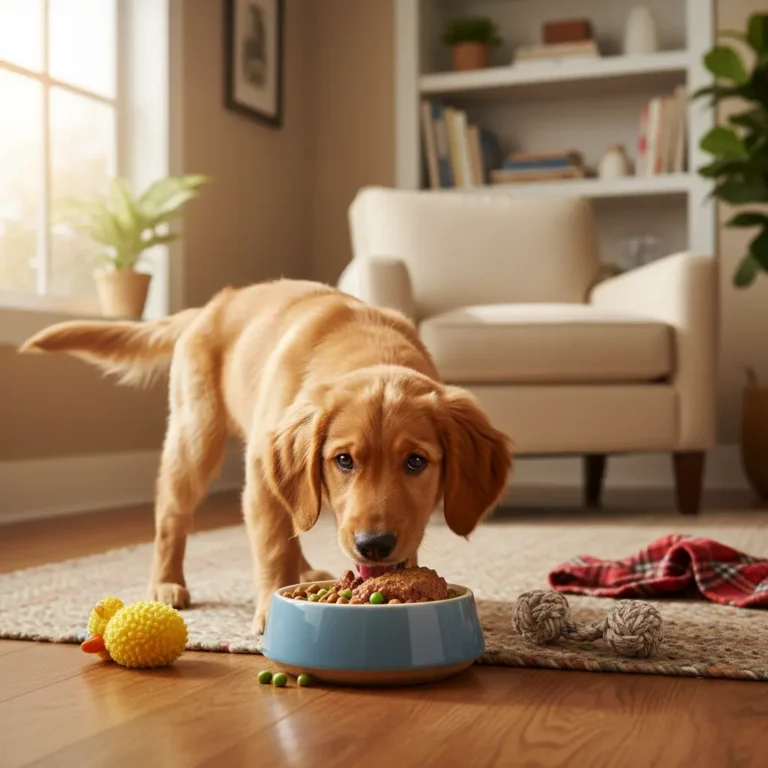
What you put in your puppy’s bowl matters. Growing bodies need specific nutrients to develop strong bones, healthy teeth, and a shiny coat.
Always choose a high-quality food specifically labeled for puppies. Adult dog food does not have the right balance of calcium and protein for a growing dog. If you are unsure which brand to choose, your veterinarian can provide excellent recommendations based on your dog’s breed and size.
Feeding Guidelines:
- 8–12 weeks: 4 meals a day.
- 3–6 months: 3 meals a day.
- 6–12 months: 2 meals a day.
Always provide fresh water. Hydration is just as important as food, especially after a heavy play session.
Puppy Training at Home
Training isn’t just about teaching your dog tricks; it is about communication. When you start puppy training at home, you are building a language that you both understand.
Potty Training Basics
This is usually the biggest challenge for new owners. The golden rule of potty training is supervision. If you can’t watch your puppy, they should be in a safe, confined space like a crate or a playpen.
- Take them out often: Every hour, plus after eating, sleeping, or playing.
- Pick a spot: Go to the same spot outside every time. The scent will remind them why they are there.
- Celebrate the wins: When they go potty outside, praise them immediately. Use a happy voice or give a small treat. Make it a party.
Basic Commands
Start with simple commands like “Sit,” “Stay,” and “Come.” Keep training sessions short—about 5 minutes is plenty. Puppies have short attention spans. If you train for too long, they will get bored and frustrated.
Always use positive reinforcement. This means rewarding good behavior rather than punishing bad behavior. If your puppy sits when asked, give them a treat. If they jump up, ignore them until all four paws are on the floor.
Socialization
Socialization is about exposing your puppy to the world in a positive way. It’s not just about meeting other dogs. It’s about hearing traffic noises, meeting people in hats, walking on different surfaces, and seeing bicycles.
Ideally, you want to introduce them to these new experiences before they are 16 weeks old. However, be careful with public places until they are fully vaccinated.
Health and Grooming Essentials
Part of learning how to care for a puppy involves keeping them physically healthy and clean. You don’t need to be a professional groomer, but you do need to handle the basics.
Veterinary Care
Find a vet you trust early on. You will be seeing them frequently for the first few months.
- Vaccinations: Puppies need a series of shots to protect against diseases like Parvovirus and Distemper. Stick to the schedule your vet provides.
- Parasite Prevention: Fleas, ticks, and worms are common but preventable. Keep your puppy on a regular preventative medication.
Grooming at Home
Even if you have a short-haired dog, grooming is a great bonding activity.
- Brushing: Brushing once or twice a week removes loose fur and dirt. It also gets your puppy used to being handled.
- Nail Trimming: Long nails can be painful. If you can hear them clicking on the floor, they are too long. If you are nervous about cutting them yourself, ask your vet to show you how.
- Teeth Cleaning: Dental health is often overlooked. Start brushing your puppy’s teeth early so they get used to the sensation.
Exercise and Play
A tired puppy is a good puppy. Exercise prevents boredom, which is the root cause of many destructive behaviors like chewing furniture or digging.
However, be mindful of their growing joints. You shouldn’t take a young puppy for a five-mile run. A good rule of thumb is 5 minutes of exercise per month of age, twice a day. So, a 3-month-old puppy needs about 15 minutes of structured exercise at a time.
Mental exercise is just as tiring as physical exercise. Puzzle toys, hide-and-seek games, and training sessions are great ways to burn off energy without overworking their bodies.
Final Thoughts
Raising a puppy is a journey filled with ups and downs. There will be days when you clean up three accidents before breakfast and wonder what you got yourself into. But there will also be days when they snuggle up to you on the couch, look you in the eye, and you know you have made a friend for life.
Be patient with yourself and your puppy. You are both learning. Consistency, love, and a sense of humor will get you through the tough parts.
If you are looking for more in-depth advice on keeping your new companion healthy and happy, visit us at Dog Wellness Hub. We are here to support you every step of the way.
Frequently Asked Questions
How long can I leave my puppy alone?
Generally, puppies can hold their bladder for one hour for every month of age. So, a two-month-old puppy shouldn’t be left alone for more than two hours. It is best to avoid leaving them alone for long periods during the first few weeks.
When should I switch from puppy food to adult food?
This depends on the breed size. Small breeds usually switch around 10–12 months, while large breeds may need puppy food until they are 18–24 months old to support their bone growth. Always consult your vet before switching.
My puppy is biting everything. How do I stop it?
Teething is normal. When your puppy bites, redirect them to an appropriate chew toy. If they bite your hand, make a high-pitched “ouch” sound and stop playing for a moment. This teaches them that biting stops the fun.
Is it safe to take my puppy outside before vaccinations are done?
You can take them into your own private backyard. However, avoid public dog parks or areas with high dog traffic until they are fully vaccinated to protect them from serious illnesses like Parvovirus.
About The Author