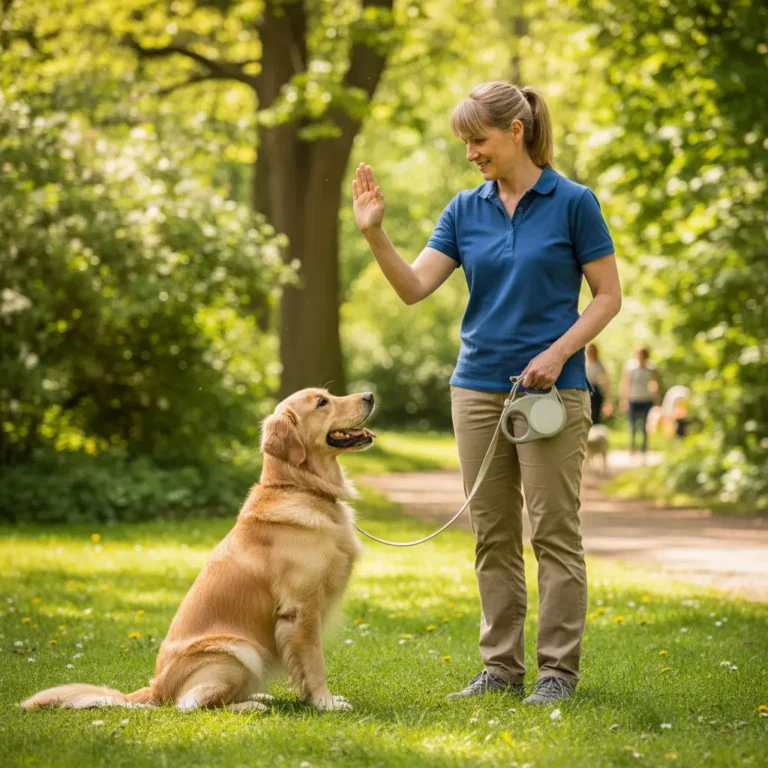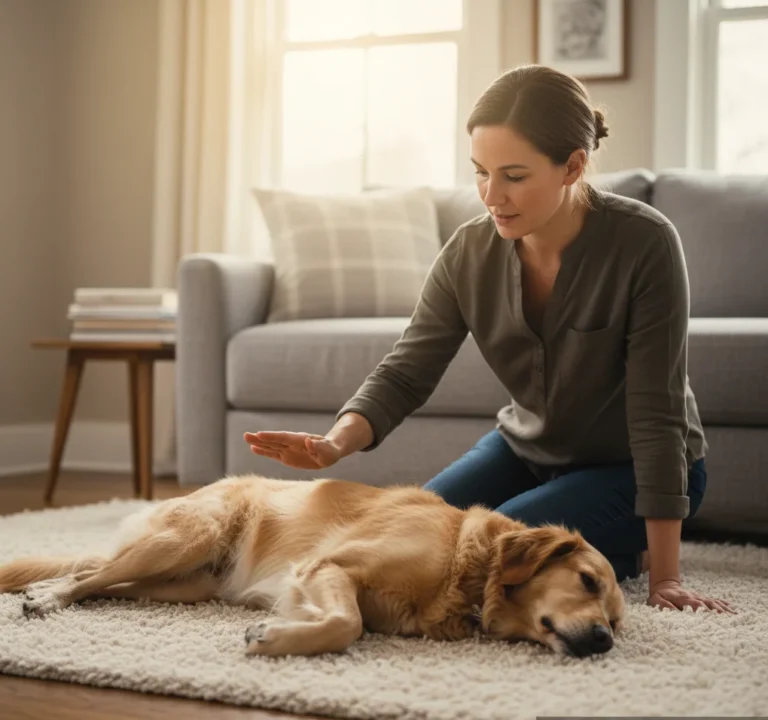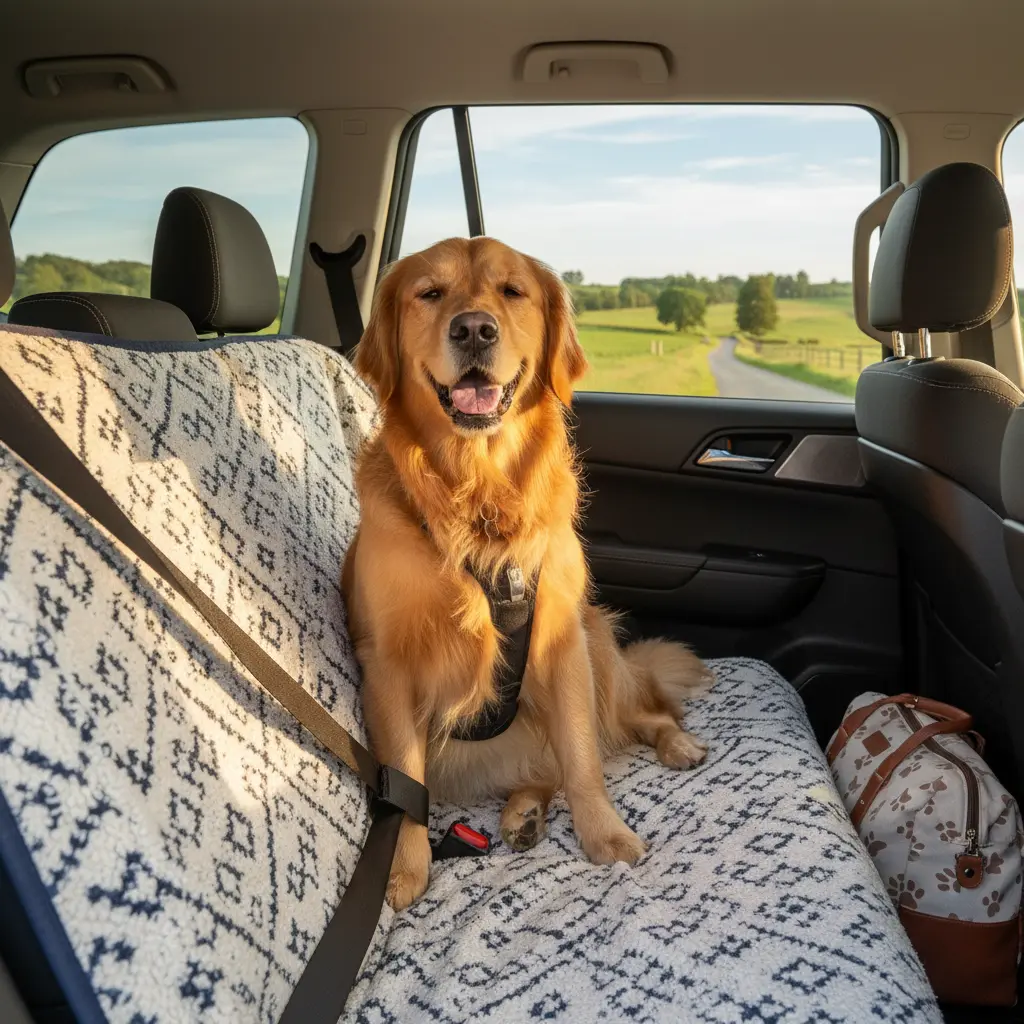
Taking a vacation is great, but the thought of leaving your dog behind can be tough. The good news is that you don’t always have to make that choice. With a bit of planning, traveling with your dog can be a fantastic experience for both of you. Seeing new places through their excited eyes adds a special kind of joy to any trip, whether you’re hiking a mountain trail or just exploring a new city park.
But let’s be honest: it can also be stressful. Where will they sleep? What if they get anxious in the car? How do you even handle the logistics of getting them on a plane?
This guide is here to walk you through it. We will share practical dog travel tips to help you prepare for a smooth and comfortable journey. From road trips to air travel, we’ve got you covered so you can focus on making memories with your best friend.
Before You Go: The Preparation Phase
A successful trip with your dog starts long before you pack your bags. While spontaneity is fun for us humans, dogs thrive on routine and predictability. Getting a few key things in order first will prevent a lot of headaches later on.
Health and Safety First
Your dog’s health is the top priority. A visit to the vet should be your very first step, especially if you’re crossing state lines or flying. Different locations have different risks, such as ticks or regional diseases, so it’s best to be prepared.
- Schedule a Vet Check-Up: A few weeks before your trip, see your vet for a general check-up. This ensures your dog is healthy enough for travel and up-to-date on all vaccinations. Ask about specific preventative meds for the area you are visiting.
- Get Your Paperwork in Order: If flying, you’ll need a recent health certificate (often issued within 10 days of travel). It’s also wise to have hard copies of their vaccination records, specifically rabies, even for car travel.
- Update ID Tags: Double-check that your dog’s ID tags have your current phone number. Consider adding a temporary tag with the address of your destination or your cell number explicitly labeled as “On Vacation.”
- Microchipping: If your dog isn’t microchipped, now is the time. It is a crucial safety net in case you get separated in an unfamiliar place.
Acclimate Your Dog to Travel Gear
The time to introduce a new travel crate is not the morning of your flight or the moment you pack the car. If the carrier is new, it can be scary. Help your dog see their crate or carrier as a safe space well in advance.
- Introduce the Crate Early: Place the crate in your living room with the door open. Toss high-value treats inside and put their favorite blanket in it. Let them explore it on their own terms without closing the door at first.
- Start with Short Trips: Once they are comfortable with the crate, start with short car rides to fun places, like the park or a trail. This helps them associate the car and crate with positive experiences, not just a trip to the vet.
- Practice “Settling”: Work on commands like “place” or “settle” on a specific travel mat. This portable “safe spot” can be a lifesaver in a hotel room or a busy outdoor cafe.
On the Road: Tips for Car Travel
Road trips are often the easiest way to travel with a dog. You have complete control over the environment, the temperature, and the schedule. You can take breaks whenever needed, and your dog stays close to you. The key is making the car a safe and comfortable space for them.
Secure Your Dog Safely
An unrestrained dog in a moving car is a danger to everyone. In a sudden stop or collision, they can become a projectile, harming themselves and the passengers.
- Use a Crate or Harness: The safest way for a dog to travel in a car is in a well-ventilated, secured crate that is strapped down. If a crate isn’t an option for your vehicle size, a crash-tested dog seatbelt or car harness is the next best thing.
- Never Let Them Ride in the Front Seat: Airbags are designed for human adults and can be fatal to dogs, even in a minor accident. The back seat is always the safest place for them.
- Keep Heads Inside the Vehicle: It looks fun in movies, but letting your dog hang their head out the window risks injury from flying debris (like rocks or bugs) and can damage their eyes. Crack the window for fresh air and smells, but not enough for them to stick their head out.
Packing the Essentials for a Road Trip
Think of it as packing a diaper bag for your dog. Having everything you need within arm’s reach makes the journey much smoother and prevents scrambling at rest stops.
- Water and a Bowl: Dehydration can happen quickly, especially in a warm car. Bring a collapsible bowl and a large jug of water from home (sometimes different tap water can upset sensitive stomachs).
- Food and Treats: Stick to their regular food to avoid an upset stomach. Pre-portion meals into bags to save space.
- Leash and Poop Bags: You’ll need these for every stop. Keep them in the door pocket or glove box.
- Favorite Toys and Blanket: Familiar smells are comforting. A blanket that smells like home can reduce anxiety significantly.
- First-Aid Kit: Include basics like antiseptic wipes, bandages, tweezers (for ticks), and any medications your dog takes.
Plan to stop every 2-3 hours for a potty break and a chance to stretch their legs. And remember the most important rule of car travel: never, ever leave your dog alone in a parked car. Temperatures can skyrocket in minutes, even on mild days.
Flying with Your Dog: Navigating the Skies
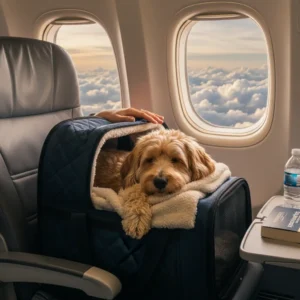
Air travel requires significantly more research and stricter planning than driving. Every airline has its own set of rules for traveling with dogs, so your very first step is to check their specific policies before buying a ticket.
In-Cabin vs. Cargo
How your dog flies depends almost entirely on its size.
- In-Cabin: Small dogs are often allowed to fly in the cabin with you. They must stay in an airline-approved carrier that fits under the seat in front of you. There is usually a fee (often around $100-$125 each way), and airlines limit the number of pets per flight, so you must book early.
- Cargo: Larger dogs must travel as checked baggage or cargo. This can be stressful for dogs and owners alike. If this is your only option, choose a direct, non-stop flight to minimize their time in the hold and reduce the risk of mishandling during transfers. Avoid flying during extreme heat or cold, as airlines may restrict pet travel during these times for safety.
Preparing for the Flight
Knowing how to travel with a dog on a plane involves careful preparation to ensure they are allowed on board and remain calm.
- Book Well in Advance: Contact the airline directly to book your dog’s spot. Don’t assume you can just show up with them.
- Choose the Right Carrier: Make sure your carrier meets the airline’s size and ventilation requirements. Label it clearly with your name, contact information, and a “Live Animal” sticker.
- Feeding and Hydration: Feed your dog a light meal about four hours before the flight. You can offer them small amounts of water until you board. It’s best to avoid giving them a large meal right before travel to prevent nausea.
- Burn Off Energy: Take your dog for a long walk or play session before heading to the airport. A tired dog is a calm dog.
For detailed regulations on importing pets or flying internationally, always refer to the USDA APHIS Pet Travel website, which provides official government guidance.
Finding Pet-Friendly Accommodation
Finding a place to stay is easier than ever, but “pet-friendly” can mean different things to different hotels.
Questions to Ask Before Booking
Don’t rely solely on a website filter. Call the hotel or rental host to clarify:
- Are there breed or size restrictions? Some hotels only allow dogs under 25 lbs.
- Is there a pet fee? This can range from a small nightly fee to a large non-refundable deposit.
- Can the dog be left unattended in the room? Most hotels forbid this, meaning if you go out for dinner, your dog has to come too, or you need a sitter.
- Where are the relief areas? Is there grass nearby, or is it a concrete jungle?
Hotel Etiquette
Be a good ambassador for dog owners everywhere.
- Bring a Sheet: Cover the hotel bedding with your own sheet or blanket to keep fur off the furniture.
- Keep it Quiet: If your dog barks at hallway noises, try to get a room at the end of the hall, away from the elevators.
- Clean Up: This goes without saying, but always pick up after your dog immediately.
Once You Arrive: Settling In
You’ve reached your destination! The final piece of the puzzle is helping your dog settle into the new environment so they can relax.
Immediate Needs
- Find a Potty Spot: The first thing you should do upon arrival is take your dog out for a potty break. Show them where it is acceptable to go.
- Set Up Their Space: Designate a corner of the room for their bed, food, and water bowls. Having their familiar things set up immediately will help them feel at home.
- Stick to Their Routine: As much as possible, stick to their regular feeding and walking schedule. This consistency provides a sense of normalcy in an unfamiliar place.
Exploring Safely
When you are out exploring new trails or cities, keep your dog on a leash. Even well-behaved dogs can get spooked in new environments or chase after local wildlife. Check local leash laws, as they vary widely from beach to beach and park to park.
Final Thoughts
Traveling with your dog can create some of life’s best memories. It takes a little extra work, but the payoff of having your loyal companion by your side is more than worth it. With the right preparation, you can ensure the journey is comfortable and safe for them, and stress-free for you.
Remember to pack your patience along with the treats. Travel can be unpredictable, but if you stay calm, your dog likely will too.
Ready to plan your next adventure? At Dog Wellness Hub, we offer more resources and guides to help you and your dog live your best lives together, whether at home or on the road. Check out our other articles for more tips on dog care and nutrition.
Frequently Asked Questions
Should I sedate my dog for travel?
Most veterinarians advise against sedation for air travel because it can affect breathing and balance at high altitudes. Always consult your vet first; they might suggest natural calming alternatives instead.
What if my dog gets carsick?
Keep the car cool, crack a window for fresh air, and face them forward. Avoid feeding a heavy meal right before the drive. If they are prone to sickness, ask your vet about medication.
How do I find a pet-friendly hotel?
Use travel apps with pet filters, but always call to confirm. Policies on weight limits and fees can change, so speaking to the front desk is the safest bet.
About The Author