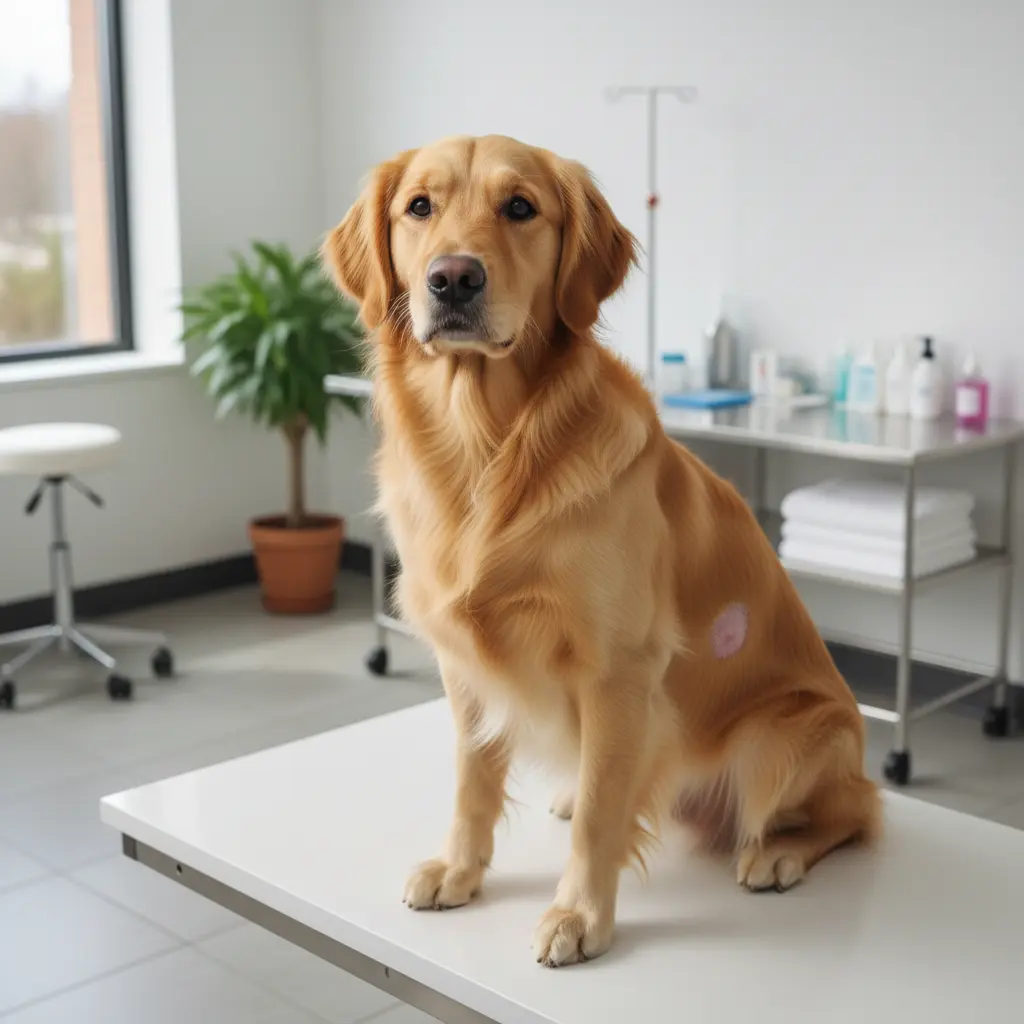
Finding a weird spot on your dog’s skin can send any pet parent into a bit of a panic. You’re petting them, everything seems normal, and then your fingers brush against a patch of crusty skin or a bald spot that wasn’t there last week. Your mind starts racing. Is it allergies? A bug bite? Or could it be ringworm?
Despite the creepy name, ringworm isn’t actually a worm at all. It’s a fungus, and it’s surprisingly common. But just because it’s common doesn’t mean it isn’t annoying and highly contagious. If you suspect your furry friend might have picked up this fungal hitchhiker, you need to know exactly what you’re looking for so you can get them help fast.
This guide offers a simple, straightforward look into understanding ringworm in dogs—what it looks like, where it comes from, and how to get rid of it for good.
What Exactly Is Ringworm?
Before we dive into symptoms, let’s clear up the biggest misconception. Ringworm, medically known as dermatophytosis, is a fungal infection of the skin, hair, and sometimes the claws. It belongs to a group of fungi called dermatophytes, which feed on keratin, the protein found in the outer layers of skin, hair, and nails.
Think of it like athlete’s foot in humans. It thrives in the superficial layers of the skin and hair follicles. The name “ringworm” comes from the fact that, in humans, the infection often causes a red, circular rash that looks like a coiled-up worm. In dogs, however, it doesn’t always form that perfect ring, which can make it tricky to spot if you don’t know the other signs.
What Does Ringworm Look Like on a Dog?
Identifying ringworm can be tough because it mimics other skin conditions like mange, bacterial infections, or allergic reactions. However, there are some classic signs that should raise a red flag. The appearance can vary depending on your dog’s breed, coat type, and immune system, but here are the most common visual symptoms.
Circular Areas of Hair Loss (Alopecia)
This is the hallmark sign. You might notice small, round patches where the hair has fallen out or broken off close to the skin. These patches can appear anywhere but are most frequently found on the:
- Head
- Ears
- Paws
- Front legs
The hair loss often looks patchy and uneven, not like a clean shave.
Scaly or Crusty Skin
The skin in the center of these bald patches often looks different from healthy skin. It might appear grey and scaly, or flaky, almost like dandruff. Sometimes, a yellowish or brownish crust forms over the spot, making it feel rough to the touch.
Redness and Inflammation
While the classic “ring” isn’t always visible on dogs because of their fur, the skin is often inflamed. The edges of the lesion might be red and slightly raised, while the center looks a bit flatter and paler. This can sometimes give it a target-like appearance.
Brittle or Broken Claws
If the fungus infects the claws (a condition called onychomycosis), they can become rough, brittle, and prone to breaking or splintering. You might notice your dog licking their paws more than usual if this happens, as the nail bed can become inflamed and sore.
Acne-like Bumps
Sometimes, ringworm presents as small, raised bumps (pustules) that look a bit like pimples or a rash. These bumps can ooze if scratched or irritated by the dog, leading to secondary bacterial infections.
Important Note: Not all dogs show symptoms. Some dogs are “asymptomatic carriers,” meaning they have the fungus on their coat and can spread it to other pets or people without ever looking sick themselves.
Why Did My Dog Get Ringworm? The Causes
You might be wondering, “My dog is clean and healthy. How did this happen?” The truth is, ringworm is highly contagious. The fungal spores are incredibly tough and can survive in the environment for months—sometimes up to 18 months under the right conditions.
Here are the main ways dogs catch it:
- Direct Contact: Playing with an infected dog or cat is the most common route. If your dog goes to daycare, the dog park, or a groomer, their risk of exposure is higher.
- Contaminated Objects: Because the spores live so long, your dog can pick it up from infected bedding, brushes, clippers, carpets, or even furniture.
- Soil: Some species of ringworm fungi live naturally in the soil. If your dog loves to dig in the dirt, they might pick it up from the backyard.
Who Is Most at Risk?
While any dog can get ringworm, some are more susceptible than others. The fungus is opportunistic and preys on weaker immune systems.
- Puppies: Their immune systems are not fully developed yet.
- Senior Dogs: Older dogs often have weaker immune defenses.
- Immunocompromised Dogs: Dogs with underlying health issues or those on medications like steroids are easier targets for the fungus.
- High-Stress Environments: Dogs in shelters or kennels are often under high stress and in close quarters, creating a perfect storm for fungal spread.
How Do Vets Diagnose Ringworm?
If you spot a suspicious patch, avoid the temptation to guess. You need a vet to confirm it. Since ringworm looks so much like other skin issues, treating it with the wrong medication (like a steroid cream) can actually suppress the immune response and make the fungus grow faster.
Your vet will likely use one of these methods for diagnosis:
The Wood’s Lamp Exam
This is often the first step. The vet shines a special ultraviolet light (a Wood’s lamp) onto your dog’s coat in a dark room. Some species of ringworm fungus (specifically Microsporum canis) will glow a fluorescent apple-green color under the light. The downside? Only about 50% of ringworm strains glow, so a negative test doesn’t rule it out.
Microscopic Examination (Trichogram)
The vet may pluck a few hairs from the edge of the lesion and examine them under a microscope. They look for visible fungal spores attached to the hair shafts. This can provide a quick clue but isn’t always definitive.
Fungal Culture (The Gold Standard)
This is the most accurate test. The vet takes hair or skin scrapings and places them in a special culture medium in a lab. They watch it for a few weeks to see if the fungus grows. This test confirms the presence of ringworm and identifies the exact species, which can help guide treatment. The main drawback is that results can take 10 to 14 days, or sometimes longer.
PCR Testing
Newer technology allows vets to test for fungal DNA from a sample. This method is much faster than a culture, with results often available in a few days, but it can be more expensive.
Treating Ringworm: How to Banish the Fungus

Once the diagnosis is confirmed, it’s time to treat. The goal is to kill the fungus on your dog and prevent it from spreading to you or other pets. Treatment usually involves a “three-pronged” approach for the best results.
1. Topical Treatment
This treats the hair and skin directly to kill spores on the surface.
- Medicated Shampoos: Your vet will likely prescribe a shampoo containing ingredients like miconazole or chlorhexidine. You’ll usually need to bathe your dog twice a week, letting the lather sit for 10 minutes before rinsing.
- Ointments/Creams: For small, localized patches, an antifungal cream might be enough.
- Lime Sulfur Dip: This solution smells like rotten eggs and can stain everything yellow, but it is incredibly effective and often used for widespread or stubborn cases.
2. Oral Medication
If the infection is widespread or has infected the claws, topical treatments alone won’t be enough. Your vet may prescribe oral antifungal medications, such as:
- Griseofulvin
- Itraconazole
- Terbinafine
These medications must be given for at least six weeks, and sometimes longer. Never stop the medication early just because the skin looks better—the fungus might still be active microscopically, and stopping too soon will lead to a relapse.
3. Environmental Cleaning
This is the part nobody likes, but it is crucial. Remember those long-lasting spores? You have to clean your house thoroughly to stop reinfection.
- Vacuum Daily: Vacuum carpets, furniture, and any areas your dog frequents. Dispose of the vacuum bag immediately in an outdoor trash can.
- Wash Bedding: Wash all dog bedding, blankets, and soft toys in hot water with a bleach solution (if fabric-safe) or a special anti-fungal laundry detergent.
- Disinfect Surfaces: Use a diluted bleach solution (1 part bleach to 10 parts water) or a veterinary-grade disinfectant on hard surfaces like floors, crates, and grooming tools.
Can Humans Catch Ringworm from Dogs?
Yes, absolutely. Ringworm is a zoonotic disease, meaning it can jump between species. The Centers for Disease Control and Prevention (CDC) warns that people can get ringworm from touching an infected animal.
If your dog has ringworm:
- Wash your hands thoroughly after handling them.
- Avoid letting your dog sleep in your bed while they are undergoing treatment.
- If you notice red, itchy, ring-shaped rashes on your own skin, see your doctor.
Recovery and Prevention
The good news is that ringworm is very treatable. With the right medication and cleaning regimen, most dogs stop being contagious within a few weeks, though full treatment often lasts a month or two to ensure the infection is completely gone.
To prevent it from coming back:
- Keep your dog’s bedding and living areas clean.
- Groom your dog regularly to spot skin issues early.
- Avoid contact with unfamiliar animals that have visible skin infections.
- Support your dog’s immune system with good nutrition and a low-stress environment.
Final Thoughts
Seeing a bald patch on your dog is stressful, but ringworm doesn’t have to be a nightmare. It’s just a stubborn fungus that needs a consistent plan of attack. By recognizing the symptoms early—those circular patches, crusty skin, and brittle claws—you can get your vet involved quickly. The faster you start treatment, the faster you can stop the itch and get back to snuggles (without worrying about catching a fungus!).
If you suspect your dog has a skin issue, don’t wait. Contact your veterinarian today for an accurate diagnosis and a personalized treatment plan.
Frequently Asked Questions (FAQs)
1. Is ringworm itchy for dogs?
Not always. Unlike mange or flea allergies which cause intense itching, ringworm can be surprisingly non-itchy for some dogs. However, if the skin becomes inflamed or gets a secondary bacterial infection, it can become uncomfortable.
2. How long does ringworm last in dogs?
Without treatment, ringworm can persist for months and will continue to spread. With proper veterinary treatment, most dogs recover within 6 to 10 weeks, but you must continue until your vet confirms the fungus is gone.
3. Can I treat ringworm at home with over-the-counter creams?
It is not recommended to treat your dog without a vet’s diagnosis. You might be treating the wrong thing, and human antifungal creams may not be effective or safe if licked by your dog.
4. Do I need to shave my dog if they have ringworm?
Sometimes. For long-haired breeds or severe infections, your vet might recommend clipping the hair around the lesions—or even a full-body shave—to help topical medications work better and reduce the shedding of infected hairs.
Disclaimer: The information provided in this article is for educational and informational purposes only and is not intended as veterinary or professional advice. Always consult with a licensed veterinarian regarding your pet’s health.
About The Author