We all love those quiet moments snuggling up with our dogs on the couch. But sometimes, as you run your hand through their fur, you might notice something that makes you pause: white flakes. Suddenly, those black leggings you’re wearing look a bit dusty, and you realize your dog has dandruff.
It’s easy to worry when we see anything “off” with our pets. Is it a skin infection? Are they sick? Did I use the wrong shampoo?
Take a deep breath. Just like humans, dogs can get dandruff. While those pesky white flakes—technically known as seborrhea—are a signal that something is happening with your pup’s skin health, it is rarely a sign of a serious emergency. Often, it’s just a matter of dry air, a nutritional gap, or a grooming routine that needs a little tweaking.
In this guide, we are going to walk through exactly why your dog might have flaky skin, what you can do about it right at home, and when it’s actually time to call the vet. We’ll keep things simple, practical, and focused on getting your dog’s coat back to looking shiny and healthy.
Understanding Dog Dandruff: What Is It Really?
Before we start trying to fix the problem, it helps to understand what is actually happening on your dog’s skin.
Your dog’s skin is an amazing organ that is constantly renewing itself. Old skin cells die and flake off to make room for new, healthy ones. This is a totally normal process that happens every day, usually without you even noticing.
However, when this process speeds up or goes a bit haywire, you start seeing those visible flakes. The sebaceous glands, which produce the oils that protect the skin, might be overproducing or underproducing.
Veterinarians generally categorize this into two main types:
- Dry Seborrhea (Seborrhea Sicca): This is what most of us think of as standard dandruff. The skin feels dry and tight, and it sheds white, dusty flakes that sit on top of the fur.
- Oily Seborrhea (Seborrhea Oleosa): This happens when the skin produces too much oil (sebum). The flakes might look yellow and feel greasy to the touch. Your dog might also have a distinct, somewhat unpleasant odor.
Most dogs experience a combination of both, but understanding the difference can help you figure out if you need to add moisture or help balance oil production.
Common Causes of Dry, Flaky Skin
So, why is this happening to your dog right now? There isn’t usually just one answer. It is often a combination of environmental factors and health habits. Let’s look at the most common culprits.
1. Environmental Factors
Just like your skin might get dry and cracked in the winter, your dog’s skin reacts to the environment around them.
- Low Humidity: During the winter months, our heating systems run constantly, drying out the air inside our homes. This saps moisture directly from your dog’s skin, leading to itchiness and flaking.
- Seasonal Shedding: When dogs “blow their coats” (usually in the spring and fall), the rapid loss of hair can sometimes irritate the skin. The dead hair can trap dead skin cells, bringing them to the surface all at once.
2. Allergies
Allergies are a massive trigger for skin issues in dogs. If your dog is scratching constantly along with having dandruff, an allergy is a very likely culprit.
- Food Allergies: Reactions to common protein sources like chicken, beef, or dairy often show up as skin problems rather than stomach issues.
- Environmental Allergens: Pollen, dust mites, and grass can cause contact dermatitis. This leads to red, dry, flaky, and itchy skin, especially on the belly and paws.
3. Nutritional Deficiencies
Your dog’s diet plays a huge role in the quality of their coat. The skin uses a lot of nutrients to stay healthy. If they aren’t getting the right balance, their skin is often the first place to show it.
- Lack of Fatty Acids: Omega-3 and Omega-6 fatty acids are essential for keeping the skin barrier hydrated. Many budget dog foods meet the minimum requirements for survival but may not have enough quality fats for optimal skin health.
- Water Intake: Hydration matters. If your dog isn’t drinking enough water, their skin will become dehydrated from the inside out.
4. Improper Grooming Habits
Sometimes, we accidentally cause the problem while trying to keep our dogs clean.
- Over-bathing: Washing your dog too often strips away the natural oils that protect their skin. Unless your vet says otherwise, most dogs only need a bath once a month.
- Wrong Shampoo: Human skin is more acidic than dog skin. Using your own shampoo on your dog can disrupt their skin’s “acid mantle,” which is a protective barrier. This leads to immediate dryness and irritation.
Health Conditions Linked to Dandruff
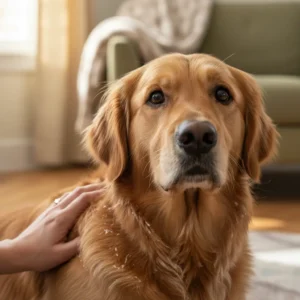
While environment and diet are the most common causes, persistent dandruff can sometimes signal an underlying health issue. It’s important to be aware of these so you don’t overlook something that needs medical attention.
Parasites
External parasites are irritating and damage the skin barrier.
- Cheyletiella Mites: These are often called “walking dandruff.” If you look closely, the white flakes might actually be moving. These are mites living on the skin surface and are highly contagious.
- Fleas and Ticks: The irritation from bites causes dogs to scratch and bite their skin. This mechanical damage leads to flaking, scabbing, and hot spots.
Infections
Bacterial and fungal infections can cause the skin to crust and flake.
- Yeast Infections: Often found in ears or paw pads, yeast can also spread to the body, causing greasy, smelly, and flaky skin.
- Ringworm: Despite the name, this is a fungus, not a worm. It typically causes circular patches of hair loss accompanied by scaly skin.
Hormonal Imbalances
Hormones regulate oil production and overall skin health.
- Hypothyroidism: An underactive thyroid is common in older dogs. It can cause the skin to become dry and the coat to become dull and brittle.
- Cushing’s Disease: This condition involves too much cortisol in the body. Symptoms often include thinning skin, hair loss, and dandruff.
How to Treat Dog Dandruff at Home
If your dog seems happy and healthy other than the flakes—meaning they are eating well, playing, and not scratching themselves raw—you can try several home remedies to soothe their skin.
Upgrade Their Diet
Food is medicine. Improving what goes into your dog’s bowl can have a dramatic effect on their coat quality within a few weeks.
- Add Omega-3s: You can buy fish oil supplements specifically for dogs. Alternatively, adding a little bit of sardines (packed in water, not oil) to their meal once a week can provide a healthy boost of fatty acids.
- Switch to High-Quality Food: Look for dog foods where a named meat (like “Chicken” or “Salmon”) is the first ingredient, rather than generic fillers like corn or soy, which offer less nutritional value for the skin.
Proper Grooming Techniques
Changing how you groom your dog can stop the flakes from accumulating.
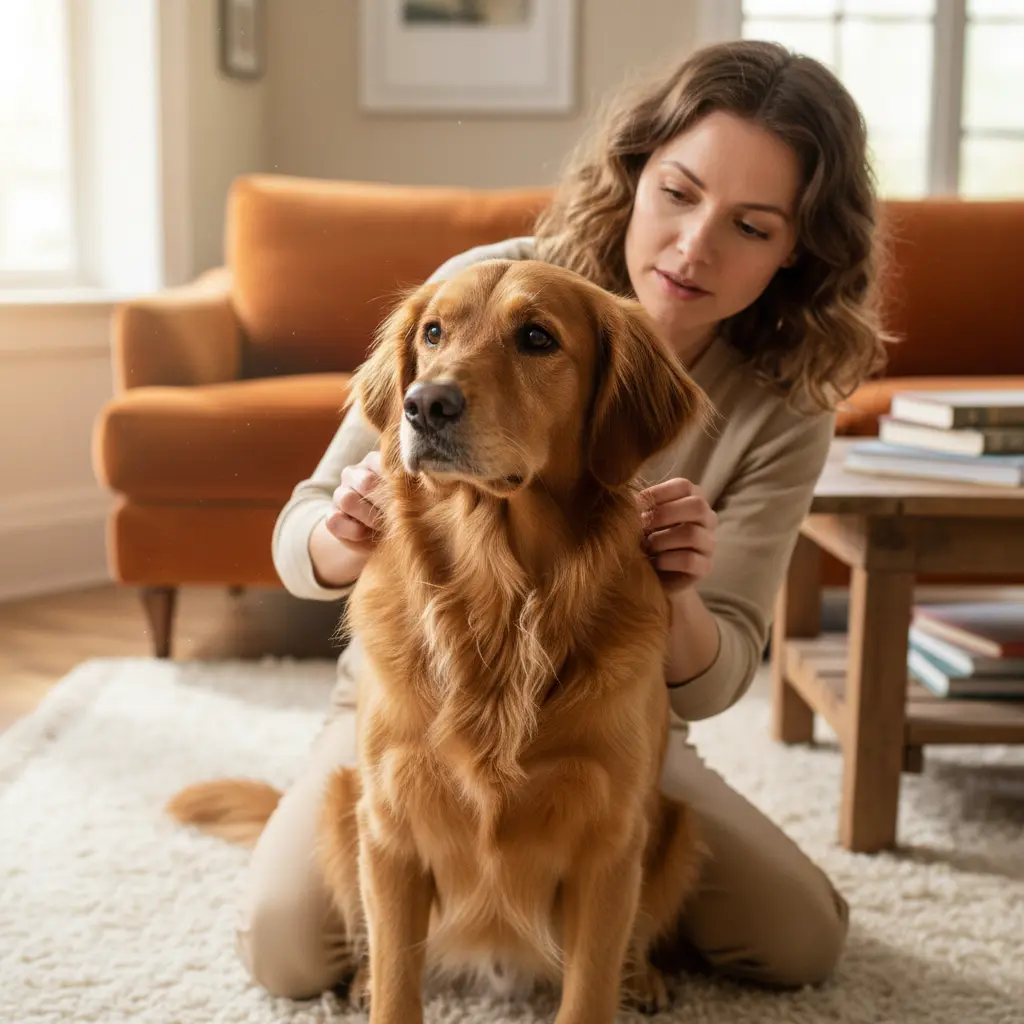
- Brush Regularly: Brushing performs two vital functions. First, it physically removes dead hair and skin cells before they pile up into visible flakes. Second, it distributes the natural oils from the skin down the hair shaft, moisturizing the coat naturally.
- Use a Humidifier: If your home is dry, running a humidifier near your dog’s bed can help keep their skin hydrated while they sleep. This is especially helpful in winter.
- Oatmeal Baths: Colloidal oatmeal is fantastic for soothing itchy, dry skin. You can buy shampoos with oatmeal or make a simple soak by grinding plain oats into a fine powder and adding it to warm bathwater.
Hydration is Key
Water flushes out toxins and keeps cells plump. Make sure your dog has access to fresh water at all times.
If they are reluctant drinkers, try adding a splash of bone broth (ensure it has no onions, garlic, or excessive sodium) to their water bowl to encourage them to drink more. Alternatively, switching from dry kibble to wet food can increase their water intake significantly.
Choosing the Right Shampoo
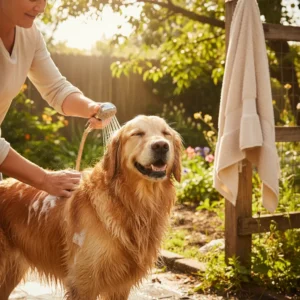
Not all dog shampoos are created equal. If your dog has dandruff, avoid generic “cleaning” shampoos and look for specific ingredients that help repair the skin.
- Moisturizing Shampoos: Look for ingredients like aloe vera, oatmeal, or almond oil. These ingredients soothe inflammation and trap moisture.
- Medicated Shampoos: If the dandruff is severe or caused by yeast, you may need a shampoo containing ingredients like sulfur, salicylic acid, or benzoyl peroxide.
Note: Always consult your vet before using medicated shampoos, as they can be drying if used incorrectly or too frequently.
When to See a Veterinarian
While a little dandruff is usually nothing to panic about, there are times when home remedies aren’t enough. You should book a vet visit if you notice:
- Severe Itching: If your dog is scratching to the point of bleeding or keeping you up at night, they need relief immediately.
- A Bad Smell: A yeasty or foul odor usually indicates a bacterial or fungal infection that requires prescription medication.
- Hair Loss: Bald patches alongside dandruff suggest parasites or hormonal issues like Cushing’s.
- Redness or Sores: This indicates inflammation that needs medical treatment to prevent infection.
- Lethargy or Changes in Appetite: If your dog seems sick in other ways, the dandruff is likely just a symptom of a larger illness.
Your veterinarian can perform skin scrapings to check for mites or blood tests to rule out thyroid issues. For reliable information on animal health and diseases, you can refer to the American Veterinary Medical Association (AVMA) resources.
Prevention: Keeping the Flakes Away
Once you have cleared up the dandruff, you want to keep it gone. Here is a simple maintenance checklist for a healthy coat year-round:
- Brush Daily or Weekly: Depending on your dog’s coat type, regular brushing is the best defense against buildup.
- Stick to a Schedule: Don’t bathe your dog too often. Once a month is usually plenty for most breeds.
- Monitor Diet: Keep them on high-quality food and watch for any reactions to new treats.
- Parasite Prevention: Keep up with monthly flea and tick preventatives all year round, not just in summer.
Conclusion
Seeing dandruff on your dog is a nuisance, but it is rarely a life-long problem. By paying attention to their environment, grooming habits, and diet, you can solve most cases of dry skin right at home.
Remember, your dog’s coat is a reflection of their overall health. When they are eating well, hydrated, and feeling good, their fur will usually show it. Start with the simple changes: add some moisture to the air, upgrade their food, and brush them regularly. If the flakes persist, your vet is your best partner in finding the cure.
Is your dog’s coat ready for a glow-up? Explore our blog of wellness guides at Dog Wellness Hub to keep your furry friend happy, healthy, and flake-free.
Frequently Asked Questions (FAQs)
Q: Can I use human dandruff shampoo on my dog?
A: No, human skin is more acidic than dog skin, so using products like Head & Shoulders can disrupt your dog’s skin barrier and make the dandruff worse.
Q: Is dog dandruff contagious to humans?
A: Regular dry skin dandruff is not contagious, but “walking dandruff” (mites) or ringworm (fungus) can be transmitted to humans, so wash your hands after handling your pet.
Q: Does olive oil help with dog dandruff?
A: Olive oil can help, but fish oil is generally better because it contains higher levels of the specific Omega-3 fatty acids that canine skin needs to repair itself.
Q: Why does my puppy have dandruff?
A: Puppies often get dandruff because their oil glands are still developing, but it can also be a sign of intestinal worms or mites, so check with your vet.
Q: Can stress cause dandruff in dogs?
A: Yes, acute stress (like a vet visit) or chronic stress can trigger shedding and affect the immune system, leading to dry, flaky skin.
About The Author