
Dogs Broken Tail problems can worry any dog owner, especially when your pup suddenly stops wagging, cries when touched, or holds the tail in an odd way. A dog’s tail does more than show happiness — it helps with balance, body language, and everyday movement. So when the tail looks sore, limp, swollen, or injured, it is worth paying attention and learning what may be going on.
In this article, we’ll look at the common reasons dogs hurt their tails, the signs owners usually notice first, and what a veterinarian may suggest for treatment and recovery.
Understanding Your Dog’s Tail Anatomy
A dog’s tail may look simple from the outside, but there is a lot going on under the fur. It connects to the back end of the spine and contains a row of small tail bones, known as vertebrae. The number of these bones can vary by breed, with some dogs having only a few and others having many more. Around those bones are muscles, blood vessels, and sensitive nerves, which is why even a small tail injury can hurt more than it may seem.
Because the tail is essentially a part of the spinal column, an injury here is not just a cosmetic issue. It can be incredibly painful and, in severe cases, can affect a dog’s ability to balance or even control their bathroom habits.
Common Causes: How Do Tail Injuries Happen?
You may be wondering, can dogs break their tails during normal daily life? Yes, they can. It does not always take a major accident. A tail can get hurt when a dog is playing, backing through a doorway, jumping off furniture, or wagging hard in a tight space. Since the tail moves so much and often sticks out behind the body, it can easily get bumped, trapped, stepped on, or twisted.
Here are some of the most common ways a tail injury occurs:
- Getting caught in doors: This is a common accident, especially when a dog follows close behind. If a door closes on the tail, it can pinch, bruise, or damage the small tail bones.
- Being stepped on: Dogs of any size can get their tails stepped on, often by accident in busy rooms, hallways, or tight spaces.
- Happy tail syndrome: Some dogs wag so hard that the tail keeps hitting solid objects, such as door frames, table legs, or corners, which can lead to soreness, bleeding, bruising, or fractures.
- Falls and jumps: A bad landing off the couch or a tumble down the stairs can put unnatural pressure on the tailbone.
- Car accidents: Trauma from a vehicle collision can cause severe damage, including a dog tail fracture, along with other serious injuries.
If you are still asking yourself, can a dog break its tail just by playing too hard? Absolutely. Roughhousing with other pets can sometimes result in an awkward bite or pull that damages the tail.
Recognizing The Signs of A Tail Injury
When your dog gets hurt, they cannot use words to tell you where it hurts. Instead, you have to look for physical and behavioral clues. If you are researching how to tell if dog broken tail symptoms are present, there are several clear indicators to watch for.
Visible Physical Changes
The most obvious signs are physical. A healthy tail normally sits in a specific position depending on the breed. If you notice the tail is hanging limply between the legs and the dog cannot seem to lift it, that is a major red flag. You might also see a visible kink, bend, or bump along the length of the tail. Swelling and redness are common, and in severe cases, there may be an open wound or bleeding.
Changes in Behavior
A dog with tail pain may not act like their usual self. If you are trying to figure out how to tell if a dogs tail is broken, pay close attention to their reaction when the area is touched or even approached. Some dogs tuck the tail tightly, move away, whine, snap, or look back at the tail as if something is bothering them. Others may keep licking or chewing the sore spot because they are uncomfortable and do not know what else to do.
Furthermore, because the nerves in the base of the tail are connected to the bladder and bowels, a severe break near the base can cause incontinence. If your normally house-trained dog suddenly has accidents indoors alongside tail pain, this is a veterinary emergency.
Diagnosing the Issue At The Vet
If you are unsure how to tell if your dogs tail is broken, the safest course of action is to visit a veterinarian. They have the tools and expertise to figure out exactly what is going on.
During the visit, the vet will perform a physical exam. They will gently feel the tail to locate the source of the pain and check for swelling or misalignment. They will also perform a neurological check to ensure your dog has feeling in their tail and that their bowel and bladder control remains intact.
To confirm a fracture, the vet will take X-rays. X-rays give a clear picture of the bones and help the vet determine whether the tail is broken, dislocated, or simply severely bruised. You can find more general information about veterinary diagnostic imaging through resources like the American Veterinary Medical Association at American Veterinary Medical Association.
Treatment Options For A Broken Tail
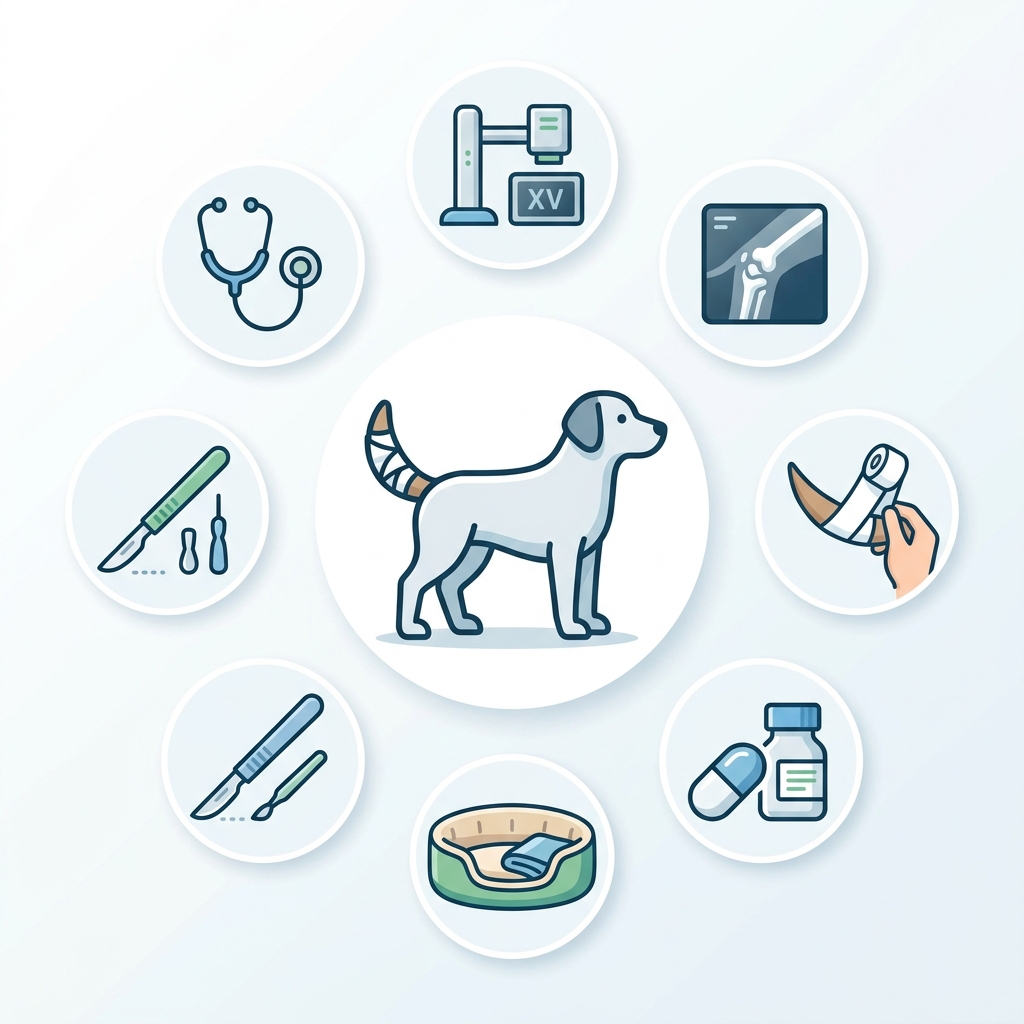
The treatment for a broken tail on dog patients varies widely depending on exactly where the break is and how severe it is.
- Minor fractures at the tip: If the injury is close to the end of the tail, your vet may choose a simple care plan instead of a cast or splint. Pain relief, rest, and careful watching are often enough while the small bone heals. Bandages are not always used on tails because they slip easily, and if they are too snug, they can slow circulation.
- Severe fractures or crush injuries: If the tail is badly injured, the skin is torn, or the bones are not lined up well, your dog may need more involved care. The vet may clean and treat the wound, check the tissue, and talk with you about surgery if the tail needs extra support while it heals.
- Amputation: In rare, serious cases, removing part or all of the tail may be the safest option. This may be recommended if the tail is crushed, has serious nerve damage, or cannot get enough healthy blood supply. It is hard for owners to hear, but most dogs adapt much better than people expect and can still live active, happy lives.
For reliable overviews of canine bone fracture treatments, the Merck Veterinary Manual at Merck Veterinary Manual is a trusted resource.
Home Care And Recovery
Once you bring your dog home from the vet, your job is to help them rest and heal. Healing a canine broken tail takes time, usually anywhere from a few weeks to a couple of months.
Your vet will likely send you home with specific instructions. Here are the most common home care steps:
- Limit activity: Give your dog a quiet place to rest while the tail heals. Skip rough play, avoid jumping on and off beds or couches, and keep walks short with your dog on a leash.
- Administer medication: Use only the medicines your veterinarian prescribed, and follow the dose and timing carefully. Do not use over-the-counter pain relievers made for people, such as ibuprofen or acetaminophen, because they can be dangerous for dogs.
- Use a protective collar if needed: If your dog keeps licking, chewing, or bothering the injured tail, your vet may suggest an Elizabethan collar or another safe barrier. This helps keep the area clean and lowers the chance of infection.
- Monitor bathroom habits: Watch how your dog pees and poops during recovery. If they seem to strain, cannot go normally, or suddenly have accidents in the house, contact your veterinarian right away.
Possible Complications
Most tail injuries heal well with proper care, but complications can occasionally arise. The most serious complication is permanent nerve damage. If the nerves near the base of the tail are severed, the dog may permanently lose the ability to wag their tail or, worse, lose control over their bladder and bowels.
Infection is another risk, especially if there was an open wound associated with the break. Monitoring the tail for foul odors, excessive swelling, or discharge is crucial during the healing process. If the tail does not heal straight, it might end up with a permanent kink. While this usually does not bother the dog, it changes their appearance slightly.
Prevention Tips
While you cannot prevent every accident, you can take steps to protect your dog’s tail.
- Be mindful of where your dog is when opening and closing doors, especially heavy exterior doors or car doors.
- If you have a large, enthusiastic dog prone to happy tail syndrome, try to clear coffee tables and tight hallways of hard objects that their tail might repeatedly strike.
- Teach children how to properly interact with dogs, emphasizing that they should never pull or step on a dog’s tail.
Conclusion
A sore or injured tail can be upsetting to see, especially when your dog is clearly uncomfortable. The good news is that many tail injuries can heal well when they are noticed early and checked by a vet. Watch for changes like swelling, a limp tail, crying when touched, trouble wagging, or unusual bathroom accidents, and take those signs seriously.
If something feels “off” with your dog’s tail, trust that instinct. Keep an eye on their pain level, swelling, tail movement, and bathroom habits, and call your veterinarian as soon as you can. A quick checkup can help your dog get the right care before the injury becomes more painful or harder to treat.
Frequently Asked Questions (FAQs)
Can A Dog’s Broken Tail Heal On Its Own?
Minor fractures at the very tip of the tail can sometimes heal on their own with strict rest, but you should always have a vet examine the injury to rule out severe nerve damage or infection.
How Much Does It Cost To Fix A Dog’s Broken Tail?
The price can change a lot depending on the injury. If your dog only needs an exam, X-rays, and pain medicine, it may cost a few hundred dollars. If the tail needs surgery, repair, or amputation, the bill can be much higher.
Is A Broken Tail An Emergency?
It can be. If the tail is bleeding, hanging limp right from the base, or your dog is suddenly having trouble controlling their poop or pee, do not wait it out. Call an emergency vet and get your dog checked as soon as possible.
Disclaimer: The information provided in this article is for educational and informational purposes only and is not intended as veterinary or professional advice.
About The Author