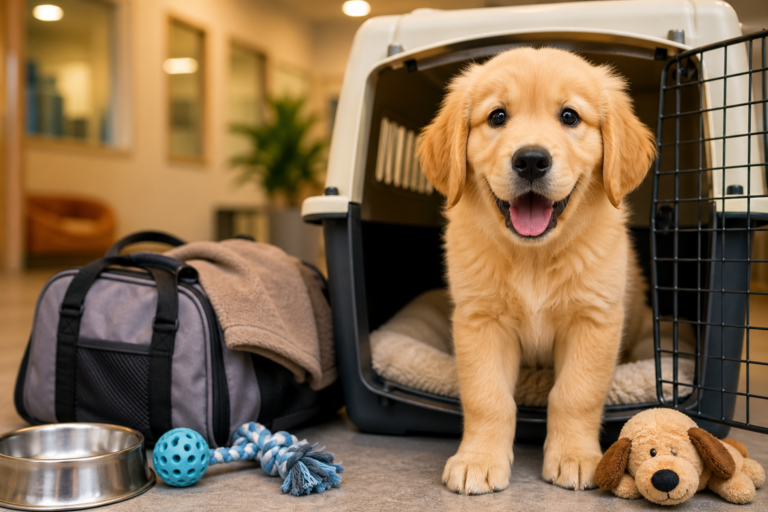
Bringing home a puppy is exciting in that heart-melting, slightly chaotic way. One minute you are staring at that tiny face and thinking you may never love anything this much, and the next minute you are scrubbing pee out of the rug while checking the time because you are already late for work. It happens. More often than most people expect.
If you are trying to figure out How To Potty Train Puppy When Working Full Time, the first thing I want to say is this: you are not behind, and you are not doing it wrong. This stage is hard because puppies are babies. Sweet babies, yes, but still babies. They do not come home knowing that grass is the bathroom and your hallway is not.
The good news is that potty training can absolutely work even if you have a full-time job. You do not need to hover over your puppy all day long. You need a plan that fits real life, a setup that helps more than it hurts, and enough patience to keep going when the process gets messy. Because sometimes it does get messy!
In this guide, you will learn how to set realistic expectations, build a routine around your work schedule, handle accidents without losing your mind, and help your puppy develop good habits that stick.
Why Potty Training Feels Harder When You Work Full Time?
There is a reason this feels like such a challenge. Actually, there are a few reasons.
Young puppies need to go out a lot. Not once in a while. A lot. They usually need a potty break after waking up, after eating, after playtime, after excitement, and sometimes right after doing something that made perfect sense to no one but them.
When you work full time, the biggest hurdles usually look like this:
- your puppy cannot hold it for long
- long stretches alone can lead to accidents
- your timing may change from day to day
- the moments your puppy needs the most supervision often happen when you are busiest
That does not mean you are set up to fail. It just means your routine has to match your puppy’s age and stage.
Veterinary guidance consistently points to the same basics for house training: consistency, supervision, and positive reinforcement. Busy owners can absolutely use those same principles. You just have to be a little more intentional with your schedule and environment.
Start With Expectations That Make Sense:
This part matters more than people think.
A lot of frustration starts when owners expect a very young puppy to hold it through a full workday. That is simply too much for most puppies, and when accidents happen, it can feel like the training is failing. Usually, it is not. The plan just needs adjusting.
How Long Can A Puppy Hold It?
A common daytime guideline is about one hour per month of age. So, for example:
- a 2-month-old puppy may hold it for around 2 hours
- a 3-month-old puppy may hold it for around 3 hours
- a 4-month-old puppy may hold it for around 4 hours
That is not a strict rule. Some puppies need more frequent breaks. Small breeds often do. Puppies also need to go sooner after meals, naps, heavy play, or excitement.
So if you have a very young puppy and an eight-hour workday, that gap usually needs help in the middle.
What Full-Time Workers Often Need In The Early Weeks
If your puppy is too young to make it through your work schedule, bring in support early. It can make a huge difference.
That help might come from:
- a family member
- a trusted neighbor
- a dog walker
- a pet sitter
- doggy daycare once or twice a week
This is not taking the easy way out. It is smart. A little help at the beginning can prevent a lot of setbacks later.
Set Up Your Home So Your Puppy Can Succeed:
A good setup saves time, stress, and a surprising number of paper towels.
When you are home, supervision does a lot of the work. When you are gone, the space itself needs to guide your puppy toward better habits.
Use A Crate The Right Way
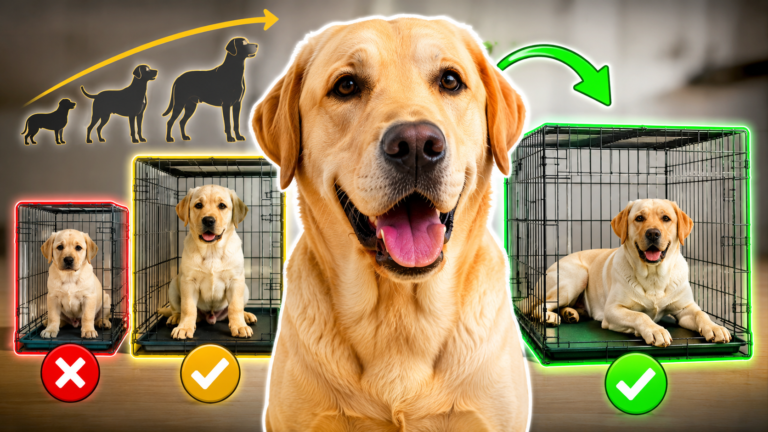
Crates can be incredibly useful for potty training because many puppies do not like to soil the place where they sleep. But the crate has to be used fairly.
Choose one that is:
- roomy enough for your puppy to stand comfortably, turn with ease, and stretch out to rest
- not so large that one side becomes a sleeping area and the other turns into a bathroom
- calm, safe, and comfortable
A crate is a training tool, not a place to park a puppy all day. If your work schedule is longer than your puppy can reasonably hold it, a crate alone is not enough.
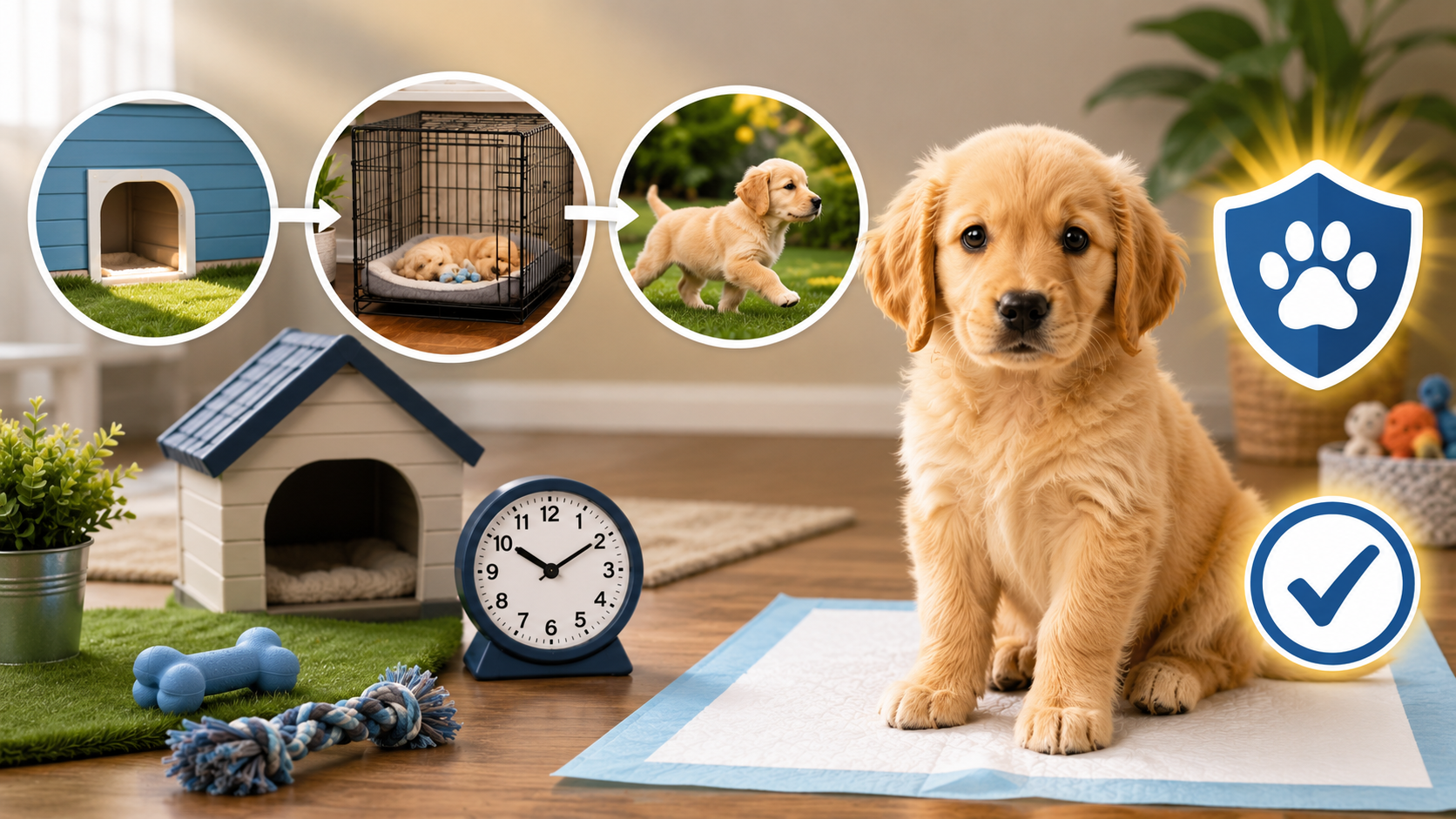
Consider A Puppy Pen OR Small Safe Area:
This is often the better solution for full-time workers.
A puppy pen or gated-off area can include:
- a bed or open crate
- fresh water
- one or two safe chew toys
- room to move around
- a designated potty spot if needed
That last part matters. If your puppy truly cannot hold it for your full work period, a small area with a clear potty option is often more humane and more realistic than expecting perfection.
Pads OR Outdoor Training: Pick A Plan Early
If your long-term goal is outdoor potty training, clarity helps.
Puppy pads can be useful for very young puppies or long work stretches. But they can also blur the message if they stay in the picture too long. If you choose to use them, keep the approach simple:
- put them in one consistent spot
- make them easy for your puppy to reach
- begin shifting the routine outdoors as your puppy matures
A lot of owners go back and forth here. That is normal. Just try not to change the rules every few days. Puppies learn faster when the message stays steady.
Build A Daily Routine Your Puppy Can Learn:
Dogs do best with patterns. Life does not need to run like a military clock, but a loose routine helps your puppy understand what comes next.
And honestly, it helps you too.
A Simple Routine For A Full-Time Puppy Owner
Here is a realistic example:
Morning
Take your puppy out as soon as they wake up. Do not wait. That first trip is important.
Then feed breakfast, and head back outside about 10 to 15 minutes later. After that, allow a short play session, followed by one more potty break before you leave for work.
Midday
If possible, arrange for someone to stop by for a bathroom break. That visit can also include a few minutes of movement and calm interaction.
It does not have to be a huge event. Sometimes a quick potty trip and a little stretch are enough.
After Work
When you get home, go straight outside before anything else. Not after you put your bag down. Not after checking your phone. Straight outside.
Then you can do playtime or a short walk, feed dinner, and head out again after the meal. One more trip before bed rounds out the day.
This kind of routine is simple, and that is exactly why it works.
Learn Your Puppy’s “Go Time” Patterns
Every puppy has little windows when they are much more likely to need the bathroom.
Once you start noticing those patterns, things get easier fast.
Most puppies need to go:
- right after waking up
- shortly after eating
- after drinking a lot of water
- after active play
- after excitement
- before bedtime
Weekends can be incredibly helpful here. You get more time to watch your puppy closely and learn the signs. That alone can cut down on accidents during the week.
I have seen puppies go from “seems impossible to predict” to “oh, of course, he always needs to go five minutes after tug-of-war” in just a few days of paying closer attention.
Reward Success Immediately:
Timing is everything with potty training.
When your puppy goes in the right place, praise them right away. Use a happy voice. Offer a small treat within a few seconds. If you want to use a cue like “go potty,” say it consistently so they begin to connect the phrase with the action.
The goal is simple: your puppy learns that going in the right spot leads to something good.
If the reward comes too late, the lesson gets muddy.
When Accidents Happen, Stay Calm:
And yes, accidents will happen. Even if you are doing a great job.
Sometimes you will feel like your puppy had been doing so well, and then suddenly there is a puddle on the floor for no obvious reason. Welcome to puppy life.
When you find an accident:
- stay calm
- skip scolding or punishment
- clean the area thoroughly with an enzyme cleaner
- think about what may have caused it
Usually, accidents happen because one of a few things went wrong. Maybe the puppy waited too long. Maybe a potty break got delayed. Maybe they had too much freedom too soon. Maybe the signs were subtle and easy to miss.
Punishment does not teach a puppy where to go. Clear routines do.
Watch For The Small Signals:
Some puppies are dramatic about it. They run to the door, bark, spin in circles, and make it obvious.
Others give you almost nothing.
A puppy may need to go if you notice:
- sniffing the floor
- circling
- drifting away during play
- squatting suddenly
- heading toward a place where they had an accident before
- going oddly still and distracted
The key is to move fast. Catching that moment and getting outside in time can reinforce the habit you want.
Setbacks Are Normal, Not A Sign You Failed:
This is one of the most important things to remember.
Potty training is not a perfect upward line. A puppy can do wonderfully for a week and then have two rough days in a row. That does not mean all your work disappeared.
Why Potty Training Regression Happens
Regression can show up because of:
- changes in routine
- moving to a new environment
- stress
- developmental changes
- too much freedom too soon
- medical issues
If your puppy seems to slide backward after making progress, go back to basics for a bit.
Tighten supervision. Take more frequent potty trips. Reward success like it is the first week again. Clean any old accident spots well. If the change feels sudden or unusual, check with your vet.
A short reset often works wonders.
Nighttime Potty Training Tips:
Young puppies often need at least one overnight bathroom trip. It is not glamorous, especially when it is 2 a.m. and you are standing in the yard in pajamas, but it is temporary.
A few things help at night:
- take your puppy out right before bed
- keep overnight trips quiet and boring
- bring them back inside right away
- do not turn it into playtime
You want your puppy to learn that nighttime is for sleeping. Not partying.
Does Spaying Help With Potty Training?
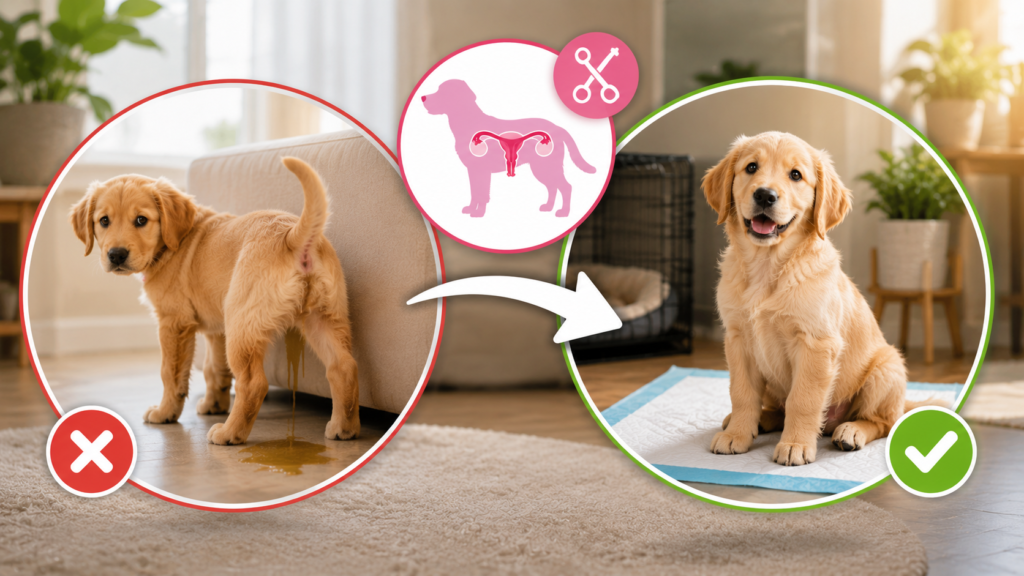
This question comes up more than you might expect.
The short answer is no, not directly. Spaying does not teach a dog where to potty. House training still comes down to age, consistency, supervision, and routine.
In some dogs, hormones can affect behaviors like marking, but that is different from everyday potty habits. If you are dealing with frequent marking or a sudden behavior shift, that is a good conversation to have with your veterinarian.
Small Habits That Make A Big Difference
Sometimes the most useful tips are the least flashy.
Keep Meals On A Schedule
If food is available all day, potty timing can be harder to predict. Scheduled meals usually lead to more predictable bathroom habits.
Limit Freedom Early On
Too much access too soon is one of the biggest reasons potty training drags out. If your puppy can wander the whole house, they may disappear behind a chair and have an accident before you even realize they slipped away.
Use baby gates, pens, or even keep your puppy tethered to you with a leash when you are home and actively training.
Use the Same Potty Spot
Taking your puppy to the same outdoor area can help. The familiar smell often encourages them to go faster, and the repetition builds a strong habit.
Track What Is Happening
You do not need an app unless you love apps. A few notes in your phone work just fine.
Track:
- meal times
- potty breaks
- accidents
- successful outdoor trips
After a few days, patterns usually start to jump out.
Celebrate the Small Wins
A dry morning counts. A clean afternoon counts. A successful trip outside after dinner absolutely counts.
Progress in puppy training often shows up in small pieces before it becomes a reliable habit.
When to Call the Vet?
Sometimes potty issues are not just training issues.
Contact your veterinarian if your puppy has:
- frequent accidents despite a solid routine
- straining to urinate
- very frequent urination
- blood in the urine
- sudden regression without a clear reason
- lethargy or unusual thirst
Trust your gut here. If something feels off, it is always worth asking.
You Can Do This, Even With a Full-Time Job
A full-time schedule does not mean you are doomed to months of accidents and frustration. It just means your approach needs to be realistic.
Your puppy does not need perfection. Your puppy needs:
- a routine
- clear expectations
- enough chances to get it right
- positive reinforcement
- patience
That is the real foundation of potty training. Not fancy gear. Not magic tricks. Just simple habits repeated often enough that they stick.
Final Thoughts:
Learning how to potty train a puppy when working full time can feel overwhelming at first, especially in those early days when your house seems to revolve around pee breaks, cleanup spray, and frantic trips outside. But it is doable. Truly.
The biggest shift is this: stop aiming for a perfect process and start building a workable one. When your setup fits your schedule and your expectations match your puppy’s age, training gets so much less stressful.
There will be easy days. There will be ridiculous days. There may even be one day when your puppy stares you in the eyes and pees on the floor right after coming inside. It happens! Keep going anyway.
Stick with the routine, reward the wins, and give both yourself and your puppy a little grace. Before long, this stage will feel much less chaotic, and you will both be in a better groove.
FAQs
How Long Does It Usually Take To Potty Train A Puppy When Working Full Time?
Many puppies show clear improvement within a few weeks, but full reliability often takes several months. Age, consistency, and your daily routine all play a part.
Can I Use Puppy Pads IF I Want My Puppy To Potty Outside Later?
Yes, you can. Just use them with a plan. Keep the pad in one consistent spot and start shifting the habit outdoors as soon as your puppy is ready.
Is It Okay To Leave A Puppy Alone During A Full Workday?
Very young puppies usually need a midday potty break. If you work full time, it is often best to arrange help until your puppy is old enough to hold it longer.
Raising a puppy comes with a lot of questions, and you do not have to sort through them alone. Visit Dog Wellness Hub for more practical, friendly dog care guides that help you raise a happy, healthy companion with confidence.
Disclaimer: The information in this article is for educational and informational purposes only and is not intended as veterinary or professional advice.
About The Author