Leaving your puppy at a boarding facility for the first time can stir up nerves for both you and your dog. If you’re boarding a puppy for the first time, you might be counting on your bond growing stronger each day—building routines, noticing new habits, and loving every silly moment. When life calls for travel or an emergency pops up, arranging for someone else to care for your dog requires more than handing off a leash. It’s about making sure your furry pal feels as safe and secure as possible—even when you’re apart.
This blog offers guidance on every part of the process, from researching boarding options, to prepping your puppy for their visit, to easing their transition back home after their stay.
Why Preparation Is Important?
Puppies rely on routine and familiar surroundings to feel safe. Major changes to their environment, new sounds, or new people can make them feel overwhelmed or anxious. With thoughtful planning, you can help your puppy adjust to boarding more smoothly, setting them up for a positive experience.
Being prepared also gives peace of mind to you as an owner. When you know your dog is in capable hands, you’re able to focus on your trip, work, or emergency situation. A puppy who is well-prepared for boarding is more likely to settle in quickly, eat and rest as usual, and have a great time engaging with new people and pups.
Selecting The Best Boarding Facility:
Your choice of boarding facility can make all the difference. Some places feel more like home than others. It’s important to find a facility with high standards for cleanliness, care, and safety.
Visiting Before Deciding:
A virtual tour isn’t enough—always visit in person before making a reservation. Focus first on security: Is the facility well-fenced? Are gates sturdy? Do you see staff interacting kindly and confidently with the dogs? Glance around for clean play areas, quiet resting spaces, and adequate ventilation.
Key Questions To Ask:
- How many staff members are on site at one time?
- How often are the dogs taken out for walks or play?
- Are puppies kept in separate areas from older or larger dogs?
A calm, organized atmosphere is a good sign your puppy will feel comfortable during their stay.
Health And Vaccine Rules:
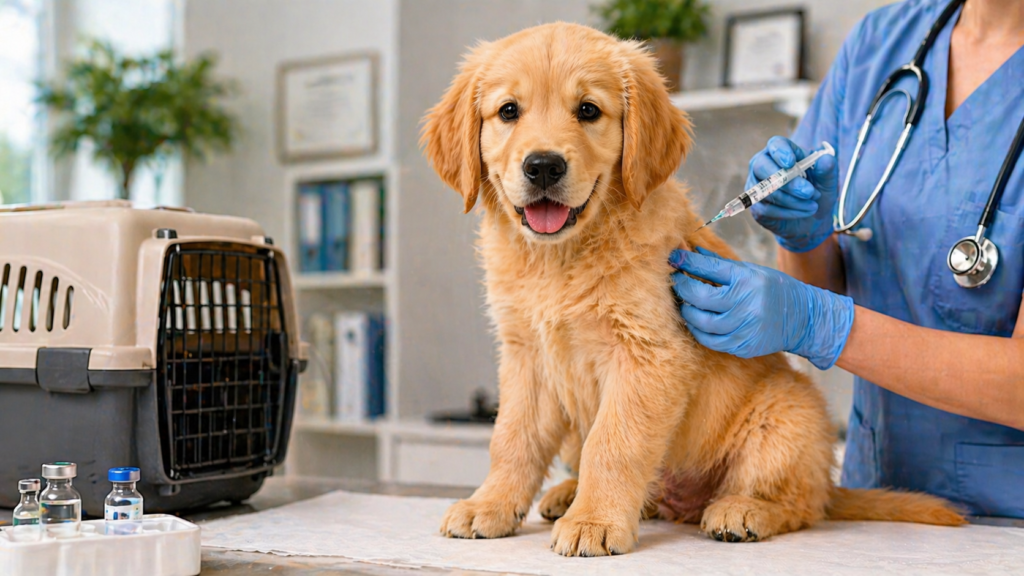
The best facilities require all guests to have up-to-date vaccines. Expect to provide documentation for rabies, distemper, parvovirus, and Bordetella (especially for kennel cough). Some places will also ask for a recent vet exam or proof that your puppy is free of parasites.
For a reliable overview of canine healthcare, you can check out Healthy Pets from the CDC. If the facility doesn’t ask for records, consider this a serious warning sign. Your dog’s health depends on everyone following the same rules.
Getting Your Puppy Ready For Boarding:
Puppies don’t understand where you’re going or why they have to stay somewhere new. The good news? There are steps you can take at home to ease their transition.
Try A Short Test Stay
If you’re anxious about boarding your puppy for the first time, arrange a short daycare visit or an overnight stay before the longer trip. This mini-stay introduces your pup to the sights, smells, and people they’ll encounter. They learn that you always come back for them.
Staff can also observe your puppy’s behavior, helping you spot separation anxiety or stress early, and allowing you to make adjustments if necessary.
Stick With Their Routine
For at least a week before boarding, be strict about feeding, walks, and playtime. Consistency makes the new schedule at the kennel feel more familiar. Pass on details about mealtimes, usual play routines, and quirks to the staff so they can mirror your home life as much as possible.
Social Skills Matter
Puppies who aren’t used to new people or dogs may feel nervous at boarding. Start exposing your puppy to safe, positive encounters outside your home: neighbors on walks, friendly adult dogs, or visits to quiet parks. These experiences help give your pup a more adaptable outlook, making group play at a kennel less intimidating.
Packing For Their Stay
Sending your puppy with familiar items helps bridge the gap between home and the boarding facility. Double-check what’s allowed and ask about restrictions before you pack.
What To Bring?
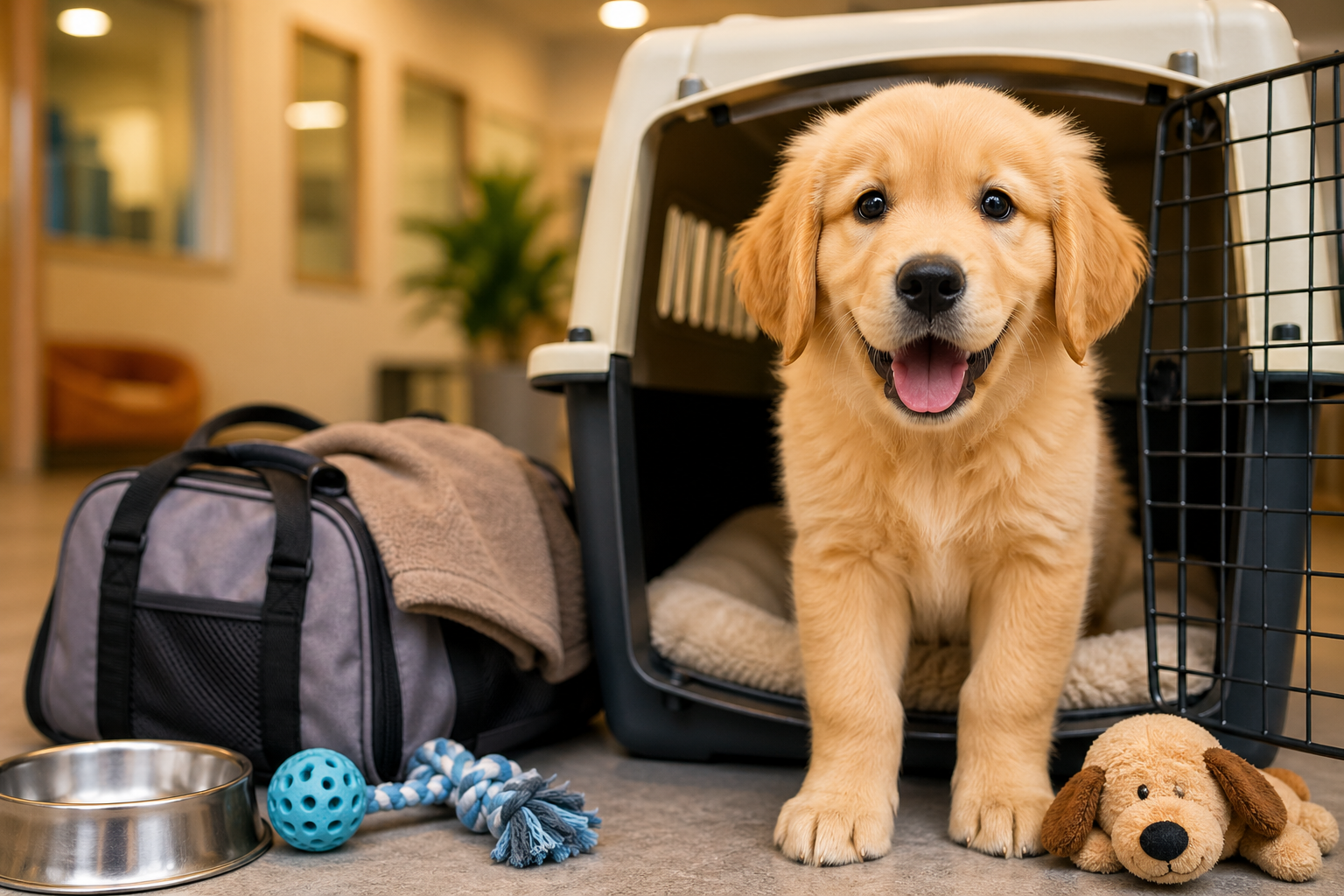
Helpful items for your dog’s comfort:
- Measured food in labeled containers: Ensure your puppy gets their regular diet and avoids digestive upset from sudden food changes.
- Written feeding guide: If you have a specific way of preparing food or if your puppy needs supplements, write it all down clearly.
- Collar with up-to-date ID tags: Tags should include both your cell number and a second emergency contact.
- Vaccination and vet records: Hard copies make it easier for staff to reference what your dog might need.
Medication Details
If your puppy needs daily medicine, write out detailed instructions and ask to give them directly to the caregiver on duty. Clarity is key—never assume information will be passed along.
Comfort Items
Most dogs love to have something familiar from home. An unwashed shirt or a sturdy favorite toy can provide reassurance while you’re away. Don’t bring anything irreplaceable. Sometimes dog gear gets lost or mixed up during washing.
Easing Your Own Worries
It’s natural to feel uneasy about leaving your puppy. Dogs sense our feelings, and your calm, confident farewell sets them up for success.
Keep Goodbyes Short and Sweet
Make parting quick and positive. Act upbeat—think of it as sending your pup on a fun adventure. Lingering or showing sadness only fuels your pet’s anxiety.
To check in on your puppy, look for facilities that offer live video or daily photo updates. Watching your dog having fun can be hugely reassuring.
You can explore more about animal welfare basics at the USDA APHIS Animal Welfare page.
Coming Home After Boarding
Reuniting with your puppy is a joy, but you may notice they’re tired or out of sorts. This is normal after lots of play and excitement at boarding.
After You Pick Them Up
Don’t worry if your dog sleeps a lot in the day or two after coming home. The busy environment can be exhausting. Let them rest and adjust at their own pace.
Help prevent tummy upset by giving small amounts of water and food for the first few hours. Going back to your familiar routines at home will quickly settle them in again.
Frequently Asked Questions (FAQs)
What’s The Minimum Age To Board A Puppy?
Most reputable kennels require puppies to be 12-16 weeks old, vaccinated, and cleared by a vet before boarding.
Is My Puppy Going To Forget Me While I’m Gone?
Absolutely not. Puppies remember their families and usually greet you with excitement when you return.
What Happens If My Puppy Feels Unwell During Their Stay?
Good facilities work closely with vets. Make sure to leave your vet’s info so staff can reach out if there’s an emergency.
Ready To Start Planning?
Giving yourself plenty of time for preparation pays off—your puppy’s first boarding experience sets the stage for all future stays. Start early, do your research, and help your pup settle in. For more practical advice and updates on caring for your dog, sign up for the Dog Wellness Hub newsletter. From tips on boarding to nutrition and training, we’re here to support your journey as a thoughtful pet parent
About The Author