You might be asking, can grass seeds kill dogs? We explain the hidden dangers of these tiny weeds, how they harm pets, and what you can do to prevent it. Most of us worry about cars, chocolate, or ticks when we take our dogs outside. We rarely stop to think about the literal ground they walk on. I learned about this specific nightmare last summer. I was hiking with my spaniel, Charlie, when he suddenly started limping. I thought he just stepped on a sharp rock. Instead, I found a swollen red bump between his toes. It turned out to be a weed that had burrowed into his skin.
That one vet visit opened my eyes. I want to share exactly why these everyday outdoor plants are so dangerous and how you can protect your furry best friend.
Why Are These Seeds So Dangerous?
Let’s look at how these plants actually work. We usually think of seeds as harmless little ovals, like what you find inside an apple. Wild grasses don’t play by those rules. Many weeds produce seeds shaped like tiny, sharp arrowheads covered in microscopic bristles.
These stiff, backward-facing barbs have a very specific job in nature. They snag onto the fur of passing animals like deer or coyotes to hitch a ride to a new location. It is an amazing survival mechanism for the plant.
For your family pet, it is a completely different story. Because of those backward-facing bristles, the object can only move one way: forward. Once it gets tangled in your dog’s coat, every step they take pushes it deeper. It doesn’t just sit there. It pierces the skin and literally burrows inside the body.
The Deadly Journey Inside The Body:
When pet owners find out about this, they usually panic and hit the search engines. People often wonder, can grass seed kill dogs right on the spot? The initial puncture won’t end a life. The real danger comes from what happens next.
Once that barbed weed breaks the skin barrier, it keeps traveling. It migrates through muscle, tissue, and sometimes into the bloodstream. It drags surface dirt and nasty ground bacteria along with it. This causes massive internal abscesses, severe infections, and eventually sepsis if nobody intervenes.
The Danger OF Sniffing:
Dogs experience the world through their noses. They shove their faces into everything. So, can a grass seed kill a dog just because they sniffed a patch of weeds? Absolutely. If your dog inhales one of these sharp objects, it can travel straight down the nasal passage and into the lungs. This creates a severe respiratory infection or even causes a lung to collapse. It turns a fun afternoon walk into a life-threatening emergency requiring surgery.
The Foxtail Menace
If you live out west, you probably know exactly what a foxtail looks like. They look like a fluffy, bristly fox tail sitting on top of a tall green stalk. They are everywhere during the dry summer months.
Many owners ask, can foxtail grass seeds kill a dog specifically? Yes, they are notorious for causing catastrophic complications. Foxtails are razor-sharp and incredibly tough. They easily punch through skin, lodge inside ears, get stuck under eyelids, and shoot up noses. Vets have documented terrifying cases where a foxtail traveled all the way to a dog’s spinal cord or brain, doing irreversible damage.
Where Do They Usually Get Stuck?
These things can grab onto any part of your dog, but there are a few highly vulnerable areas you need to check constantly.
Paws and Toes
This is the number one spot. The seeds easily wedge themselves right in the soft webbing between the toes. Every time your dog puts weight on that foot, the sharp tip drives deeper into the skin.
Ears and Ear Canals
If you have a dog with floppy ears, you need to be extra careful. Spaniels, hounds, and retrievers act like magnets for outdoor debris. If a weed slips into the ear canal, it causes agonizing pain. Your dog will shake their head violently and scratch their ears raw. If you ignore it, the object will rupture the eardrum and cause permanent hearing loss.
Eyes and Eyelids
Anything getting trapped under an eyelid triggers instant swelling. The eye will water heavily, and your dog will paw frantically at their face. This behavior can quickly scratch the cornea and lead to blindness if a vet doesn’t step in right away.
Getting Professional Help:
You cannot handle an embedded weed on your own. It requires real medical intervention. You might be wondering about prevention and maintenance, asking can grass seeds kill dogs pet services stop this from happening?
Professional grooming and veterinary services are your absolute best defense. A talented groomer keeps your dog’s coat neat. Trimming the fur around the paws, belly, and ears removes the material these weeds use to grab on.
More importantly, veterinarians have the specialized tools needed to find and extract wandering debris safely. They use digital scopes and surgical tweezers to get the job done. Do not try to dig one out at home with a needle. You will only push it deeper. Go to the vet immediately.
Safe Yards and Durable Lawns:
If you own a house with a yard, you want a safe space for your dog to play. Many people actively look for a tough grass seed that dogs can’t kill with their urine or rough running, while also remaining completely safe for paws.
You want to avoid planting any wild ornamental grasses that grow those dangerous barbed heads. Stick to smooth-seeded, durable varieties.
Here are some pet-safe lawn options:
- Kentucky Bluegrass: It handles heavy running beautifully and doesn’t grow sharp seed heads.
- Perennial Ryegrass: It sprouts incredibly fast and stands up to constant paw traffic.
- Tall Fescue: This one has deep roots that survive dog urine spots and features a soft, safe texture.
Warning Signs To Watch For:
Dogs try to hide it when they hurt. It is an old survival instinct. You have to pay close attention to their behavior after a trip outside. Watch for these red flags:
- Sudden Sneezing: If they start sneezing violently during a walk and simply won’t stop.
- Licking One Spot: If your dog obsessively licks a single paw or a specific spot on their stomach.
- Head Tilting: Constant shaking or tilting of the head usually means something is deep in the ear.
- Angry Red Bumps: Check between the toes for hard, swollen bumps. You might even spot a tiny hole leaking clear fluid.
- Acting Tired or Hot: If an internal infection takes over, your dog will feel hot to the touch, act totally exhausted, and probably refuse dinner.
Keeping Your Dog Safe:
You don’t have to banish your dog to the indoors all summer. You just need to build a few smart habits.
- First, stay away from high-risk areas. When things get hot and dry, avoid overgrown fields and unmaintained dirt trails. Walk on paved paths, visit the beach, or stick to manicured parks where the lawn is cut short.
- Second, do a quick pat-down after every single walk. Make it part of your routine. Run your hands through their fur and feel for tiny lumps. Spread their toes apart and look. Flip their ears up and check inside.
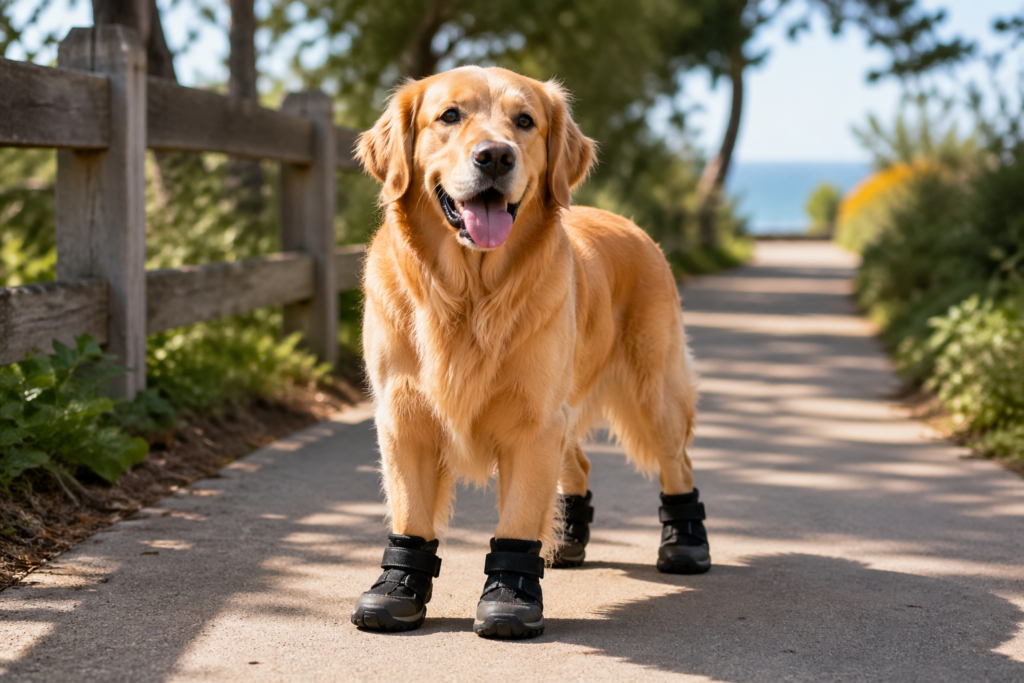
- If you hike in the brush frequently, buy some gear. Dog booties look a bit silly, but they completely protect sensitive paws from sharp debris.
- We all want our dogs to enjoy the great outdoors. The thought of a tiny weed causing so much destruction is scary, but staying aware solves the problem. Check their paws, keep up with their haircuts, and call your vet the second you notice them limping or sneezing uncontrollably.
Final Words:
Taking care of dogs has taught me that even the smallest things can sometimes cause the biggest problems. Grass seeds might seem harmless, but they can lead to serious issues if not addressed. By spending a little time checking your dog after outdoor activities and staying alert to any changes, you can help prevent unnecessary harm. Dogs rely on us to notice what they can’t, and it’s our job to protect them. Paying attention to the small details, even during walks and playtime, is an important part of being a caring and responsible pet owner. These simple steps can make a big difference in keeping your dog safe and happy
About The Author