Bringing a dog home is one of life’s greatest joys, but it comes with daily care and looking after your new friend. Grooming is an important part of keeping your pet both healthy and happy. If you’re thinking about grooming styles for your pup, you’ve likely come across the puppy cut dog style. This haircut is loved by pet owners and groomers alike because it’s cute, easy to manage, and works well for tons of breeds. Whether you have a lively poodle, a playful shih tzu, or an adorable mix, this guide will help you understand how to get the best look for your canine companion.
Understanding The Basics: What Is A Puppy Cut ON A Dog?
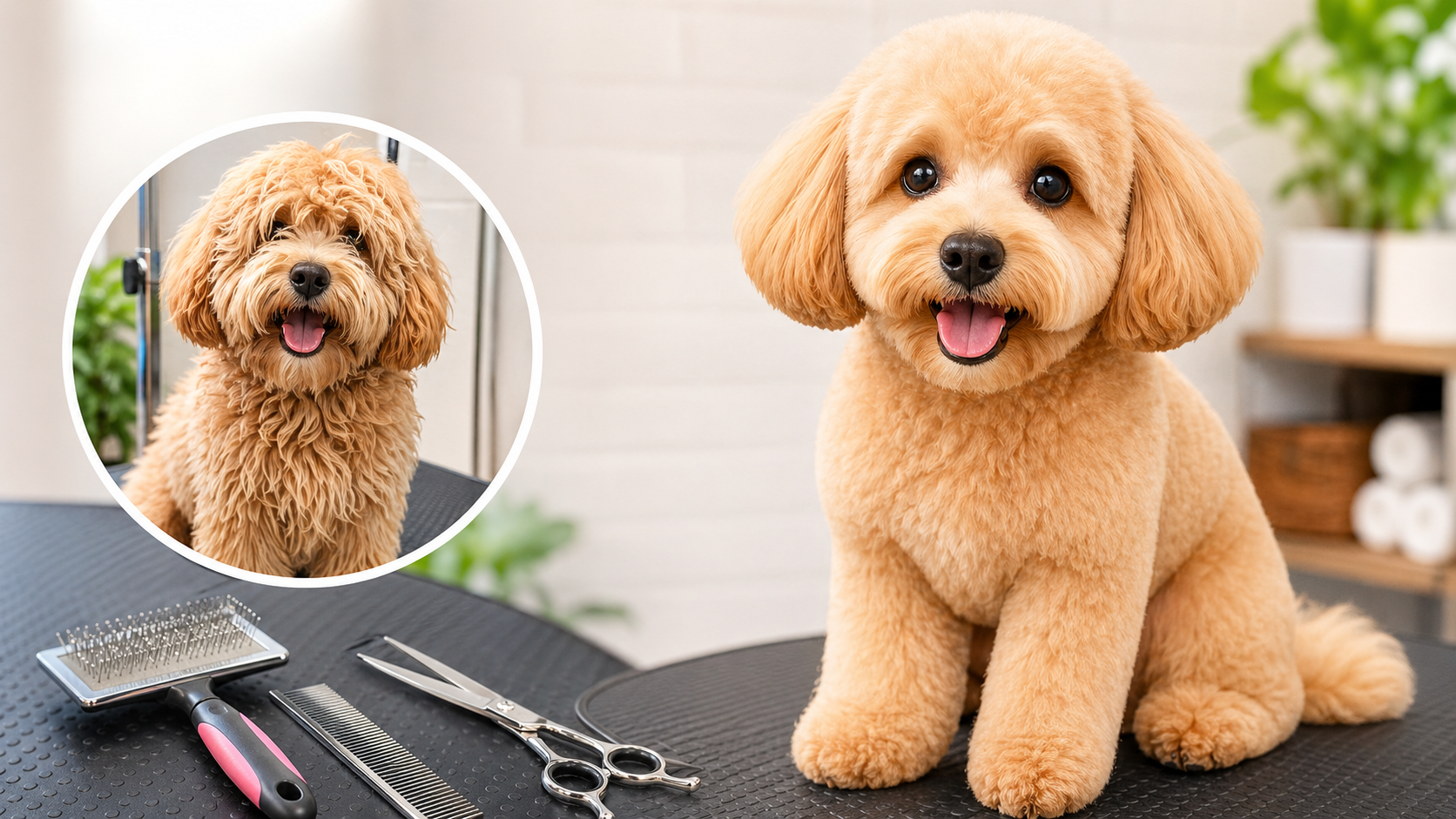
Not sure what a puppy cut is? You’re not alone! What is a puppy cut on a dog is a question asked by many. It simply means that your dog’s hair is trimmed to the same length all over their body. Most groomers will leave the hair between one and two inches long, but you can ask for it longer or shorter depending on what fits your dog’s needs.
Despite the name, older dogs can have puppy cuts too. It is called a puppy cut because it resembles the even, fluffy coat puppies often have before their grown-up fur grows in. This style helps keep your dog looking playful and youthful, no matter how old they might be.
Why Groomers Love It?
Groomers recommend puppy cuts because they are easy to do, can be adapted to nearly any breed, and help make regular grooming easier for owners. Plus, the even cut looks neat and feels soft.
When To Start: The Ideal Puppy First Haircut Age:
Introducing your dog to grooming early is really important, so they’re never nervous about bath time or haircuts. Most experts agree that the best puppy first haircut age is between 12 and 16 weeks. By then, your puppy will be old enough to have their needed vaccines and will be ready to make a safe trip to the grooming salon.
“Meet And Greet” Visits:
The first appointment doesn’t have to be a full haircut. Ask for a low-stress visit where your puppy can just get comfortable. Usually, groomers will:
- Give a gentle bath and blow-dry
- Trim nails
- Clean ears
- Do a simple trim around sensitive spots, like the face, paws, and sanitary area
Letting a puppy sniff around, hear the sounds, and get treats can set them up for happy grooming experiences in the future.
The Benefits OF Choosing A Puppy Cut:
You’ve probably noticed that a lot of pet parents choose this haircut. There are good reasons why it’s so popular and practical.
Easier Brushing And Less Hassle:
Long coats are beautiful, but they need daily brushing to keep knots and mats away. If you don’t have time to brush every day, a puppy cut will save you and your dog time and trouble. Shorter fur means your dog will be cooler in the summer too.
Cleaner, Healthier Paws And Face:
Having short fur on the paws means less dirt or mud gets into your house. In snowy weather, it also means less ice sticks between their toes. Trimming around ears and eyes can help prevent infections and lets your pup see clearly. The American Veterinary Medical Association (AVMA) shares helpful tips for keeping your pet healthy and clean, if you want to read more.
How to Ask Your Groomer For The Perfect Cut?
Not all “puppy cuts” are exactly the same. Groomers may have their own version or style, so you’ll want to be clear about the details.
Talk Openly With Your Groomer:
It helps to lay out exactly what you want before your dog goes to the table. Here’s what you can do:
- Say the length you want: Tell your groomer how many inches (or centimeters) you want the coat to be.
- Mention the face and tail style: Do you like a rounded cute look on the face? Want a fluffy or a feathered tail?
- Bring a photo: A picture truly says a thousand words and makes sure there’s no confusion about the look you love.
Think About Your Dog’s Coat:
A Goldendoodle’s fur looks totally different from a Maltese, so their puppy cuts will look different too. Always listen to your groomer’s advice; they know what will work with your pup’s hair type.
Fun Activities While You Wait: Dog Coloring Pages
Grooming sessions can sometimes take an hour or two, so what do you do while you wait? If you have kids, try a fun dog-themed activity!
Use Cute Realistic Puppy Dog Coloring Pages:
Kids love coloring. You can print out pages of cute realistic puppy dog coloring pages to keep them busy. They’ll have fun choosing colors and trying to match your dog’s coat.
Find The Best Printable Puppy Cute Dog Coloring Pages:
Plenty of websites offer printable puppy cute dog coloring pages for free. Download a few to have on hand for whenever you need to pass the time. It’s a simple way to make the grooming experience fun for the whole family!
DIY Puppy Cut Maintenance Between Visits:
Even with an easy-care cut, your dog will need a little extra attention at home between professional grooms.
Must-Have Grooming Tools:
You don’t need a lot to start with—just a few basics make a huge difference:
- Slicker brush: Great for making sure little knots or tangles don’t turn into big mats
- Metal comb: Gets through tough tangles or places the brush missed
- Dog-friendly wipes: Wipe paws or clean around eyes and mouth
How to Brush Properly?
Don’t just skim over the top. Gently work the brush through to the skin, so no tangles are left hiding under the surface. Try to brush your pup a few times a week, rewarding them with snacks or praise for being so patient.
The Role OF Diet In Coat Health:

Your dog’s nutrition does more than keep them energized—it also shows in their fur. The better your pup eats, the healthier their skin and coat will be.
Look for dog foods that include Omega-3 and Omega-6 fatty acids, like fish oil or flaxseed. These help with shine and skin health. If your pup’s coat looks dull or you see flaky skin, speak to your vet about supplements. Curious to know more about pet nutrition and skin health? Visit National Institutes of Health (NIH) for trustworthy resources.
Why Regular Grooming Matters For Overall Well-being?
Grooming helps you check for more than just dirty fur. It’s an opportunity to notice health problems early.
- Skin troubles: Regular grooming can reveal irritation or allergies.
- Bugs: Small parasites like fleas and ticks hide well under long hair.
- Lumps: The more you handle your dog, the more likely you are to spot something unusual early.
Keeping the coat short with a puppy cut just makes it easier to address any issues quickly.
Wrapping Up:
Finding the right haircut for your pup is about making life comfortable—and yes, a little bit cuter! The puppy cut dog style brings out your dog’s playful side and makes daily care much easier for busy families. Remember, talk openly with your groomer about style and start your pup early so grooming feels fun. At home, brush regularly and keep an eye on nutrition.
Want to learn more, swap grooming tips, or share your pup’s “after” photo? Leave a comment below or check out more guides at Dog Wellness Hub!
Frequently Asked Questions (FAQs)
How often should my dog get a puppy cut?
It depends on how quickly their coat grows. Most pups do best with a haircut every 4-8 weeks.
Can Every Breed Get A Puppy Cut?
Not always. Double-coated dogs (like Huskies or Golden Retrievers) shouldn’t have their coats cut too short. Ask a professional groomer for guidance on your dog’s unique hair.
Will Cutting My Dog’s Hair Shorter Reduce Shedding?
No, your dog may still shed the same amount, but the shorter hair won’t be as noticeable. Brushing regularly is the best way to handle shedding.
About The Author