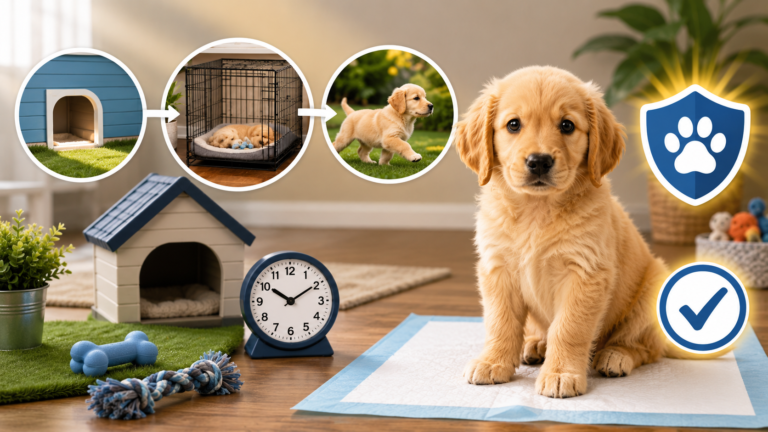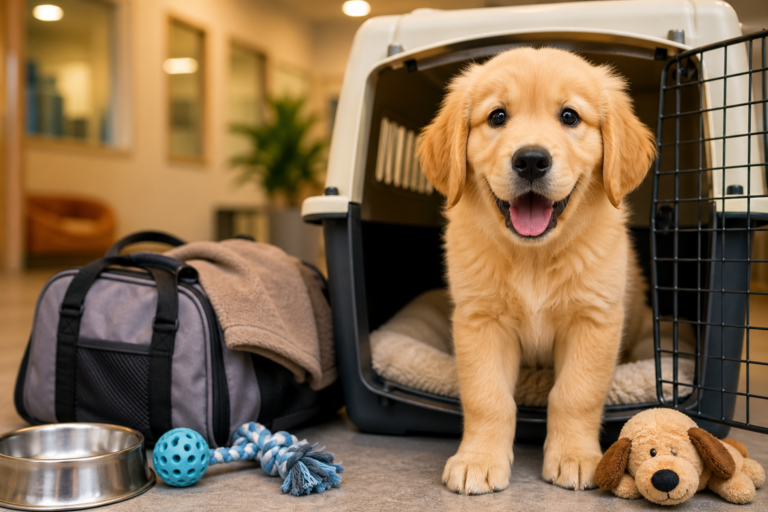
What Size Dog Crate for a Lab Explained starts with one simple goal: helping you pick a crate that feels safe, roomy, and practical for your Labrador. If you are unsure whether your Lab needs a 42-inch crate or something larger, this guide will walk you through it in a clear and easy way.
Labradors are loving, energetic dogs, but they are also bigger and stronger than many people expect at first. That is why crate size matters so much. A crate that is too small can make your dog uncomfortable. A crate that is too big can make early training harder, especially during the puppy stage. The right fit gives your Lab enough room to stand up, turn around, lie down, and relax without feeling boxed in.
If you have been staring at size charts and wondering what actually works in real life, you are not alone. Many Lab owners ask the same question, and for good reason. A young puppy has very different needs than a full-grown dog. Let’s go through it step by step so you can make a smart choice with confidence.
Why Crate Size Matters For A Labrador?
A crate should never feel like a punishment. When introduced properly, it becomes a quiet, secure place where your dog can settle down, nap, or take a break from a busy home. Many Labs grow to enjoy their crates because they learn that it is their own safe spot.
The right crate size can help with:
- House training
- Better sleep and rest
- Safer travel
- Calm downtime during busy hours
- Limiting chewing or mischief when you cannot supervise
Labs are curious by nature. They love to explore, sniff, chew, and stay close to their people. During the puppy and adolescent stages, that energy can lead to torn cushions, chewed shoes, or random household chaos. A properly sized crate can help manage those moments in a kind and practical way.
The American Veterinary Medical Association explains that crates can be useful for training and short-term management when they are introduced positively and never used for punishment. You can read more here: Resource tools
The Best Crate Size For Most Adult Labs:
For most adult Labrador Retrievers, a 42-inch dog crate is the right starting point.
That is the answer most people are looking for, and in many homes, it works very well. A standard 42-inch crate usually gives an average adult Lab enough room to move comfortably without leaving too much empty space.
Typical 42-inch Crate Dimensions:
Most 42-inch crates are close to:
- 42 inches long
- 28 inches wide
- 30 to 31 inches high
This size often works well for Labs that are:
- About 55 to 80 pounds
- Average in height
- Standard in body shape
Still, every Labrador is built a little differently. Some are lean and tall. Others are heavier through the chest and shoulders. If your dog is on the larger side, a 48-inch crate may be a better fit.
How to Measure Your Lab For The Right Crate?
The best way to choose a crate is to measure your actual dog, not just guess by breed.
That matters because two Labradors can weigh almost the same but have very different builds. One may be tall with long legs, while another may be broad and solid.
Measure Your Dog’s Length:
Measure from:
- The tip of the nose
- To the base of the tail
Then add around 2 to 4 inches.
Measure Your Dog’s Height:
Measure from:
- The floor
- To the top of the head or ears while your dog is standing
Then add around 2 to 4 inches.
These simple measurements give you a more reliable idea of what size crate will actually feel comfortable.
A Quick Fit Check:
Your Labrador should be able to:
- Stand without ducking
- Turn around without bumping the sides
- Lie down comfortably
- Stretch out in a natural way
If your dog has to crouch, twist awkwardly, or curl up tighter than normal, the crate is too small.
What Size Crate For A Lab Puppy?
This is the part that confuses many owners. Lab puppies grow fast, and sometimes it feels like they change size overnight.
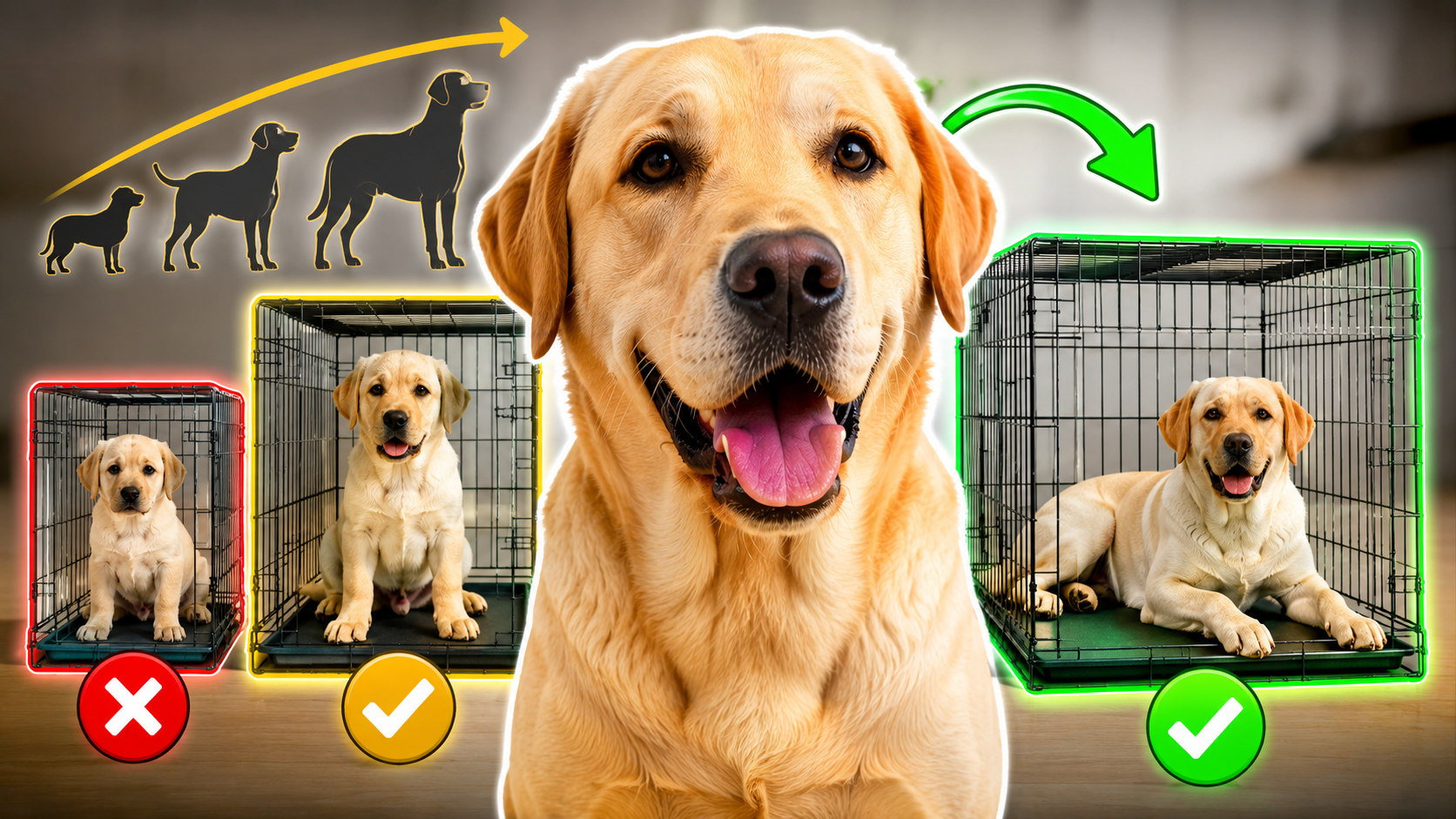
One week they look tiny and wobbly. A little later, they are all legs, paws, and excitement. Because of that, most owners do best with one larger crate and a divider panel.
For a Lab puppy, the usual approach is to:
- Buy the crate size your dog will need as an adult
- Use a divider to reduce the usable space
- Move the divider as your puppy grows
This is usually more affordable and makes training easier.
Why A Divider Works SO Well?
A divider gives your puppy enough room to:
- Stand up
- Turn around
- Lie down and sleep comfortably
But it does not leave so much open space that one side of the crate becomes a toilet area.
That is important because puppies naturally try to keep their sleeping area clean. This can help a lot with potty training. If the crate is too large too soon, that benefit can disappear.
Puppy Age And Crate Needs:
Every Labrador grows at a different pace, but this general breakdown can help.
8 To 12 weeks
- Use a smaller section of the crate with a divider
- Leave enough space for sleeping and turning only
3 To 6 months
- Increase the space little by little
- Check often to make sure your puppy still looks comfortable
6 To 12 months
- Many Labs are nearing their adult crate size
- Some still benefit from the divider for a little longer
When A 48-Inch Crate Makes More Sense
Not every Labrador fits neatly into the average range.
A 48-inch crate can be the better choice if your dog is:
- Taller than average
- Broad through the shoulders or chest
- Over 80 pounds
- A Lab mix with a larger body type
- Looking cramped inside a 42-inch crate
Some Labs have a more solid build and simply need more room to feel comfortable. If your dog looks tight in a 42-inch crate, it is worth sizing up.
Signs Your Lab May Need A Larger Crate:
Pay attention if you notice any of these signs:
- Your dog’s head or back touches the top
- Turning around looks awkward
- Your dog avoids lying flat
- Getting in and out seems stiff
- Your dog settles poorly despite consistent crate training
A crate should feel secure and calm, not tight and frustrating.
Choosing The Right Crate Type For A Labrador:
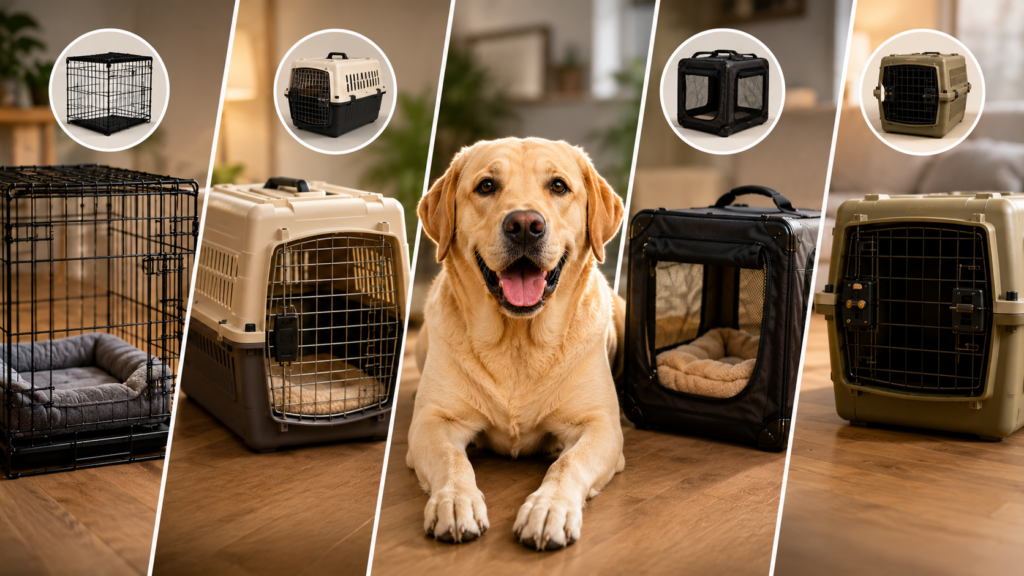
Size is the first thing to get right, but crate type matters too. Labradors are strong dogs, and some can be surprisingly determined when they want out. If you have ever watched a young Lab nudge a latch with total confidence, you know exactly what I mean!
Wire Crates
Wire crates are popular because they:
- Have good airflow
- Let your dog see what is going on
- Often come with divider panels
- Fold down for storage or travel
For many families, a wire crate is a simple and practical choice for home use.
Plastic Crates
Plastic crates feel more enclosed, which some dogs prefer. They are often used for:
- Travel
- Dogs that like a den-like space
- Quieter rest areas
If you choose a plastic crate for a Lab, make sure it is sturdy enough for your dog’s size and strength.
Heavy-Duty Crates
These crates are often best for:
- Powerful chewers
- Dogs that try to escape
- Dogs that panic in lighter crates and may hurt themselves
Not every Labrador needs this kind of setup, but some do much better in a stronger crate.
Common Crate Mistakes Lab Owners Make:
Even with a good crate, a few common mistakes can make the experience harder than it needs to be.
Choosing A Crate Based On Age Only
A Labrador puppy will not stay small for long. Buying for current size alone often means you outgrow the crate very quickly.
Picking A Crate That Is Too Large For House Training
It is natural to think bigger is better, but too much extra room can slow down potty training.
Using The Crate For Too Many Hours
A crate is a helpful tool, but it is not meant to replace exercise, play, walks, and family time. Labs need movement and interaction every day. Humane World for Animals shares helpful crate training guidance here: humaneworld
Skipping Positive Crate Training
Dogs do better when the crate feels pleasant and predictable. Use treats, gentle praise, toys, and short sessions so your Lab learns that the crate is a good place to be.
How Long Can A Labrador Stay In A Crate?
There is no one-size-fits-all answer here. It depends on your dog’s age, energy, bladder control, and comfort level.
In general:
- Young puppies need frequent potty breaks
- Adolescent Labs need more exercise and stimulation
- Adult Labs can handle longer periods, but still need regular breaks and attention
A crate works best as one part of a healthy routine. It should support your dog’s day, not take over the whole day.
The American Kennel Club also has useful crate training guidance for dog owners here: Puppy Get Groomed
Crate Comfort Tips For Labs:
Once you have the right size, a few simple touches can make the crate feel more inviting.
Add Comfort Without Overdoing It
You can try:
- A washable crate mat or pad
- A light blanket
- A safe chew toy
- Good airflow around the crate
If your Lab is still chewing everything in sight, keep bedding simple and safe.
Place The Crate In A Calm Area
A good crate location might be:
- A quiet corner of the living room
- A spot near the family but away from heavy foot traffic
- A bedroom at night for a young puppy
Labradors are social dogs. Many of them settle better when they can still feel close to their people.
A Quick Note On Overall Lab Wellness:
Crate training is only one part of caring for a Labrador. Everyday wellness matters just as much. Owners often have questions about feeding, exercise, grooming, and routine vet care.
You may also see health-related searches online, such as dog shaking after leptospirosis vaccine, is leptospirosis vaccine safe for dogs, leptospirosis 4 way vaccine dogs, or is leptospirosis vaccine necessary for dogs.
Those are valid questions, but answers should come from your veterinarian, who can look at your dog’s age, health history, local risks, and lifestyle. If your Lab ever seems unwell after a vaccine or at any other time, it is always best to contact a qualified professional.
Best Crate Size Summary For Labs:
If you just want the short version, here it is.
For Most Adult Labs
- A 42-inch crate is the best fit
For Larger OR Taller Labs
- A 48-inch crate may be more comfortable
For Lab Puppies
- Use an adult-size crate with a divider panel
That setup works well for many homes and helps you avoid buying multiple crates as your puppy grows.
Final Thoughts:
Choosing a crate for your Labrador does not have to feel confusing. For many adult Labs, a 42-inch crate is the right place to start. From there, your dog’s body shape, comfort, and daily routine will help you decide if that size is ideal or if a 48-inch crate makes more sense.
The best crate is not just about numbers. It is about giving your dog a space that feels safe, comfortable, and useful in everyday life. Measure your Lab, think about how the crate will be used, and choose the option that supports both training and rest. That little bit of planning can make a big difference.
CTA
Looking for more clear, dog-friendly advice you can actually use at home? Explore more guides on Dog Wellness Hub for practical tips on Labrador care, training, and everyday wellness. A better setup today can make life easier for both you and your dog.
FAQs
Is A 36-Inch Crate Big Enough For A Lab?
In most cases, no. Adult Labradors usually need more space than a 36-inch crate provides.
Can A Lab Puppy Use A 42-Inch Crate?
Yes, as long as you use a divider panel so the space matches your puppy’s current size.
Should I Cover My Lab’s Crate?
Some Labs like a partial cover because it feels cozy, while others prefer an open view. Watch your dog’s behavior and choose what helps them relax.
What IF My Lab Is Between Two Crate Sizes?
If your dog is close to the upper end of one size, going up to the next size is usually the better choice for comfort.
Disclaimer: The information provided in this article is for educational and informational purposes only and is not intended as veterinary or professional advice.
About The Author