Bringing a new dog home is easily one of life’s most rewarding adventures. Whether you’ve just adopted a bouncy puppy who trips over their own paws or welcomed a gentle senior rescue with a frosty face, the feeling is the same: pure excitement mixed with just a little bit of panic. You might be thinking, “Okay, they’re here. Now what?”
If you’re a first-time dog owner, having questions is normal. In fact, it’s a good sign—it means you care about doing things right. Dogs rely on us for everything, from the food in their bowls to the structure of their day. It’s a big responsibility, but it doesn’t have to be scary.
This guide is designed to walk you through the absolute essentials of dog ownership. We’ll break down everything you need to know to keep your new best friend happy, healthy, and thriving, without overwhelming you with complex jargon or impossible standards.
Setting Up Your Home for Success
Before we dive into diet and training, let’s talk about environment. Your home is your dog’s entire world, and a few small adjustments can make a huge difference in their comfort and safety. Think of this as “baby-proofing,” but for a creature that can chew through drywall if they get bored enough.
Creating a Safe Space
Just like humans, dogs need a space to call their own. This is where they can retreat when they’re tired, overwhelmed, or just want a nap.
- Designate a Spot: Choose a quiet corner for your dog’s bed or crate. Avoid high-traffic areas like the main hallway where they might be constantly disturbed. Ideally, this spot should be near the family but not in the chaos.
- Remove Hazards: Get down on your hands and knees to see the room from your dog’s perspective. Secure loose electrical cords (which look like fun chew toys), pick up small objects like coins or hair ties that could be swallowed, and move toxic plants out of reach.
- Gate Off Areas: If there are rooms you don’t want your dog exploring yet—like a formal dining room or a nursery—use baby gates to create clear boundaries. Prevention is always easier than correction.
Essential Supplies Checklist
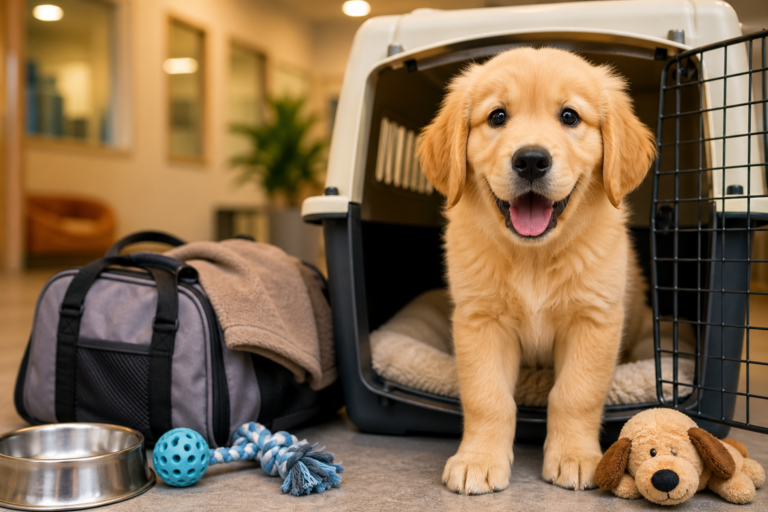
You don’t need to buy the entire pet store, but having the basics ready will make the transition smoother. Here is what you actually need on day one:
- Two bowls: One for food, one for water. Stainless steel or ceramic is best as they are easier to clean than plastic.
- A comfortable bed: Make sure it’s washable. Accidents happen!
- A sturdy leash and collar: Attach an ID tag immediately with your current phone number.
- Poop bags: Buy them in bulk. You will need more than you think.
- A few durable toys: Look for a mix of chew toys and soft toys to see what they prefer.
- Grooming supplies: A basic brush and dog-safe shampoo suitable for their coat type.
Nutrition: Fueling Your Dog’s Life
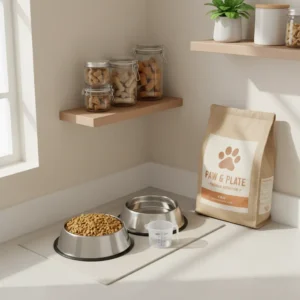
What you put in your dog’s bowl matters. Proper nutrition affects their energy levels, coat condition, and longevity. The goal is to provide a balanced diet that supports their specific needs, not just fill their belly.
Understanding Dog Food Labels
Walking down the pet food aisle can be confusing. The bags are colorful, and the claims are bold. Here is a simple way to decode what you’re seeing:
- Look for Meat First: The first ingredient listed should always be a specific protein source, like “Chicken,” “Beef,” or “Salmon.” Avoid foods where the first ingredient is generic “meat meal” or a grain.
- Watch Out for Fillers: Ingredients like corn, wheat, and soy often serve as cheap fillers. While grains aren’t bad for all dogs, you want a food where the primary nutrition comes from high-quality sources, not just starch.
- Life Stage Matters: Puppies need more calories and specific nutrients like calcium for bone growth. Seniors need fewer calories and often benefit from joint support supplements. Always buy food that matches your dog’s age.
Establishing a Feeding Routine
Dogs thrive on consistency. Feeding them at the same times every day helps with digestion and makes potty training much easier because you can predict when they’ll need to go out.
- Measure Meals: Use an actual measuring cup, not just a random scoop. Obesity is a major health issue for dogs, and even a little extra weight can put strain on their joints.
- Fresh Water: Ensure your dog always has access to clean, fresh water. Wash the bowl daily to prevent that slimy bacteria buildup.
- Treats in Moderation: We all love spoiling our pups, but treats shouldn’t make up more than 10% of your dog’s daily calorie intake. Use them strategically for training.
Health and Veterinary Care
Think of your veterinarian as your teammate. You don’t need to wait for an emergency to visit them; preventative care is the best way to avoid serious (and expensive) issues down the road.
The First Vet Visit
Schedule a vet appointment within the first week of bringing your dog home. This establishes a baseline for their health and catches any hidden issues early.
- Vaccinations: Your vet will set up a schedule for core vaccines (like rabies and distemper) and discuss non-core options based on your location (like Lyme disease or kennel cough).
- Parasite Prevention: Fleas, ticks, and heartworm are serious threats. Heartworm, spread by mosquitoes, is particularly dangerous and costly to treat. Your vet can prescribe easy-to-use monthly preventatives to keep your dog safe year-round.
- Spaying/Neutering: Discuss the best timing for this procedure with your vet. It varies significantly by breed and size, so don’t rely on generic internet advice.
Daily Health Checks
You know your dog better than anyone. A quick daily check while you’re cuddling can help you catch problems early.
- Ears: Check for redness, bad smells, or dark wax buildup. This could indicate an infection.
- Teeth: Bad breath isn’t just unpleasant; it can signal dental disease. Try to brush their teeth regularly or use enzyme-coated dental chews.
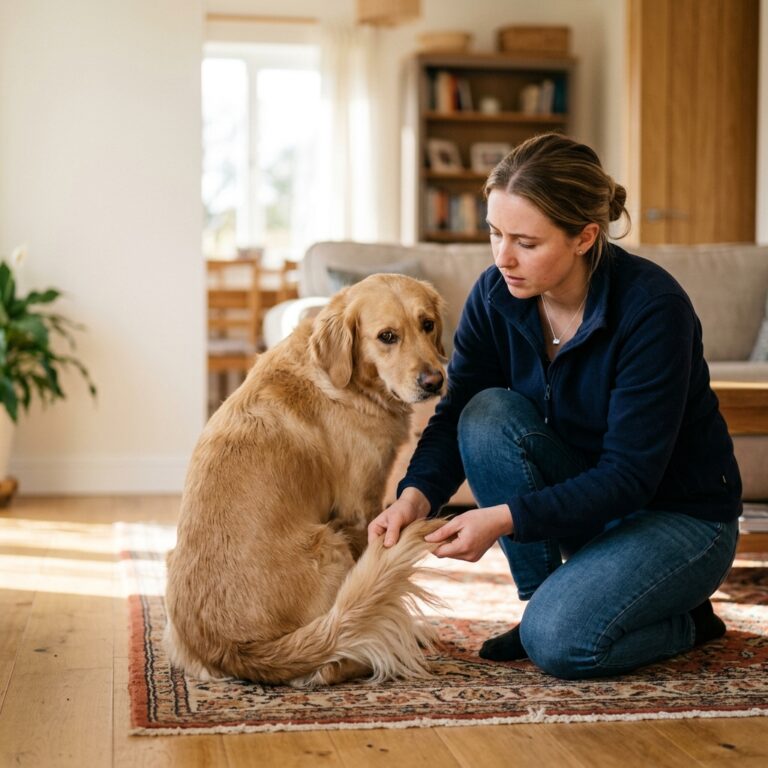
- Paws: Look for cuts on the pads or overgrown nails that need trimming. Long nails can change the way a dog walks and cause pain.
For more detailed information on animal health and welfare standards, the USDA Animal Care website provides excellent resources and regulatory information.
Exercise and Enrichment
A bored dog is often a destructive dog. If your dog is chewing the sofa or barking at the wind, they likely need more to do. Physical activity and mental challenges keep your dog calm and content.
Physical Activity Needs
Every dog needs to move, but the amount depends on the dog.
- High Energy: Working breeds like German Shepherds, Border Collies, and Retrievers often need over an hour of vigorous exercise daily. A quick walk around the block won’t cut it.
- Low Energy: Breeds like Bulldogs, Basset Hounds, or older dogs may be happy with shorter, leisurely strolls.
- Consistency: Try to walk your dog at least once a day. It’s not just about the bathroom; the “sniffari” (letting them sniff everything) is crucial for their mental health. It’s how they read the neighborhood news.
Mental Stimulation
Brain games can tire a dog out just as much as a long run. This is great news for rainy days.
- Puzzle Toys: These toys require your dog to slide, flip, or roll parts to get a treat. It keeps them occupied for long periods.
- Scent Games: Hide treats around the living room and encourage your dog to “find it.” Using their nose is incredibly exhausting for them (in a good way).
- Training: Learning new tricks challenges their mind and strengthens your bond. Even five minutes of practicing “sit” and “stay” can help burn mental energy.
Basic Training and Socialization
Training isn’t about being strict; it’s about communication. It teaches your dog how to navigate the human world safely and confidently.
The Power of Positive Reinforcement
The modern, science-backed way to teach a dog is to reward what they do right, rather than punishing what they do wrong.
- Rewards: Use small treats, praise, or a favorite toy to reward good behavior immediately. The reward has to be worth working for!
- Timing: Reward the behavior the second it happens so the dog makes the connection. If you wait too long, they won’t know why they are getting a treat.
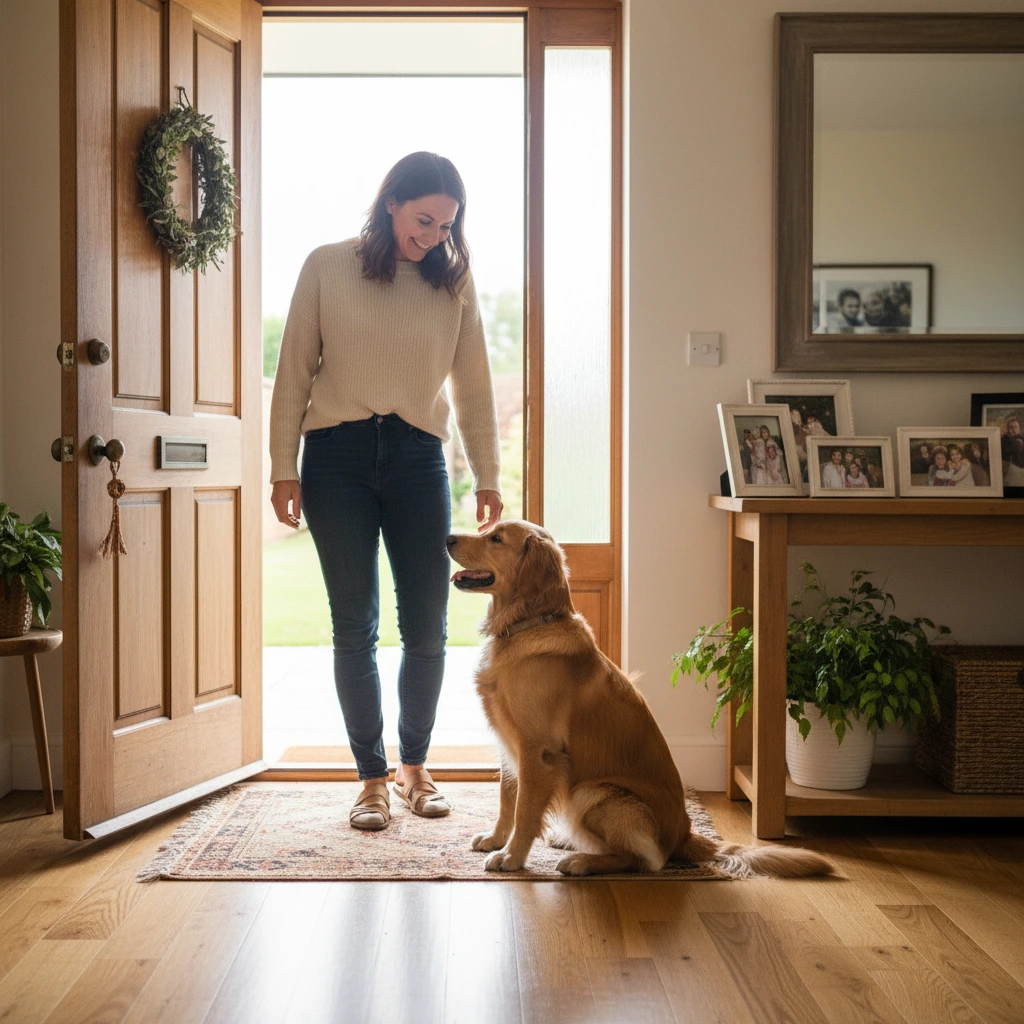
- Ignore Bad Behavior: Often, ignoring unwanted behavior (like jumping up) works better than scolding. If you push them down or yell, they might think it’s a game. Turning your back removes the attention they want.
Socialization is Key
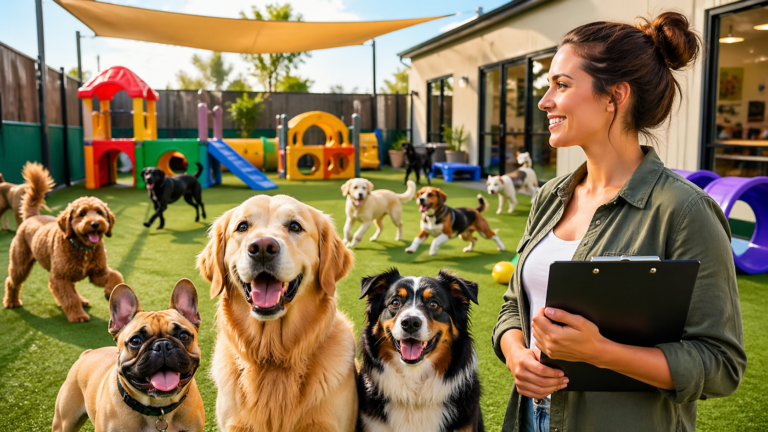
Socialization doesn’t just mean playing with other dogs. It means introducing your dog to new people, sounds, surfaces, and environments in a positive way so they aren’t afraid of the world.
- Start Slow: Don’t overwhelm your dog. Start with quiet environments and slowly work up to busier places.
- Positive Associations: Bring treats with you to new places so your dog learns that new experiences result in good things. “Scary trash truck = yummy treat.”
- Respect Their Limits: If your dog looks scared (tail tucked, ears back, panting), remove them from the situation. Forcing them to “face their fears” can actually make the fear worse. Try again later at a slower pace.
Grooming Basics: More Than Just Looks
Grooming isn’t just about making your dog look pretty; it’s a hygiene issue. Regular grooming allows you to check for lumps, bumps, and fleas.
- Brushing: Brushing removes dead hair and dirt and distributes natural oils. Even short-haired dogs benefit from a good brushing once a week.
- Bathing: Don’t overdo it. For most dogs with healthy skin, a bath once a month is sufficient. Bathing too frequently can strip natural oils and cause dry, itchy skin.
- Nail Trimming: If you can hear your dog’s nails clicking on the floor, they are too long. If you are nervous about cutting them yourself, most vet clinics and groomers offer this service for a small fee.
Conclusion
Owning a dog is a journey of learning, patience, and incredible companionship. There will be messy days, muddy paws, and perhaps a chewed-up shoe or two. But the loyalty, laughter, and unconditional love you receive in return make every bit of effort worth it.
Trust your instincts, be patient with yourself and your new companion, and enjoy the ride. You are building a friendship that will last a lifetime.
If you’re looking for more tips on training, nutrition, or health, explore the rest of our resources here at Dog Wellness Hub. We’re here to help you be the best pet parent you can be.
Frequently Asked Questions
What human foods are safe for dogs?
Many fruits and vegetables are safe in moderation. Good options include carrots, green beans, apples (without seeds), and plain pumpkin. Avoid grapes, raisins, onions, garlic, chocolate, and anything with xylitol, as these are toxic.
My dog is chewing everything. How do I stop it?
Chewing is natural behavior, especially for puppies. To stop destructive chewing, ensure your dog has plenty of appropriate chew toys. When you catch them chewing something they shouldn’t, calmly redirect them to one of their own toys and praise them when they chew that instead.
Do I really need to use heartworm prevention in the winter?
Yes. In many climates, mosquitoes (which carry heartworm) can survive in sheltered areas or emerge during brief warm spells. Because heartworm disease is so dangerous and expensive to treat, year-round prevention is the safest choice recommended by veterinarians.
About The Author