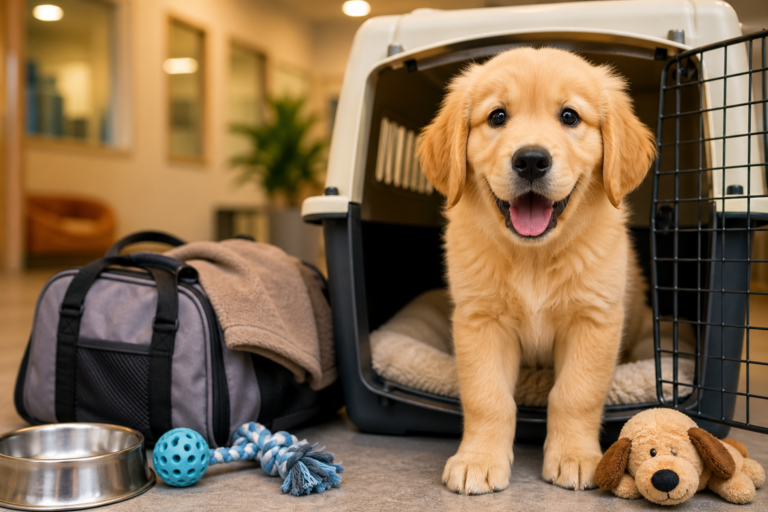
If you spend your weekends hanging out at the local dog park, know the names of all the neighborhood pups, and have always dreamed of working with animals, opening a pet care business might be your next big step. There is nothing quite as rewarding as turning your genuine passion for dogs into a real, thriving business.
But let’s be honest: taking care of other people’s pets requires much more than just a love for animals. If you are wondering how to start a dog daycare, you need solid planning, a deep understanding of dog behavior, and a good business structure. Whether you are looking to become your own boss or want to create a safe, fun space for the pets in your community, this guide will show you exactly how to get started on the right foot.
In this post, we will cover everything you need to know: from creating a realistic business plan and finding the right location, to designing safe play zones and hiring the best staff.
Why Starting A Dog Daycare is A Smart Move?
The way we treat our pets has completely changed over the last decade. Dogs are official family members. Their owners work long hours and often feel guilty leaving them home alone all day. They want their furry companions to socialize, get plenty of exercise, and receive constant attention while they are at the office.
This need has created an incredible opportunity. A well-managed facility does not just solve a major problem for busy owners; it actively improves the dogs’ quality of life. When you offer a safe, stimulating environment, clients will happily bring their dogs back day after day.
First Steps: Research And Business Planning:
Before you start buying chew toys or signing a commercial lease, you need to understand your local market. Jumping in without a plan is a quick recipe for stress.
Understand Your Local Community:
Take the time to study your local area. Ask yourself a few basic questions:
- How many pet care facilities already exist in your city or neighborhood?
- What specific services do they offer, and what do they charge?
- Is there a specific service missing? (For example, pet taxi services, basic grooming, or live webcams).
- Where do the majority of working dog owners live or commute?
Talk to owners at local parks. Ask them what they actually look for in a care facility. This direct feedback is absolute gold for your new business.
Create A Realistic Business Plan:

A business plan does not have to be an overwhelming, corporate document. It is simply a roadmap for your ideas. To figure out how to start a dog daycare successfully, your plan should include:
- Startup costs: Rent, business licenses, insurance, facility renovations, and equipment.
- Revenue projections: How many dogs do you need to host daily just to break even?
- Pricing strategy: Decide if you will charge by the hour, offer full-day rates, or sell monthly packages.
- Emergency fund: Unexpected expenses always pop up during the first few months of operation.
Navigating Legal Requirements And Regulations:
Dealing with paperwork and local bureaucracy can be tedious, but it is absolutely fundamental. Working with live animals means you must comply with strict health and safety standards.
Licensing And Permits:
Depending on your city and state, you will need specific permits to operate legally. This usually includes a general business license, a health department permit, and an animal care-specific license. I highly recommend checking out local government portals or reviewing guidelines from the USDA Animal Welfare Information Center to understand the baseline standards for animal care and housing.
Liability Insurance:
Never open your doors without comprehensive insurance. Dogs can get into scuffles, hurt themselves while running, or damage property. You need a commercial liability policy and a specific animal bailee insurance policy (which covers the pets while they are in your care). This protects you, your staff, and the animals.
Finding The Perfect Location:
The building you choose will dictate a huge chunk of your success. You cannot just set up a pet facility anywhere. You have to find a balance between convenience for the owners and comfort for the dogs.
Zoning Laws:
Most cities have strict zoning laws. Many retail or commercial areas do not allow animal-related businesses because of the noise and smells. You will likely need to look for light industrial zones or specific commercial areas that explicitly allow kennels or veterinary clinics.
Indoor And Outdoor Space Needs
Dogs need plenty of room to run, but they also need quiet places to rest.
- Play areas: You will need roughly 75 to 100 square feet per dog, depending on their size and energy levels.
- Outdoor zones: A securely fenced outdoor yard is ideal. Make sure fences are at least six to eight feet tall and partially buried to prevent diggers from escaping.
- Acoustics: A room full of barking dogs generates a massive amount of noise. Invest in acoustic panels and soundproofing materials to keep the peace with your commercial neighbors.
Facility Design: Safety First
The layout of your facility should prevent accidents before they even happen. Safety always has to be your number one priority.
Double-Gated Entries
Never rely on a single door. Every single entrance and exit to the dog areas must feature a double-gated system (a small vestibule between two doors). If a quick pup slips past the first door, the second door keeps them safely inside the building.
Easy-To-Clean Flooring
Polished concrete is cheap but very hard on a dog’s joints, and it gets dangerously slippery when wet. Instead, consider applying textured epoxy coatings or installing specialized rubber flooring. These materials are easy to sanitize, non-slip, and much more comfortable for dogs to run and play on all day.
Proper Ventilation And Climate Control:
Fresh air is vital to prevent the spread of common airborne illnesses like kennel cough. You need a robust HVAC system that constantly cycles in fresh air rather than just blowing stale air around. You can read more about the importance of ventilation in animal facilities through the CDC’s Healthy Pets guidelines.
Separating By Size And Temperament:
You cannot put a nervous five-pound Chihuahua in the same playroom as a bouncy, high-energy Labrador. Design your space with sturdy partition walls to create distinct, separate areas:
- Small and gentle dogs.
- Large and active dogs.
- Senior or shy dogs that need a calm, low-energy environment.
Daily Operations And Pack Management:
Having a beautiful facility means nothing if you do not know how to manage the dogs. The daily routine must be structured, calm, and predictable.
Temperament Testing
Not every dog is a good fit for an open-play environment. Some are reactive, some have extreme separation anxiety, and some just prefer hanging out with humans rather than other dogs. Before accepting a new client, conduct a mandatory temperament test. Introduce them slowly to the pack and watch their body language. It is always better to politely turn away a dog than to risk the safety of the rest of the pack.
Play And Rest Schedules:
Just like toddlers, dogs need naps. Running and playing non-stop for eight hours creates overstimulated, cranky animals. Set up a daily routine that includes:
- Active, supervised play in the morning.
- A mandatory quiet rest period in the middle of the day (usually 1 to 2 hours) with dim lighting and calming music.
- Moderate play in the afternoon before owners arrive for pickup.
Strict Cleaning Protocols:
Cleaning is a massive part of this job. Develop a daily cleaning protocol using pet-safe, veterinary-grade products. Use specialized vacuums for pet hair, enzymatic cleaners for urine accidents, and ensure a deep scrub of all toys, floors, and water bowls at the end of every single shift.
Hiring The Right Staff
You cannot do this all by yourself. As your pack grows, you will need a team you can trust completely.
Qualifications To Look For:
Look for people who don’t just love petting dogs, but who can stay calm under pressure. Previous experience working in animal shelters, veterinary clinics, or dog training is a massive bonus.
Make sure you thoroughly train your staff on:
- Canine body language (so they can spot and interrupt a fight before it starts).
- Pet first aid and canine CPR.
- Safe handling techniques for multiple dogs.
- Your specific emergency and cleaning protocols.
Marketing Your New Business:
Once your doors are ready to open, you need pet parents to find you.
- Social Media: Instagram and Facebook are your best friends. Owners absolutely love seeing photos and videos of their dogs having fun. Post daily updates and behind-the-scenes clips.
- Local Partnerships: Build relationships with local veterinarians, dog groomers, and pet supply stores. Hand out flyers and offer them a referral discount.
- Open House Events: Before you officially open for business, host a “humans only” open house. Let local owners walk through the facility, meet you and your staff, and see firsthand how clean and safe the environment is.
Frequently Asked Questions (FAQs)
Is A Dog Daycare A Profitable Business?
Yes, it can be very profitable if you maintain steady daily attendance and carefully manage your overhead costs. Offering add-on services like exit baths, nail trims, or basic obedience training can significantly boost your revenue.
How Many Dogs Can One Staff Member Safely Watch?
The industry standard is typically one trained staff member for every 10 to 15 dogs, depending heavily on the size, age, and energy level of the pack.
What Happens IF A Dog Gets Sick OR Injured while AT The Facility?
You must have an isolation room to separate a sick dog immediately. You also need a strict emergency protocol in place to instantly contact the owner and transport the dog to a trusted emergency veterinarian if necessary.
Take The First Step Toward Your Dream:
Figuring out how to start a dog daycare is an exciting journey. It takes dedication, physical hard work, and a genuine, deep-rooted passion for animal welfare. By focusing heavily on safety, maintaining incredibly high hygiene standards, and building a trustworthy team, you will create a wonderful second home for the pets in your community.
Are you ready to turn your love for dogs into a thriving, rewarding business? Start today by mapping out your business plan and scouting local real estate. Your future four-legged clients are waiting for you!
For more tips, guides, and practical advice on pet care and business ownership, be sure to explore the rest of the resources right here at Dog Wellness Hub.
About The Author