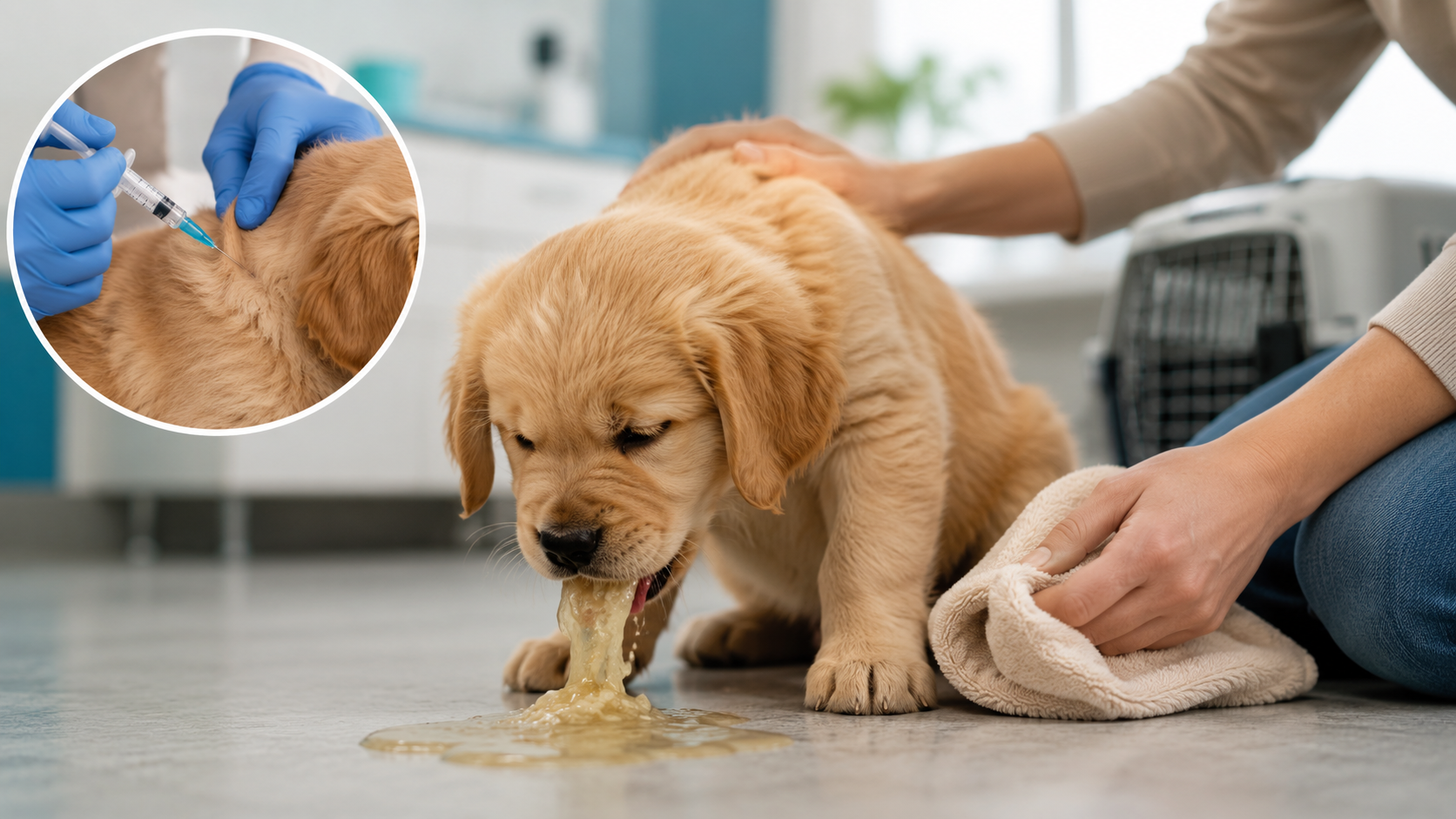
Puppy Vomiting After Vaccines can be scary, especially if your little pup seemed fine just hours earlier. This guide will help you understand what may be normal, what warning signs matter, and how to care for your puppy safely at home while knowing when it’s time to call the vet.
Bringing a puppy home is full of happy moments, so it’s upsetting when something feels off after a vet visit. A little stomach upset can happen after vaccines, but repeated vomiting, weakness, swelling, or trouble breathing should never be brushed aside. The good news is that many mild reactions pass quickly with rest and close watching.
In this guide, we’ll cover:
- Why some puppies vomit after vaccines
- What symptoms are mild and what symptoms are urgent
- Simple steps you can take at home
- When to contact your veterinarian right away
How to make future vaccine visits easier on your puppy
Why Puppies May Vomit After Vaccines?
Vaccines work by teaching your puppy’s immune system how to respond to certain diseases. That process can sometimes cause mild side effects for a short time. Just like people may feel tired or sore after a shot, puppies can also have a temporary reaction.
Vomiting after vaccines does not always mean something is seriously wrong. In many cases, it is a brief response that settles within several hours. Still, you want to watch your puppy carefully because some reactions need prompt care.
Common reasons a puppy may vomit after vaccination include:
- Mild stomach upset from immune system activation
- Stress from the car ride, exam, or shots
- Eating too fast after coming home
- Pain or discomfort that makes the puppy feel unsettled
- A stronger allergic-type reaction, which is less common but more serious
Some puppies are more sensitive than others. Tiny breeds, very young puppies, and pups with a history of reactions may need closer monitoring.
What Mild Vaccine Reactions Usually Look Like?
A mild reaction can look unpleasant, but it often improves quickly. Your puppy may seem a little quiet, sleep more than usual, or skip one meal. Some puppies vomit once and then settle down.
Mild signs can include:
- One episode of vomiting
- Tiredness or low energy
- Mild soreness at the injection site
- Slight decrease in appetite
- Wanting extra rest
- Mild fussiness or clinginess
These symptoms often show up within a few hours of vaccination. Many puppies are back to normal by the next day.
That said, trust your gut. If your puppy seems much worse instead of better, it’s smart to call your vet.
When Vomiting After Vaccines Is More Serious
Not every post-vaccine reaction is mild. Some signs point to a stronger reaction that needs fast medical attention. The timing matters too. Serious reactions often happen shortly after the vaccine, but delayed reactions can also occur
Red Flags to Watch For
Call your veterinarian right away or go to an emergency clinic if your puppy has:
- Repeated vomiting
- Diarrhea, especially if it is severe or bloody
- Facial swelling
- Hives or raised bumps on the skin
- Pale gums
- Trouble breathing
- Collapse or extreme weakness
- Excessive drooling
- Severe restlessness
- Signs of pain that do not ease up
These symptoms may suggest an allergic reaction or another urgent problem.
For reliable pet health guidance, you can also review information from the American Veterinary Medical Association and the Merck Veterinary Manual.
How Long Does Vomiting Last After Puppy Shots?
If the vomiting is mild and linked to a simple vaccine reaction, it usually does not last long. A single episode followed by rest, normal breathing, and improving behavior may pass within the same day.
Here is a general idea of what to expect:
- A few hours: Mild nausea or one vomit episode may happen
- Within 24 hours: Many puppies perk up and eat again
- Beyond 24 hours: Ongoing vomiting is not something to ignore
If your puppy keeps vomiting, refuses water, or acts weak, call your vet. Puppies can become dehydrated faster than adult dogs, and small bodies do not have much room for delays
What You Can Do at Home
If your puppy had just one mild vomiting episode and seems comfortable otherwise, there are a few simple things you can do while keeping a close eye on them.
Let Your Puppy Rest
After vaccines, many puppies simply need a calm place to settle down. Keep activity low for the rest of the day.
Try to:
- Skip rough play
- Limit running and jumping
- Give your puppy a quiet, cozy spot
- Stay nearby so you can watch for changes
Offer Small Amounts OF Water
Do not let your puppy gulp a huge amount of water all at once right after vomiting. That can trigger more stomach upset.
Instead:
- Offer a few small sips
- Wait and watch
- Continue with small amounts if your puppy keeps it down
If your puppy cannot keep water down, that is a reason to contact the vet.
Go Slow With Food
If vomiting has stopped and your puppy seems interested in food, you can ask your vet whether a small bland meal is okay. In some cases, your vet may suggest waiting a bit before feeding again.
Good rule: do not rush a full meal right away.
Watch the Full Picture
Vomiting by itself is one thing. Vomiting plus other symptoms is different.
Pay attention to:
- Gum color
- Energy level
- Breathing
- Swelling around the face
- Diarrhea
- Whether your puppy can keep water down
Take notes if needed. It helps when speaking with your vet
When To Call The Vet Right Away?
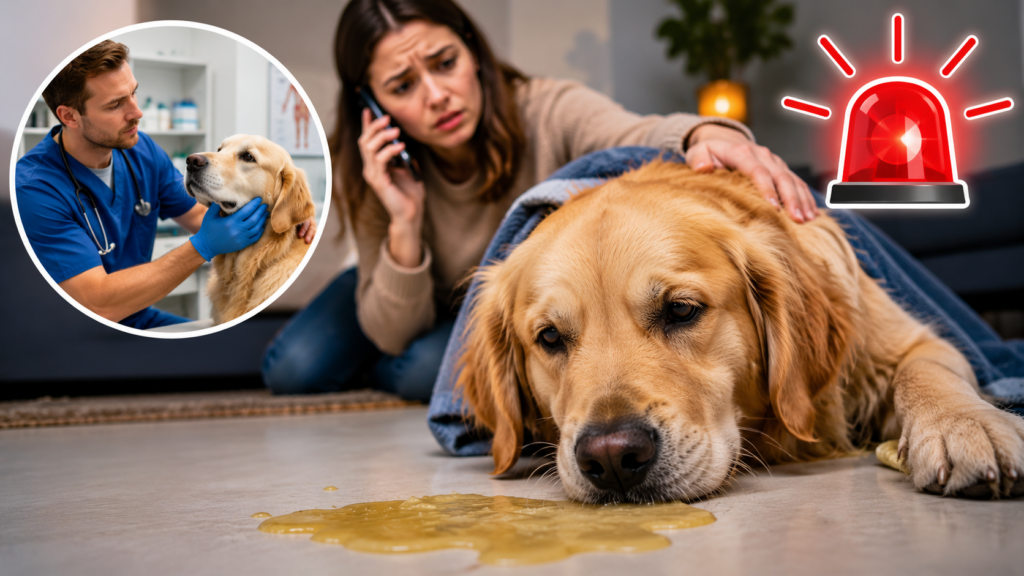
You know your puppy best. If something feels wrong, it is always okay to call. You do not need to wait for things to get worse.
Contact Your Vet Immediately If:
- Your puppy vomits more than once or twice
- The vomiting is paired with swelling or hives
- Your puppy seems floppy, shaky, or very weak
- Your puppy has trouble breathing
- There is diarrhea along with vomiting
- Your puppy stops drinking
- Symptoms continue into the next day
- Your puppy is very young, tiny, or has health issues
The CDC also shares general advice on keeping dogs healthy and spotting signs that need attention.
What Your Vet May Do?
If your puppy needs medical care, treatment depends on the cause and severity of the reaction. Sometimes the fix is simple. Other times, the vet may want to monitor your puppy more closely.
Your vet may:
- Check temperature, hydration, and heart rate
- Review which vaccines were given
- Ask how soon symptoms started
- Give anti-nausea medicine
- Provide fluids if dehydration is a concern
- Treat an allergic reaction with medications
- Recommend observation for several hours
It helps if you can tell the clinic:
- The time vaccines were given
- The time vomiting started
- How many times your puppy vomited
- Any other symptoms you noticed
- Whether your puppy ate or drank after the shots
How To Make Future Vaccine Visits Easier?
If your puppy had vomiting after vaccines once, that does not always mean vaccines should stop. It means your vet may want to adjust the plan.
Ask About a Safer Approach
Your vet may suggest:
- Spacing vaccines out instead of giving many at once
- Monitoring your puppy longer after the appointment
- Scheduling vaccines earlier in the day
- Avoiding exciting activity after the visit
- Using preventive medication in some cases if appropriate
Never skip or delay vaccines on your own without veterinary advice. Puppies need protection against serious diseases, and your vet can help balance safety with prevention.
Other Problems That Can Look Similar
Sometimes vomiting after a vaccine is not really caused by the vaccine at all. Puppies explore the world with their mouths, eat too fast, chew random things, and pick up stomach bugs easily.
Other possible causes include:
- Motion sickness from the car ride
- Eating treats too quickly after the visit
- Intestinal parasites
- Sudden food change
- Chewing and swallowing something they should not
- A viral or bacterial stomach issue
That is why the full context matters. Timing helps, but it is not the only clue
A Quick Word About Similar Search Terms:
Pet owners often search for many versions of the same symptom when they are worried. If that is you, you are not alone. Here are a few related concerns people commonly look up.
- dog vomiting after shots
- puppy vomiting after vaccination
- dog vomiting after neutering
- dog is vomiting diarrhea and not eating
- dog coughing vomiting white foam
- dog still vomiting after cerenia injection
These situations can have different causes, so it is important not to assume they all mean the same thing. If your puppy’s symptoms seem unusual or severe, a veterinary exam is the safest next step.
Simple Signs Your Puppy Is Starting To Feel Better:
Once the worst has passed, you will usually notice small improvements first. That can be a relief.
Good signs include:
- Your puppy keeps water down
- Vomiting stops
- Energy begins to return
- Interest in food slowly comes back
- No swelling or breathing trouble appears
- Your puppy wants to interact and rest normally
Recovery may be gradual over several hours. A sleepy puppy after vaccines is common. A puppy that keeps getting weaker is not.
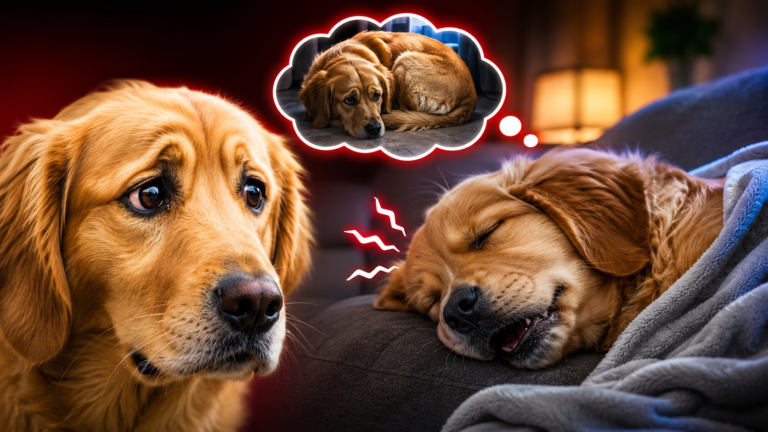
Tips for Monitoring Your Puppy Overnight:
Sometimes symptoms start in the evening, and that can make pet parents extra nervous. I get it. Those quiet nighttime hours can make every sound seem bigger than it is.
Here are a few practical ways to monitor your puppy:
- Keep your puppy close to where you are sleeping
- Check breathing every so often
- Make sure fresh water is available in small amounts
- Look for facial swelling before bed and again in the night
- Notice whether your puppy can settle and rest comfortably
- Keep your vet’s emergency number nearby
If you are staying awake because your puppy seems “off,” that alone may be a clue worth taking seriously.
The Bottom Line
Seeing your puppy vomit after vaccines is upsetting, but not every case is an emergency. A single mild episode with tiredness and a little soreness may pass with rest and careful watching. Repeated vomiting, swelling, diarrhea, weakness, or breathing trouble are different and need fast veterinary care.
The best approach is simple:
- Stay calm
- Watch closely
- Offer small sips of water
- Let your puppy rest
- Call your vet if symptoms are severe, repeated, or getting worse
Vaccines are still an important part of keeping your puppy healthy. If your puppy had a rough reaction, talk openly with your vet about how to make the next visit safer and easier. A good plan can protect your pet without leaving you feeling worried every time shots are due.
If you found this guide helpful, keep exploring Dog Wellness Hub for more practical dog care tips written for real pet parents who just want clear, trustworthy answers.
FAQs
Is It Normal For A Puppy To Vomit Once After Vaccines?
Yes, one mild vomiting episode can happen in some puppies after vaccination. If your puppy seems comfortable and improves soon after, it may be a mild reaction.
How Long Should I Watch MY Puppy After Vaccines?
Keep a close eye on your puppy for the rest of the day, especially during the first few hours. Some reactions show up quickly, while others may appear later the same day.
Should I Feed MY Puppy After Vomiting From Vaccines?
Go slowly. Offer small amounts of water first and ask your vet when to reintroduce food, especially if your puppy is still queasy.
When should I Worry About Vomiting After Puppy Shots?
Worry if vomiting is repeated or comes with swelling, diarrhea, weakness, pale gums, or trouble breathing. Those signs should be checked by a vet right away.
Can My Puppy Still Get Future Vaccines After A Reaction?
Usually yes, but the plan may need to be adjusted. Your vet may space vaccines out or monitor your puppy more closely next time.
Disclaimer: The information provided in this article is for educational and informational purposes only and is not intended as veterinary or professional advice.
About The Author