Coton de Tulear Colors: Coat Variations and Breed Characteristics

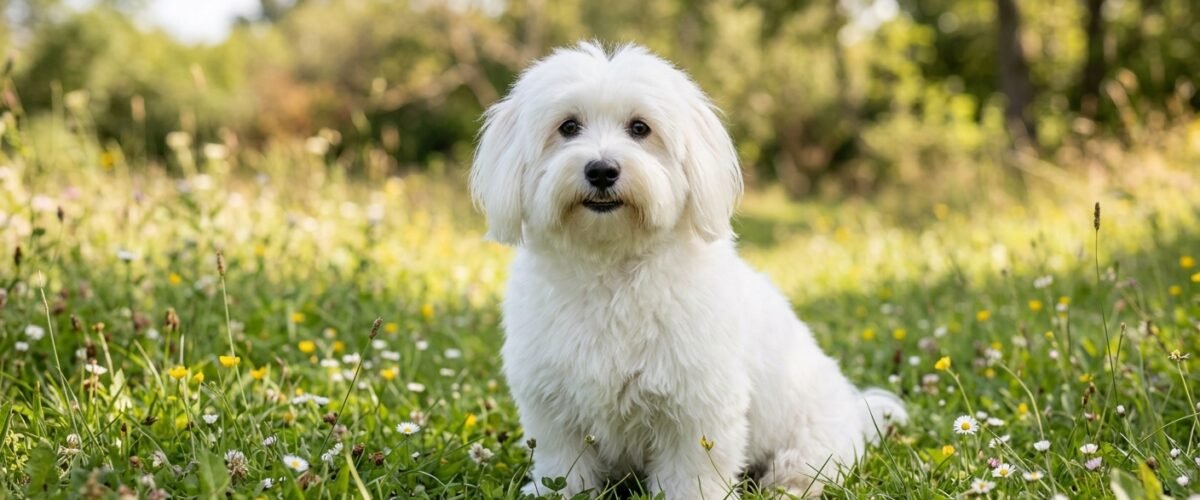
The Coton de Tulear is a small companion dog best known for its soft, cotton-like coat, expressive dark eyes, and cheerful personality. Although many people picture a bright white Coton, the breed can display subtle shades and markings that make individual dogs look different from one another.

Some puppies are born with noticeable patches of color that fade as they mature. Others develop light shading around the ears or retain small areas of cream, gray, or other permitted markings. Understanding these changes can help prospective owners know what to expect as their puppy grows.

However, coat color is only one part of the breed’s appeal. The Coton de Tulear is also known for its affectionate nature and need for companionship. Its coat requires regular care, particularly if you want to keep it long and free of tangles.

This guide explains Coton de Tulear coat colors, how the coat may change with age, what the breed looks like, and how to care for its distinctive hair.

What Colors Do Coton de Tulear Dogs Come In?

The Coton de Tulear is most strongly associated with white, but its coat may show subtle color variations, especially during puppyhood.

The American Kennel Club’s official Coton de Tulear breed profile describes the breed’s white coat and notes that certain light shadings may be present.

Common descriptions include:

  • White: The characteristic color associated with the breed.
  • White with cream shading: Light cream may appear on the ears or in other areas.
  • White with light gray markings: Some dogs may show subtle gray shading, particularly when young.
  • White with pale tan or champagne tones: These shades may be visible in certain coats, although their significance depends on the dog’s age and the applicable breed standard.

These descriptions should not be treated as a guarantee that every shade is accepted for conformation showing. Breed standards can differ in their wording, and the rules used by a kennel club may not be identical to informal descriptions used by breeders.

If you are buying a puppy for showing, consult the relevant registry’s current breed standard. If you want a companion, coat health, temperament, and responsible breeding practices matter more than a minor difference in shade.

Why Is the Coton de Tulear Usually White?

The Coton de Tulear’s white appearance is one of its defining characteristics. Coat color results from inherited genetic factors that influence pigment production and its distribution throughout the hair.

Dogs have several genetic systems that affect coat color, and the outcome depends on the combination inherited from their parents. White coats can arise through different genetic mechanisms, so it is not accurate to assume that all white dogs share one identical genetic explanation.

For the Coton de Tulear, the breed standard emphasizes a predominantly white coat. Small areas of light shading may be seen, particularly in puppies, but a dog’s appearance should be assessed using the relevant breed standard if show eligibility matters.

The UC Davis Veterinary Genetics Laboratory’s dog coat-color resource provides a useful explanation of the genetics behind canine coat color.

Coton de Tulear Puppy Colors vs. Adult Coat Colors

One of the most interesting features of the Coton de Tulear is that a puppy’s coat may not look exactly like its adult coat.

A puppy may have light cream or grayish shading that becomes less noticeable as it matures. In other dogs, subtle markings remain visible.

What Changes as the Puppy Grows?

Several aspects of the coat can change with development:

  • The shade of the hair may appear lighter or more uniform.
  • The texture may become longer and more cotton-like.
  • Areas of puppy shading may become less noticeable.
  • Grooming may become more demanding as the coat grows.

The timing and extent of these changes vary between individuals. There is no universal age at which every Coton de Tulear develops its final coat color or texture.

Photographs of the parents may provide some context, but they cannot guarantee exactly how a puppy will look as an adult.

Should You Worry About a Puppy With Cream Markings?

Not necessarily. A small amount of light shading does not automatically indicate a health problem.

However, color alone cannot establish whether a puppy is purebred or whether its breeding is responsible. Ask the breeder for pedigree documentation, veterinary records, and an explanation of the puppy’s background.

If a puppy has skin irritation, hair loss, sores, or unusual changes in pigmentation accompanied by other symptoms, seek veterinary advice. Those concerns should be assessed separately from normal coat-color variation.

Coton de Tulear Coat Texture and Appearance

The name Coton de Tulear refers to the breed’s cotton-like coat. Its hair is typically soft and can grow quite long if it is not trimmed.

Is the Coton de Tulear’s Coat Hair or Fur?

In everyday conversation, people often use “hair” and “fur” interchangeably. For grooming purposes, the important point is that the Coton de Tulear has a long, soft coat that can tangle and mat without regular care.

The coat is not maintenance-free, even though it may look fluffy and lightweight.

Long hair can collect debris and form knots in areas that experience friction, such as behind the ears, beneath the legs, around the collar, and near the tail.

Does the Coton de Tulear Shed?

Coton de Tulears are often described as low-shedding dogs, but low shedding does not mean no shedding.

Loose hairs may become trapped in the coat instead of falling away immediately. Regular brushing helps remove those hairs and reduces the chance of tangles.

The amount of visible shedding varies between dogs and may depend on coat condition, grooming, and individual characteristics.

Is the Coton de Tulear Hypoallergenic?

No dog can be guaranteed to be completely hypoallergenic.

People with dog allergies may react to proteins found in dander, saliva, and other materials, not simply to visible hair. A lower-shedding coat may be easier to manage in some homes, but it does not eliminate allergy risk.

If someone in your household has a dog allergy, spend time around the breed before making a commitment and discuss allergy management with a healthcare professional.

Coton de Tulear Coat Colors Compared

The following table summarizes common descriptions used when discussing the breed’s appearance.

Coat description What it looks like What owners should know
Predominantly white White across most of the body The characteristic appearance of the breed
White with cream shading Pale cream areas, sometimes around the ears Shading may become less noticeable as the coat matures
White with light gray shading Subtle grayish areas The appearance can vary between puppies and adults
White with pale tan tones Light beige or champagne-like shading Confirm breed-standard terminology if showing the dog

This table describes visual possibilities rather than a definitive list of every officially accepted show color. Refer to the appropriate kennel club standard for formal classification.

Does Coat Color Affect a Coton de Tulear’s Personality?

There is no reliable basis for assuming that a Coton de Tulear’s personality changes because its coat is whiter, creamier, or slightly gray.

The breed is commonly described as cheerful, affectionate, and people-oriented. However, individual temperament depends on genetics, socialization, training, health, and experience.

When choosing a puppy, pay attention to its behavior and environment rather than selecting solely by color.

Consider whether the puppy appears comfortable with gentle handling, how it responds to everyday sounds, and what information the breeder can provide about the parents’ temperament.

How to Keep a White Coton de Tulear Coat Clean

A white coat can show dirt and discoloration more easily than a dark coat. However, frequent bathing is not always the best solution.

The goal is to maintain a clean, comfortable coat without irritating the skin.

Brush Regularly

Brushing is one of the most important parts of Coton de Tulear care.

Use a suitable brush and comb to work through the coat gently. Pay particular attention to:

  • Behind the ears.
  • The underside and armpits.
  • The legs and paws.
  • Areas beneath a harness or collar.
  • The tail and hindquarters.

Work in small sections rather than pulling forcefully through knots. If a mat is tight against the skin, seek help from a professional groomer instead of cutting it out with scissors.

Bathe When Necessary

Use a shampoo formulated for dogs and rinse thoroughly. The appropriate bathing frequency depends on the dog’s lifestyle, coat condition, and skin needs.

Avoid harsh whitening products, household cleaners, and human hair treatments. These can irritate the skin or expose the dog to unsafe ingredients.

If the coat develops persistent staining around the eyes or mouth, discuss the cause with your veterinarian or groomer rather than trying to bleach the area.

Prevent Tangles Before They Become Mats

A long coat can look smooth on the surface while knots develop underneath.

Check the coat down to the skin during grooming. A comb can help identify tangles that a surface brush may miss.

If brushing becomes painful or the dog strongly resists handling, make the sessions shorter and more rewarding. Severe matting may require professional grooming.

Coton de Tulear Grooming: Long Coat vs. Short Trim

Owners can choose a longer coat or maintain a shorter companion trim, depending on preference and the dog’s tolerance for grooming.

Grooming style Advantages Considerations
Longer coat Preserves the breed’s flowing, cotton-like appearance Requires regular brushing and careful mat prevention
Shorter trim Easier to maintain for many households Still needs brushing, bathing, nail care, and skin checks
Professional grooming Helps manage coat condition and difficult tangles Requires regular appointments and a budget for grooming

A shorter trim does not eliminate all grooming needs, but it may be a practical option for owners who want a manageable coat.

Ask your groomer to recommend a style that suits the dog’s coat texture, activity level, and comfort.

Coton de Tulear Personality and Lifestyle Needs

Although this article focuses on color, a dog’s temperament and care requirements are more important to daily life than its exact shade.

Coton de Tulears are commonly kept as companion dogs and may enjoy spending time close to their families.

They can be playful and curious, but their need for companionship means that a suitable home routine matters.

Are Coton de Tulears Good Family Dogs?

They can make affectionate family companions when their needs and temperament suit the household.

Teach children to handle the dog gently and avoid pulling its hair, ears, or tail. Small dogs should be supervised around young children to reduce the risk of accidental injury.

Do Coton de Tulears Need Much Exercise?

They need regular activity, but their routine should suit their age, fitness, and health.

Walks, supervised play, and short training sessions can provide physical activity and mental stimulation. Puppies and senior dogs may need different routines.

If your dog becomes unusually tired, limps, or resists movement, seek veterinary advice rather than assuming it simply needs more exercise.

Can Coton de Tulears Be Left Alone?

Some may struggle when separated from their owners for long periods, particularly if they have not learned to settle comfortably on their own.

Build independence gradually and provide a safe resting area with appropriate enrichment. If your dog shows persistent distress when alone, seek advice from a qualified trainer or veterinary behavior professional.

Health Considerations for Coton de Tulears

Coat color alone does not determine a dog’s overall health. Responsible breeding, preventive veterinary care, nutrition, and individual medical history are more useful indicators.

Skin and Coat Problems

Persistent itching, redness, sores, scaling, or unusual hair loss should not be treated as normal coat maintenance issues.

These symptoms may have several causes, including parasites, infections, or allergies. A veterinarian can help determine the cause and recommend suitable treatment.

Dental Health

Small companion dogs can develop dental problems, so routine oral care is important.

Brush with dog-safe toothpaste and ask your veterinarian to check the teeth and gums during examinations. Persistent bad breath, difficulty eating, bleeding gums, or changes in chewing behavior deserve attention.

Inherited Health Concerns

Coton de Tulears can have inherited health risks, and responsible breeders should understand the screening recommendations relevant to the breed.

Ask for health records and documentation of appropriate testing. A puppy’s coat color or fluffy appearance does not establish that it is free of inherited conditions.

Your veterinarian can help develop a preventive-care plan suited to the dog’s age and individual needs.

How to Choose a Healthy Coton de Tulear Puppy

If you are considering buying a Coton de Tulear, choose a breeder who is willing to discuss health, temperament, and the puppy’s background.

Ask:

  1. Can I see the puppy’s veterinary records?
  2. Can I learn about the parents’ health and temperament?
  3. What health screening has been completed?
  4. How have the puppies been socialized?
  5. What grooming routine does the breeder recommend?
  6. Can you explain the puppy’s coat color and whether its appearance may change?
  7. What support is available after the puppy goes home?

Be cautious of sellers who guarantee an exact adult coat shade or use color rarity to justify a high price without providing evidence of responsible breeding.

If you are interested in a companion rather than a show dog, prioritize health, temperament, and suitability for your home over minor coat-color differences.

Adoption may also be an option. An adult Coton de Tulear can offer a clearer picture of its coat texture, grooming needs, and personality.

Common Myths About Coton de Tulear Colors

Myth 1: Every Coton de Tulear Is Pure White From Birth

Fact: Puppies may show subtle shading or markings. Their appearance can change as the coat matures.

Myth 2: A Cream-Shaded Puppy Is Automatically Not Purebred

Fact: Appearance alone cannot establish pedigree. Consult documentation and the relevant breed standard rather than relying on color alone.

Myth 3: White Dogs Do Not Shed

Fact: Coton de Tulears may shed less visibly than some other dogs, but no coat should be assumed to produce no loose hair.

Myth 4: A White Coat Is Always Easy to Keep Clean

Fact: White hair may show dirt and discoloration more readily. Regular brushing, appropriate bathing, and coat maintenance are important.

Myth 5: A Particular Coat Color Guarantees a Certain Personality

Fact: Coat color is not a reliable predictor of temperament. Genetics, socialization, health, and individual experience all matter.

Frequently Asked Questions About Coton de Tulear Colors

Are Coton de Tulears always white?

White is the breed’s characteristic coat color, but some individuals may have light cream, gray, or other subtle shading. Formal show eligibility depends on the applicable breed standard.

Can a Coton de Tulear puppy change color as it grows?

Yes, the appearance of the coat can change as the puppy matures. Light shading may become less noticeable, although the degree of change varies.

Are cream Coton de Tulears rare?

Rarity depends on how the term is used and the population being considered. A seller’s claim that a puppy is rare should not be accepted as proof of higher quality or health.

Do Coton de Tulears shed a lot?

They are often described as low-shedding dogs, but individual shedding varies. Regular brushing helps remove loose hair and prevent tangles.

Are Coton de Tulears hypoallergenic?

No dog is guaranteed to be hypoallergenic. People with allergies may react to proteins in dander, saliva, and other materials, even when a dog sheds relatively little.

How often should I groom a Coton de Tulear?

Grooming frequency depends on coat length, texture, and lifestyle. Long coats need regular brushing to prevent tangles, while shorter trims may be easier to maintain.

Does coat color affect a Coton de Tulear’s health?

Coat color alone does not establish overall health. Responsible breeding, appropriate screening, veterinary care, and the dog’s individual medical history are more useful indicators.

Final Thoughts: Choosing the Right Coton de Tulear

The Coton de Tulear is known for its soft white coat, cheerful appearance, and companionable nature. Light cream or gray shading can add variety to an individual dog’s appearance, especially during puppyhood, but color is only one small part of choosing the right companion.

Before bringing one home, learn about its grooming needs, ask about health screening, and make sure you can provide regular care and companionship.

With a suitable grooming routine, balanced nutrition, preventive veterinary care, and a home environment that meets its needs, a Coton de Tulear can be a rewarding addition to the family.

Want to make your dog’s everyday care easier? Visit Dog Wellness Hub for practical guidance on grooming, nutrition, training, and responsible pet care.

Veterinary Disclaimer

This article is for general educational purposes and does not replace veterinary advice, diagnosis, or treatment. Consult a veterinarian about persistent skin changes, unusual hair loss, dental problems, or other health concerns. For formal show-color classification, consult the current breed standard of the relevant kennel club.
Miniature Australian Shepherd Chihuahua Mix Traits, Size, and Care

Miniature Australian Shepherd Chihuahua Mix: Traits, Size, and Care

A Miniature Australian Shepherd Chihuahua mix combines two dogs with very different physical characteristics. The Miniature American Shepherd—often informally called a Mini Aussie—is an energetic herding dog, while the Chihuahua is a tiny companion breed known for its alert personality and strong attachment to its people.

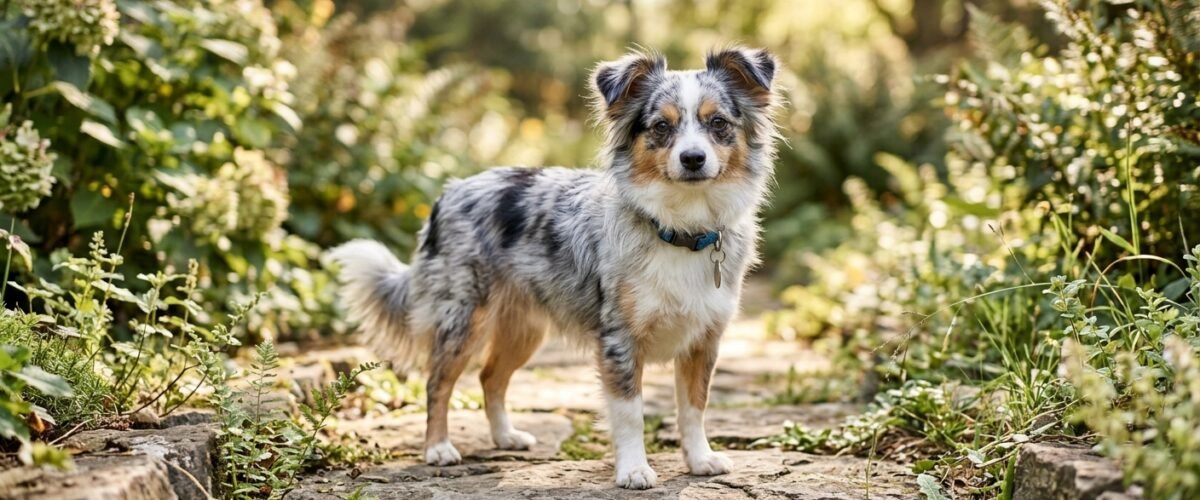
The result can be a small or small-to-medium dog with an interesting combination of traits. Some may have the expressive eyes and compact build of a Chihuahua, while others inherit the longer legs, colorful coat, or athletic appearance associated with a Miniature American Shepherd.

However, this crossbreed does not have a standardized size, appearance, or temperament. A puppy’s adult characteristics depend on its parents and the traits it inherits.

If you are considering one of these dogs, this guide explains what to expect, how to prepare for its exercise and training needs, and what to know about grooming, health, and choosing a puppy responsibly.

What Is a Miniature Australian Shepherd Chihuahua Mix?

A Miniature Australian Shepherd Chihuahua mix is a cross between a small herding dog and a toy companion breed.

There is an important naming distinction to understand. The American Kennel Club recognizes the Miniature American Shepherd as a breed. “Mini Aussie” is a common informal name for this breed, but it is not the same as simply describing any small Australian Shepherd.

You can learn more through the American Kennel Club’s Miniature American Shepherd profile and Chihuahua profile.

Because these parent breeds differ in size, body structure, and working history, their puppies may vary considerably. Some may be quite small, while others may develop a more athletic build and need more activity than a typical toy dog.

The cross is not a standardized breed with a single official breed standard, so descriptions of its appearance and temperament should be treated as possibilities rather than guarantees.

Miniature Australian Shepherd Chihuahua Mix Appearance

The appearance of this mix depends on which characteristics it inherits from each parent.

Body Shape and Size

A puppy may have a compact body and relatively short legs, or it may grow into a more athletic dog with longer legs and a narrower outline.

The Chihuahua parent can contribute a small frame, while the Miniature American Shepherd may contribute a sturdier body and greater athleticism.

Do not assume that every puppy will have the same proportions. Even puppies from the same litter can look noticeably different.

Face, Ears, and Eyes

Possible facial characteristics include a relatively narrow muzzle, expressive eyes, and ears that stand upright, fold, or sit partly raised.

Chihuahuas commonly have erect ears, while Miniature American Shepherds may have ears that are triangular and set high, with the tips folding over.

The mix may inherit either style or a combination. Eye color also varies, particularly in dogs with merle-patterned coats.

Coat Colors and Patterns

Miniature American Shepherds occur in several recognized colors, including black, blue merle, red, and red merle, with possible tan or white markings. Chihuahuas also appear in many colors and patterns.

As a result, the mix may have:

  • Black or brown coloring.
  • Red or tan shades.
  • Cream or white markings.
  • Merle-patterned areas, depending on inherited genetics.
  • A combination of dark and light patches.

These are possibilities, not a guaranteed list for every litter.

A puppy’s coat may also change in appearance as it matures. Ask the breeder about the parents’ coats and ancestry, but remember that photographs cannot predict every detail of an adult dog’s appearance.

Coat Length and Texture

Some individuals may have a short, smooth coat, while others develop longer hair or more feathering around the ears, legs, and tail.

The grooming routine should reflect the actual coat rather than the name of the crossbreed.

A short-coated dog may need less brushing, while a longer-coated individual may require more frequent grooming to prevent tangles.

How Big Does a Miniature Australian Shepherd Chihuahua Mix Get?

This is one of the most difficult characteristics to predict accurately.

Chihuahuas are very small dogs, while Miniature American Shepherds are larger, compact herding dogs. Their cross may be small or small-to-medium, but there is no reliable standardized adult weight range for this mix.

The size of the parents provides useful context, although it cannot guarantee the puppy’s final dimensions.

What Influences Adult Size?

Several factors affect how large the dog may become:

  • The actual size of both parents.
  • Inherited body proportions and growth characteristics.
  • Sex and individual development.
  • Nutrition and general health.
  • Whether the puppy inherits more of the Chihuahua’s compact build or the Miniature American Shepherd’s athletic frame.

Ask the breeder for the parents’ actual weights and heights. A veterinarian can monitor the puppy’s growth and body condition to help assess its development.

Is This Mix a Teacup Dog?

The term “teacup” is often used in marketing to describe unusually small dogs, but it is not an official size category for this cross.

Be cautious if a seller guarantees an extremely small adult weight or advertises a puppy as rare simply because it is tiny.

Very small puppies may need careful monitoring for feeding difficulties, injuries, and other health concerns. A responsible breeder should prioritize health and appropriate development rather than selecting solely for the smallest possible size.

Miniature Australian Shepherd Chihuahua Mix Temperament

The temperament of this mix can be particularly interesting because its parents were developed for different purposes.

Miniature American Shepherds are herding dogs that often enjoy activity, training, and having a job to do. Chihuahuas are alert companion dogs that may form close attachments to familiar people.

A cross may be playful, intelligent, attentive, energetic, or strongly bonded to its household. However, these traits vary between individuals.

Is This Mix Affectionate?

Many dogs from these parent breeds enjoy spending time with their families. A Chihuahua-influenced dog may prefer staying close to one person, while a Miniature American Shepherd-influenced dog may enjoy participating in family activities.

The individual dog’s personality matters more than the breed label.

Give your dog opportunities to relax independently, and avoid forcing it to be held or handled when it wants space.

Is It a Good Family Dog?

It can be a suitable family companion when the dog’s temperament and size are a good fit for the household.

However, a small dog may be vulnerable to accidental injury during rough play. Children should be taught to handle the dog gently, avoid picking it up without adult help, and leave it undisturbed while sleeping or eating.

If the dog shows herding-related behaviors, such as chasing moving feet, redirect the behavior toward an appropriate toy or training activity.

Supervise interactions with young children and assess the individual dog’s comfort around people rather than assuming that all members of the mix behave alike.

Can This Mix Be Left Alone?

Some individuals may struggle when separated from their owners, particularly if they have not learned to settle comfortably on their own.

Build independence gradually. Start with short, manageable periods in a safe environment and reward calm behavior.

If the dog repeatedly barks, destroys objects, tries to escape, or becomes distressed when left alone, consult a qualified trainer or veterinary behavior professional. These signs should not automatically be dismissed as stubbornness.

Exercise Needs: How Active Is This Mix?

Do not assume that a small dog needs very little exercise.

The Miniature American Shepherd has a working-herding background, and some mixes inherit a strong need for activity and mental stimulation. The Chihuahua side may contribute a smaller body size, but it does not eliminate the need for regular movement.

Suitable Daily Activities

Depending on age, health, and fitness, activities may include:

  • Walks at a comfortable pace.
  • Short reward-based training sessions.
  • Supervised play with suitable toys.
  • Sniffing games and food puzzles.
  • Simple agility-style games adapted to the dog’s body.
  • Opportunities to explore safe environments.

Puppies need age-appropriate activity, while adults may tolerate more demanding routines. Avoid forcing a small dog to keep up with larger dogs over long distances.

Watch for limping, reluctance to continue, excessive fatigue, or unusual breathing. Stop activity and seek veterinary advice if symptoms persist or appear concerning.

Why Mental Stimulation Matters

Herding-related traits may make some individuals especially interested in movement, patterns, and problem-solving.

Try hiding a few pieces of the dog’s measured daily food in an easy-to-search area or teaching a simple trick. These activities can provide mental engagement without requiring strenuous exercise.

Rotate activities according to your dog’s interest and ability. If an activity causes frustration or fear, simplify it and reward small steps.

Training a Miniature Australian Shepherd Chihuahua Mix

Training can be rewarding when it is consistent, positive, and adapted to the dog’s personality.

Some individuals may learn quickly but become distracted by movement or interesting smells. Others may be cautious in unfamiliar settings and need more time to build confidence.

Start With Basic Skills

Prioritize:

  1. Responding to its name.
  2. Coming when called in safe, controlled settings.
  3. Walking comfortably on a leash.
  4. Settling on a mat or in a designated resting area.
  5. Accepting gentle handling.
  6. Remaining calm around visitors and everyday household sounds.

Use small treats, praise, and play as rewards. Keep sessions short and practice in quiet surroundings before introducing distractions.

Socialization Without Overwhelming the Dog

Socialization means introducing the dog to people, sounds, surfaces, and situations in a way that encourages comfortable responses.

It does not mean forcing a puppy to greet strangers or interact with every dog it encounters.

Let the dog observe unfamiliar experiences at a comfortable distance. Reward calm behavior and allow it to move away if it becomes uncertain.

If the dog repeatedly reacts with fear, growling, or snapping, seek professional guidance. Punishing warning signals may make it harder to recognize when the dog is uncomfortable.

Grooming a Miniature Australian Shepherd Chihuahua Mix

Grooming needs depend on the coat the dog inherits.

Brushing and Shedding

A short-coated dog may need only occasional brushing, while a longer-coated individual may need more frequent grooming.

Use a brush appropriate for the coat and inspect areas where tangles may form, including behind the ears, beneath the legs, and around the tail.

Shedding can vary between individuals. Do not assume the mix is hypoallergenic or that a short coat means no shedding.

Bathing and Skin Care

Bathe the dog when necessary using a shampoo formulated for dogs. Rinse thoroughly and dry the coat appropriately.

Avoid frequent bathing solely to change the coat’s appearance. If you notice persistent itching, redness, sores, or unusual hair loss, consult a veterinarian instead of treating the problem with unverified home remedies.

Nails, Ears, and Teeth

Routine care should include nail trimming, ear checks, and dental hygiene.

Small dogs can develop significant dental problems, so introduce toothbrushing with dog-safe toothpaste early and arrange veterinary dental examinations as recommended.

If your dog resists handling, build comfort gradually using rewards rather than forcing the procedure.

Health Considerations for This Mix

A mixed-breed dog can inherit health risks from either parent. Its individual risk depends on ancestry, genetics, body structure, and other factors.

No appearance or breed label can guarantee that a puppy will remain healthy.

Dental Problems

Chihuahuas are small dogs, and dental crowding can be a concern in small mouths. Dental care is important for this mix, particularly if the dog inherits a compact jaw.

Watch for persistent bad breath, red gums, drooling, difficulty chewing, or changes in eating behavior.

Brush with dog-safe toothpaste and ask your veterinarian whether professional dental cleaning is needed.

Patellar Luxation

Patellar luxation occurs when the kneecap moves out of its normal position. It is a recognized concern in several small dog breeds.

Possible signs include intermittent skipping, holding up a hind leg, or changes in gait. These symptoms can have other causes, so a veterinary examination is necessary.

If you notice recurring movement changes, arrange an assessment rather than assuming the dog is simply playing.

Eye and Inherited Conditions

Both parent breeds have health considerations that responsible breeders should understand. The appropriate screening depends on the parents’ ancestry and breeding lines.

Ask for documented health screening and discuss the dog’s history with your veterinarian. Do not assume that a crossbreed automatically avoids the conditions associated with either parent.

Merle Coat Genetics

If the dog inherits a merle coat pattern, it is worth understanding the genetics behind that appearance.

Merle is associated with a genetic variant affecting pigment distribution. Certain merle breeding combinations can increase the risk of hearing and eye abnormalities in offspring.

The risk depends on the specific genetic inheritance, not simply on whether a dog looks merle. A responsible breeder should understand merle genetics and avoid risky breeding combinations.

The UC Davis Veterinary Genetics Laboratory’s dog coat-color resource explains the genetic basis of canine coat patterns.

Feeding and Maintaining a Healthy Weight

Feed a complete and balanced diet suitable for the dog’s age, size, activity level, and health.

Small dogs can have different calorie needs from larger dogs, so avoid estimating portions based on appearance alone. Follow the food’s feeding guidance as a starting point and adjust according to body condition and veterinary advice.

Helpful habits include:

  • Measuring meals.
  • Counting treats as part of daily intake.
  • Keeping fresh water available.
  • Avoiding frequent high-calorie table scraps.
  • Monitoring weight and body condition.
  • Discussing unexplained weight changes with a veterinarian.

If your dog is exceptionally small, has difficulty eating, or experiences repeated digestive problems, seek veterinary advice before changing its diet substantially.

Is This Mix Suitable for Apartment Living?

A Miniature Australian Shepherd Chihuahua mix may adapt well to apartment living if its exercise, training, enrichment, and companionship needs are met.

However, some individuals may be vocal or become restless without sufficient activity. Apartment owners should consider how the dog responds to hallway sounds, unfamiliar people, and time alone.

Provide a comfortable resting space, establish predictable routines, and practice calm behavior around common household noises.

The most important consideration is not simply the size of the home. It is whether the environment and daily routine suit the individual dog’s needs.

How to Choose a Healthy Puppy

If you are considering purchasing a puppy, choose a breeder who is transparent about health, temperament, and the characteristics of both parents.

Ask:

  • Can I meet the parents or see reliable information about them?
  • What are the parents’ actual sizes and health histories?
  • What health screening has been completed?
  • Have the puppies received appropriate veterinary care?
  • How are the puppies being socialized?
  • Can you provide documentation supporting any coat-color or ancestry claims?
  • What support is available after the puppy goes home?

Be cautious of sellers who guarantee a particular adult size, advertise extreme smallness as a health benefit, or pressure you to pay immediately.

Adoption is another option. An adult mixed-breed dog may have a more established size and personality, making it easier to assess whether the dog suits your home.

Common Myths About the Miniature Australian Shepherd Chihuahua Mix

Myth 1: Every Puppy Will Be Tiny

Fact: The puppy’s adult size depends on the parents and inherited characteristics. The Miniature American Shepherd parent may contribute a larger, more athletic build.

Myth 2: A Small Dog Needs Almost No Exercise

Fact: Exercise needs depend on the individual dog’s energy, age, health, and inherited traits. Small dogs can still need regular movement and mental enrichment.

Myth 3: This Mix Is Naturally Easy to Train

Fact: Training needs vary. Intelligence does not guarantee immediate obedience, and consistency is important for every dog.

Myth 4: Merle Coloring Guarantees a Health Problem

Fact: Merle coloring alone does not establish that a dog is unhealthy. Specific genetic combinations can increase certain risks, which is why responsible breeding and appropriate screening matter.

Frequently Asked Questions

How big does a Miniature Australian Shepherd Chihuahua mix get?

There is no standardized adult size for this cross. The parents’ sizes and the puppy’s growth provide useful clues, but an exact adult weight cannot be guaranteed.

Is this mix good for first-time dog owners?

It may suit a first-time owner who is prepared for training, socialization, exercise, and preventive care. Evaluate the individual dog’s temperament and needs rather than relying on the mix’s name.

Does a Miniature Australian Shepherd Chihuahua mix shed?

Yes, it may shed to varying degrees. Coat length, inherited coat characteristics, and individual differences influence how much grooming is needed.

Is this mix hypoallergenic?

There is no basis for assuming that this cross is hypoallergenic. Individuals may shed and release allergens, even if they have relatively short hair.

Can this mix live with cats?

Some individuals can live successfully with cats, but introductions should be gradual and supervised. The dog’s behavior, training, and response to smaller animals matter more than the breed label.

Are Miniature Australian Shepherd Chihuahua mixes easy to train?

They can learn well with consistent, reward-based training. However, energy levels, confidence, and distractions vary, so the training approach should be adapted to the individual dog.

What should I feed this mix?

Choose a complete and balanced food appropriate for the dog’s life stage, size, and health. Measure portions and ask a veterinarian for guidance if the dog is very small or has special nutritional needs.

Final Thoughts

The Miniature Australian Shepherd Chihuahua mix can be an interesting companion for someone who appreciates a small dog with the potential for an active, intelligent, and attentive personality.

However, its adult size, coat, and temperament can vary considerably. Before bringing one home, learn about both parents, ask for health information, and consider the dog’s individual exercise and training needs.

With appropriate nutrition, consistent training, preventive veterinary care, and a routine suited to its body and personality, a well-matched dog can become a rewarding part of the family.

Want to build a healthier daily routine for your dog? Visit Dog Wellness Hub for practical advice on nutrition, grooming, training, and responsible pet care.

Veterinary Disclaimer

This article is for general educational purposes and does not replace professional veterinary advice, diagnosis, or treatment. Consult a veterinarian about your dog’s health, nutrition, exercise, and inherited risks. Sudden weakness, severe pain, breathing difficulty, or other emergency symptoms require prompt veterinary attention.

Alaskan Malamute Lifespan How Long Do These Dogs Live

Alaskan Malamute Lifespan: How Long Do These Dogs Live?

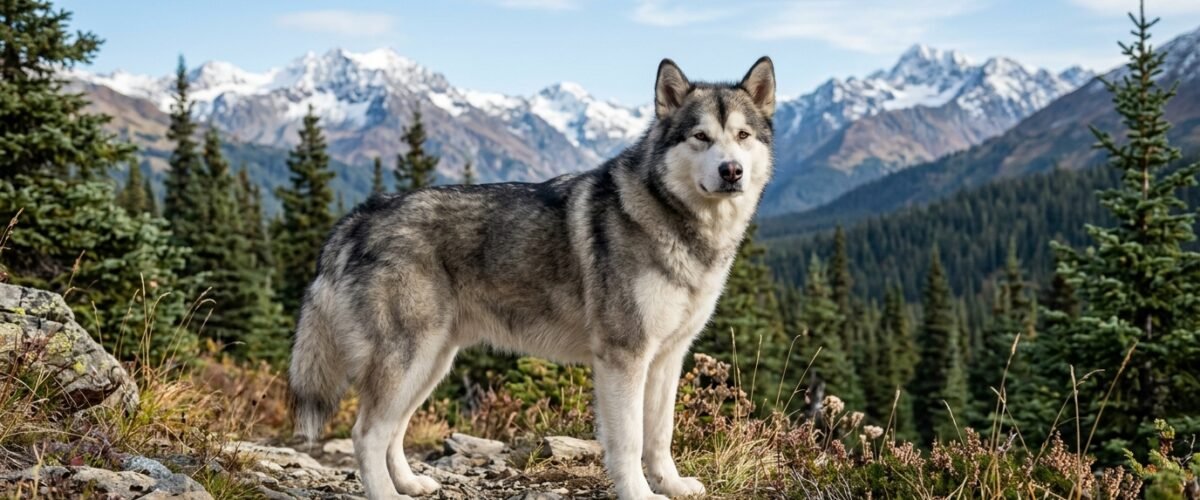
The Alaskan Malamute is a powerful, fluffy working dog known for its strength, endurance, and friendly nature. With its thick double coat, upright ears, and wolf-like appearance, it is easy to understand why so many people fall in love with this Arctic breed.

But if you are thinking about welcoming an Alaskan Malamute into your family, one question matters just as much as its appearance: How long will your dog live?

Alaskan Malamutes generally have a life expectancy of around 10–14 years, although individual dogs may live shorter or longer lives. Genetics, body condition, preventive veterinary care, exercise, and inherited health conditions can all influence longevity.

The good news is that thoughtful daily care can help support your Malamute’s health throughout its life. This guide explains the breed’s expected lifespan, common health concerns, signs of aging, and practical ways to help your dog enjoy a comfortable, active life.

What Is the Average Lifespan of an Alaskan Malamute?

The typical life expectancy of an Alaskan Malamute is approximately 10–14 years. This is a general breed estimate, not a guarantee for an individual dog.

The American Kennel Club lists a life expectancy of approximately 10–14 years in its Alaskan Malamute breed profile.

Some Malamutes remain active and comfortable well into their senior years. Others develop medical problems earlier because of inherited conditions, injuries, or other health factors.

A dog’s lifespan also does not tell the whole story. Two dogs may live to a similar age but experience very different levels of comfort and mobility. The goal is to support both longevity and quality of life.

How Does the Malamute’s Lifespan Compare With Other Dogs?

Alaskan Malamutes are large, muscular dogs. Larger dogs often have shorter average lifespans than smaller dogs, although size is only one factor and individual outcomes vary.

Dog type General lifespan context
Alaskan Malamute Approximately 10–14 years
Small companion breeds Many commonly live into their teens
Medium-sized breeds Lifespan varies widely by breed
Giant breeds Many have shorter average lifespans than smaller dogs

These are broad comparisons, not predictions for an individual dog. Breed-specific estimates also depend on the population studied and the source providing the figure.

For a Malamute, maintaining a healthy body condition and identifying medical problems early are more useful than comparing its expected lifespan with that of another breed.

What Factors Affect an Alaskan Malamute’s Lifespan?

There is no single habit that guarantees a long life. Instead, several factors work together to influence a dog’s health and longevity.

1. Genetics and Responsible Breeding

A puppy inherits genetic information from both parents. Some inherited traits can influence its risk of developing certain medical conditions.

When choosing an Alaskan Malamute puppy, ask the breeder about the health history of the parents and the recommended screening for the breed. Request documentation rather than relying on a general statement that the parents are healthy.

The Alaskan Malamute Club of America’s health information is a useful starting point for learning about breed-specific concerns and responsible breeding practices.

A responsible breeder should be willing to discuss health testing, the ages and medical histories of previous dogs, and any known inherited conditions in the family line.

Adoption is also an excellent option. If you adopt an adult Malamute, ask for its available medical records and arrange a veterinary examination soon after bringing it home.

2. Maintaining a Healthy Weight

Alaskan Malamutes have a naturally strong, substantial build. However, a large frame should not be confused with excess body fat.

Carrying extra weight can increase the load on joints and make exercise more difficult. It can also complicate the management of existing orthopedic conditions.

To help your Malamute maintain a suitable body condition:

  • Measure meals instead of estimating portions.
  • Include treats in the daily calorie total.
  • Adjust food intake as activity changes.
  • Avoid frequent high-calorie table scraps.
  • Check body condition regularly.
  • Ask your veterinarian to establish an appropriate target weight.

You should be able to feel your dog’s ribs without pressing excessively hard, although the ideal body shape varies with age and individual build. Ask your veterinarian to demonstrate how to assess your Malamute’s body condition correctly.

3. Nutrition and Feeding Habits

A balanced diet provides the nutrients your dog needs for growth, muscle maintenance, immune function, and general health.

Puppies, adults, and senior dogs may have different nutritional requirements. Your Malamute’s food should suit its life stage, activity level, body condition, and medical needs.

Avoid assuming that a working breed needs unlimited food simply because it is large or energetic. Portion requirements depend on the individual dog and the calorie content of its food.

If your dog gains or loses weight unexpectedly, discuss the change with a veterinarian before making major dietary adjustments.

4. Exercise and Mental Stimulation

Alaskan Malamutes were developed for demanding work in Arctic conditions. Many enjoy walking, hiking, pulling activities when appropriately trained, and other opportunities to use their strength and energy.

Regular exercise can support fitness, muscle maintenance, and a healthy body condition. Mental stimulation is also important because boredom may contribute to unwanted behaviors.

Suitable activities can include:

  • Walks adjusted to your dog’s fitness.
  • Supervised exploration and sniffing.
  • Reward-based training.
  • Food puzzles and scent games.
  • Appropriately managed pulling or hiking activities for conditioned adults.

Do not push an unfit dog into strenuous exercise. Puppies, senior dogs, and dogs with joint or heart conditions may need a different routine.

5. Preventive Veterinary Care

Routine veterinary examinations can help identify health changes before they become more serious.

Your veterinarian can recommend vaccinations, parasite prevention, dental care, screening tests, and other preventive measures based on your dog’s age, lifestyle, location, and medical history.

There is no universal schedule that fits every Malamute. Puppies, healthy adults, and senior dogs have different needs, and dogs with existing medical conditions may need more frequent monitoring.

Keep a record of weight changes, appetite, mobility, medications, and any unusual behavior. These details can help your veterinarian identify patterns over time.

Common Health Problems That May Affect Alaskan Malamutes

Alaskan Malamutes can develop a variety of health conditions. Knowing the possible warning signs can help you seek veterinary care when something changes.

However, not every Malamute will develop these conditions, and symptoms alone cannot confirm a diagnosis.

Hip Dysplasia

Hip dysplasia is a developmental condition in which the hip joint does not fit or function normally. It can contribute to joint instability and, in some dogs, arthritis.

Possible signs include:

  • Stiffness after resting.
  • Difficulty getting up.
  • Reluctance to climb stairs or jump.
  • Changes in gait.
  • Reduced interest in exercise.

These signs have several possible causes. A veterinarian can assess your dog’s movement and determine whether imaging or other tests are needed.

Maintaining a suitable body condition and providing appropriate exercise may help support mobility, but these measures cannot guarantee that hip dysplasia will be prevented.

Cataracts and Other Eye Problems

Some Malamutes can develop inherited or age-related eye conditions. Cataracts involve clouding of the lens and may interfere with vision.

Watch for changes such as cloudy-looking eyes, bumping into objects, hesitation in unfamiliar surroundings, or difficulty navigating in low light.

Cloudiness does not always mean cataracts, and an eye examination is needed to identify the cause.

Breeders should follow the eye-screening recommendations relevant to the breed and their breeding lines. Ask your veterinarian whether an eye examination is appropriate for your dog.

Hypothyroidism

Hypothyroidism occurs when the thyroid gland does not produce enough thyroid hormone. It can affect metabolism and several body systems.

Possible signs include unexplained weight gain, reduced energy, changes in coat quality, hair loss, and skin problems.

These signs are not specific to hypothyroidism. A veterinarian may recommend blood tests to determine whether thyroid function is abnormal.

Do not give thyroid medication or supplements without veterinary guidance. Treatment depends on the diagnosis and may require ongoing monitoring.

Inherited Neurological Conditions

Certain inherited neurological disorders have been reported in Alaskan Malamutes, including polyneuropathy in some family lines.

Possible warning signs of neurological problems include weakness, an unusual gait, reduced coordination, or changes in exercise tolerance. These symptoms can also occur with many other conditions.

If you notice a persistent change in movement or coordination, arrange a veterinary assessment. Sudden severe weakness or inability to stand requires urgent attention.

If you are purchasing a puppy, ask the breeder which genetic tests are recommended for the specific breeding line and request the results.

Dental Disease

Dental problems can cause pain, inflammation, and difficulty eating. Dogs may continue eating despite oral discomfort, so changes can be subtle.

Watch for persistent bad breath, red gums, broken teeth, drooling, or reluctance to chew.

Regular brushing with dog-safe toothpaste and veterinary dental examinations can help maintain oral health. Professional cleaning may be recommended when plaque and tartar cannot be managed at home.

Obesity and Reduced Mobility

Excess body fat can make movement more difficult and place additional strain on joints.

A Malamute that becomes less active may gain weight, which can make exercise even less comfortable. This cycle is worth addressing early.

If your dog is gaining weight or struggling with movement, ask your veterinarian to evaluate both its body condition and the reason for its reduced activity.

How Can You Help Your Alaskan Malamute Live a Longer, Healthier Life?

You cannot control every inherited risk, but you can make daily choices that support your dog’s well-being.

Build a Sustainable Exercise Routine

Consistency matters more than occasional exhausting workouts.

Choose activities your dog enjoys and can perform comfortably. Increase intensity gradually, especially after periods of reduced activity.

Watch for limping, stiffness, unusual fatigue, or reluctance to continue. If these signs recur, arrange a veterinary assessment rather than assuming your dog simply needs more exercise.

Protect Your Malamute From Heat

Alaskan Malamutes have thick double coats adapted to cold environments. They can be vulnerable to overheating during strenuous activity in warm or humid weather.

Practical precautions include:

  • Walking during cooler parts of the day.
  • Providing constant access to fresh water.
  • Offering a cool, shaded resting area.
  • Avoiding strenuous activity in hot conditions.
  • Never leaving your dog in a parked vehicle.

Heavy or abnormal panting, excessive drooling, weakness, confusion, vomiting, or collapse can indicate heat-related illness.

Suspected heatstroke is an emergency. Contact an emergency veterinarian immediately and follow their instructions while arranging transport. Do not wait for symptoms to disappear on their own.

Keep Up With Dental Care

Dental care is easy to overlook because problems often develop gradually.

Introduce toothbrushing in a calm, positive way. Start by allowing your dog to become comfortable with gentle handling around the muzzle, then gradually introduce a dog toothbrush and toothpaste.

Never use human toothpaste unless a veterinarian has specifically confirmed that the product is safe for your dog. Some ingredients in human products can be harmful to pets.

If brushing is difficult, ask your veterinarian about other ways to support oral health.

Support Joint Health

For a large dog, maintaining appropriate body condition and muscle strength can support comfortable movement.

Use nonslip surfaces where practical, provide a comfortable resting area, and avoid forcing activities that cause pain. Ask your veterinarian about exercise modifications if your dog has arthritis or another orthopedic condition.

Do not start joint supplements or pain medication without veterinary guidance. Product quality, suitability, and potential interactions can vary.

Provide Mental Enrichment

Malamutes often enjoy activities that let them investigate, solve simple problems, and interact with their families.

Try scent games, food puzzles, short training sessions, and supervised exploration. Rotate suitable toys to maintain interest.

Mental activity does not replace physical exercise, but it can make daily life more satisfying and may help reduce boredom-related behaviors.

Alaskan Malamute Lifespan by Life Stage

A dog’s needs change as it grows. Understanding these stages can help you plan suitable care without assuming that every dog develops at exactly the same rate.

Life stage Main care priorities
Puppy Appropriate growth nutrition, socialization, preventive veterinary care, and age-appropriate activity
Young adult Training, fitness, healthy weight, dental care, and routine examinations
Mature adult Consistent exercise, preventive screening, and monitoring for changes in mobility or weight
Senior Individualized activity, comfort, dental care, and closer monitoring of health changes

The transition into senior life varies between dogs. Rather than relying only on age, consider changes in movement, sleep, appetite, hearing, vision, and behavior.

Ask your veterinarian when your Malamute should begin receiving more frequent senior-health assessments.

Signs Your Alaskan Malamute May Be Getting Older

Aging is a gradual process, and not every change is simply a normal part of getting older.

Your Malamute may take longer to rise after resting, become less interested in strenuous activities, sleep more, or develop a different daily routine.

Other changes deserve closer attention. These include unexplained weight loss, persistent coughing, increased thirst, difficulty breathing, ongoing pain, or a sudden change in behavior.

Do not dismiss a problem because your dog is old. Many age-related conditions can be managed, and early assessment may improve comfort and quality of life.

How to Make Life Easier for a Senior Malamute

Consider practical changes such as:

  • Providing supportive bedding.
  • Using nonslip mats on slippery floors.
  • Offering shorter, more frequent walks if appropriate.
  • Keeping food and water easy to reach.
  • Maintaining a comfortable indoor temperature.
  • Helping your dog access vehicles or raised surfaces safely.

Ask your veterinarian whether your senior dog needs changes to its diet, activity level, pain management, or examination schedule.

How to Recognize a Good Quality of Life

Lifespan measures how long a dog lives, but quality of life describes how comfortably and happily it experiences those years.

A useful way to monitor your Malamute is to keep track of everyday activities and changes in behavior.

Consider whether your dog can:

  • Eat and drink comfortably.
  • Move around without persistent distress.
  • Rest peacefully.
  • Enjoy familiar activities.
  • Interact with family members.
  • Maintain normal toileting habits.
  • Recover comfortably after appropriate exercise.

A dog may still enjoy life while living with a manageable medical condition. However, persistent pain, severe breathing difficulty, or an inability to perform basic activities should prompt a veterinary discussion.

If your dog has a chronic illness, ask your veterinarian to help you assess comfort and make a care plan that reflects your dog’s needs.

Frequently Asked Questions About Alaskan Malamute Lifespan

How long do Alaskan Malamutes usually live?

Alaskan Malamutes generally have a life expectancy of around 10–14 years, according to the American Kennel Club’s breed information. Individual dogs may live shorter or longer lives depending on genetics, health, and care.

Can an Alaskan Malamute live beyond 14 years?

Yes, some may live beyond the typical breed estimate, but this is not guaranteed. A long life depends on multiple factors, many of which cannot be fully controlled.

What is the most common cause of death in Alaskan Malamutes?

There is no single cause of death that can be accurately identified as the most common for every Malamute population without a specific, reliable mortality study. Risks vary by age, breeding line, and individual health history.

Ask your veterinarian about the health concerns most relevant to your particular dog.

Do female Alaskan Malamutes live longer than males?

There is no reliable universal rule that predicts a longer lifespan for every female Malamute compared with every male. Sex, reproductive status, genetics, and other health factors may influence individual outcomes.

Are Alaskan Malamutes healthy dogs?

Many are healthy, active companions, but the breed has recognized health considerations, including orthopedic and certain inherited conditions. Responsible breeding, appropriate screening, and routine veterinary care are important.

How can I tell if my Alaskan Malamute is overweight?

Ask your veterinarian to assess body condition and demonstrate what an appropriate body shape looks like for your dog. Weight alone can be misleading because Malamutes vary in size and build.

When should an Alaskan Malamute be considered a senior?

There is no single age that marks the beginning of senior life for every dog. Your veterinarian can help assess aging based on your Malamute’s health, activity, and individual characteristics.

Do Alaskan Malamutes need special care in summer?

Yes, their thick coats and working-dog background make heat management especially important. Provide water and shade, avoid strenuous activity in hot conditions, and seek emergency veterinary care if heatstroke is suspected.

Final Thoughts: Helping Your Alaskan Malamute Enjoy Every Year

Alaskan Malamutes generally live around 10–14 years, but the quality of those years matters just as much as the number.

A balanced diet, healthy body condition, suitable exercise, preventive veterinary care, and early attention to health changes can all support your dog’s well-being. Responsible breeding and appropriate screening may also help you understand and manage inherited risks.

Most importantly, get to know your own Malamute. Changes in movement, appetite, behavior, or energy can provide useful clues about its health, especially as it grows older.

Want to make every stage of your dog’s life healthier and more comfortable? Visit Dog Wellness Hub for practical guidance on nutrition, exercise, grooming, and everyday dog care. Small, consistent habits can make a meaningful difference to your companion’s quality of life.

Veterinary Disclaimer

This article is for educational purposes only and does not replace individualized veterinary advice, diagnosis, or treatment. Consult a veterinarian about your dog’s lifespan, inherited health risks, diet, exercise, and preventive-care needs. Sudden weakness, collapse, breathing difficulty, suspected heatstroke, or severe pain requires urgent veterinary attention.

Black Mouth Cur Boxer Mix Temperament, Size, and Care Guide

Black Mouth Cur Boxer Mix: Temperament, Size, and Care Guide

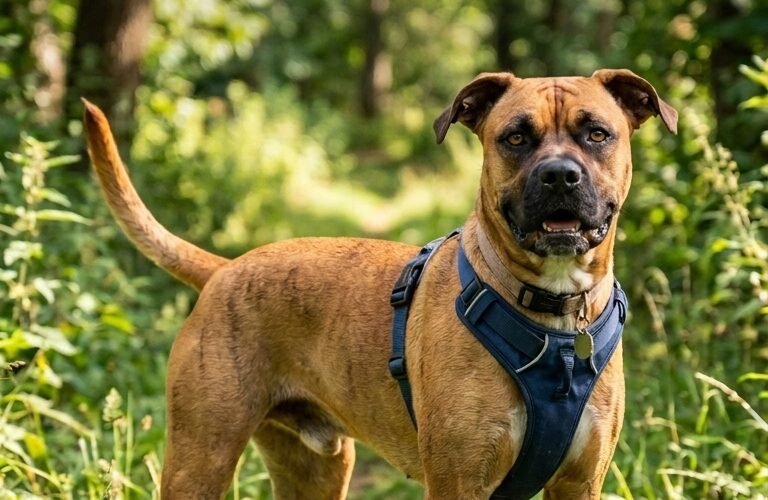
A Black Mouth Cur Boxer mix can be an athletic, alert, and energetic companion. This cross combines two muscular working-dog backgrounds: the Black Mouth Cur, known for hunting and versatile farm work, and the Boxer, known for its strength, playfulness, and close bond with its family.

The result can be an engaging dog for an active household, but there is no single appearance or temperament that every Black Mouth Cur Boxer mix will share. One dog may be outgoing and playful, while another may be more watchful around unfamiliar people. Size, coat color, energy level, and training needs can also vary.

If you are considering adopting one, understanding both parent breeds can help you prepare. This guide covers the mix’s likely appearance, adult size, personality, exercise needs, training, grooming, health considerations, and what to ask before bringing one home.

What Is a Black Mouth Cur Boxer Mix?

A Black Mouth Cur Boxer mix is a cross between a Black Mouth Cur and a Boxer. It is a mixed-breed dog, not a standardized breed with a single official appearance or predictable set of traits.

The Black Mouth Cur is a versatile working dog associated with hunting, tracking, and farm work. The United Kennel Club’s official Black Mouth Cur breed standard describes a powerful, agile dog with a short coat and a strong working drive.

The Boxer is a muscular, energetic breed that has historically served in several working roles and is often known today as an active companion.

Because the parents have different histories and physical characteristics, their cross may inherit traits from either side. Understanding the parents is more useful than assuming that every puppy will be an exact blend of both.

Black Mouth Cur Boxer Mix Appearance

This mix will often have a sturdy, athletic appearance, although the proportions can vary.

Body Shape and Build

Many individuals may have a muscular body, a deep chest, strong legs, and a relatively short coat. Some may look more like a Boxer in the head and expression, while others may have a more Cur-like muzzle and body outline.

The dog’s build depends on its parents and individual inheritance. A puppy’s appearance is not enough to establish its ancestry with certainty.

Coat Colors and Markings

Possible coat colors include shades of fawn, tan, brown, black, or brindle, depending on the parents’ genetics. Some dogs may have a dark muzzle or facial mask, while others have more uniform coloring.

The Black Mouth Cur breed standard permits a range of colors, including red, yellow, fawn, black, brown, and brindle, with specified limits on white markings. Boxer coat colors and markings also vary.

These possibilities do not guarantee that a particular mix will display any one color. If coat color is important to you, ask about both parents and view photographs of the puppy’s litter when available.

Ears, Muzzle, and Tail

The ears may be floppy, and the muzzle may be shorter or longer depending on which parent the dog resembles. Tail length and shape can also vary.

Do not assume that a mixed-breed dog’s features can be predicted accurately from a single photograph. As the puppy matures, its proportions and muscular development may change.

How Big Does a Black Mouth Cur Boxer Mix Get?

There is no widely established adult weight or height range specific to this cross. The most useful clues are the size of both parents, the puppy’s growth, and veterinary assessments.

Black Mouth Curs are medium-sized, muscular working dogs. The United Kennel Club’s breed standard gives minimum adult height and weight figures for the breed, but individual dogs may vary. Boxers are generally medium-to-large, sturdy dogs.

A Black Mouth Cur Boxer mix may therefore develop into a medium-to-large dog with a strong, athletic build. However, an exact adult weight cannot be guaranteed.

Factors That Influence Adult Size

  • The size and structure of both parents.
  • The puppy’s inherited growth characteristics.
  • Sex and individual development.
  • Nutrition and general health.
  • The mix’s particular genetic background.

If you are adopting a puppy, ask about the parents’ actual size rather than relying on a seller’s estimate. Your veterinarian can monitor growth and body condition to help ensure the dog develops appropriately.

Is This Mix Suitable for a Small Home?

A large yard is not the only factor that determines whether a dog can thrive. A Black Mouth Cur Boxer mix may adapt to different living environments if its exercise, training, enrichment, and companionship needs are met.

However, an energetic dog may struggle if it spends most of the day without activity or mental stimulation. Consider how much time you can devote to walks, training, play, and calm indoor behavior before deciding whether this mix is right for you.

Black Mouth Cur Boxer Mix Temperament

Temperament is one of the most important considerations with this cross because both parent breeds were developed for active working roles.

A Black Mouth Cur Boxer mix may be confident, alert, playful, intelligent, and strongly attached to its household. Some individuals may be more reserved around strangers, while others may be socially outgoing.

These are possibilities rather than guarantees. Genetics, early socialization, previous experiences, training, and individual temperament all influence adult behavior.

Is a Black Mouth Cur Boxer Mix a Good Family Dog?

It can be a rewarding family companion in a household that understands its needs and provides appropriate training.

The Boxer side may contribute playfulness and enthusiasm, while the Cur side may contribute alertness and a strong interest in its surroundings. However, no particular behavior is guaranteed by ancestry alone.

Families should teach children to interact calmly with the dog, avoid rough handling, and leave it undisturbed while eating or sleeping. Because a muscular dog can accidentally knock over a small child during excited play, supervision is important.

A good family match depends on the individual dog’s temperament and the household’s ability to manage its behavior.

Is This Mix Protective?

Some individuals may be naturally alert and attentive to unfamiliar people or sounds. The Black Mouth Cur has a working background that includes hunting and family-guardian roles, while Boxers are also often watchful.

However, alertness should not be confused with aggression, and a mixed-breed dog should not be chosen or trained to intimidate people.

Reward calm behavior, teach reliable basic commands, and provide positive experiences around visitors and everyday situations. If the dog displays fear, threatening behavior, or difficulty settling around people, consult a qualified reward-based trainer or veterinary behavior professional.

Does a Black Mouth Cur Boxer Mix Have a High Prey Drive?

It may. Black Mouth Curs have a hunting background, and individual dogs may show strong interest in wildlife or fast-moving animals. The strength of this behavior varies.

If your dog chases squirrels, rabbits, or other animals, use a secure leash and practice recall in controlled settings. Do not assume that the dog will reliably ignore wildlife because it has been trained at home.

If you have cats or small pets, introduce them carefully and use management such as barriers, supervision, and separate safe spaces. Some dogs may not be suitable for living with smaller animals, even with training.

Exercise Needs: How Active Is This Mix?

A Black Mouth Cur Boxer mix is likely to need regular exercise and mental engagement, although its exact requirements depend on age, fitness, and health.

Both parent breeds have athletic backgrounds. A dog that inherits high activity levels may become restless or develop unwanted behaviors if it lacks suitable outlets.

Daily Activities That May Help

Consider a mix of:

  • Walks at a pace appropriate for the dog’s fitness.
  • Reward-based obedience training.
  • Sniffing and scent games.
  • Supervised retrieving or tug games with clear rules.
  • Food puzzles and other enrichment activities.
  • Secure, supervised play in a suitable area.

Do not assume that simply having a yard will meet the dog’s needs. Many dogs benefit from structured interaction and opportunities to use their senses.

Exercise for Puppies and Adult Dogs

Puppies need age-appropriate movement and opportunities to explore without being pushed into prolonged or strenuous exercise. Adult dogs may tolerate more activity, depending on their health and conditioning.

Boxers can be sensitive to heat because of their shorter muzzle, although the degree varies among individual dogs. If your mix has a short muzzle or shows signs of overheating, be especially careful with exercise in warm weather.

Provide water, choose comfortable conditions, and stop if the dog shows excessive panting, weakness, confusion, or other signs of distress. Suspected heatstroke is an emergency requiring immediate veterinary care.

Training a Black Mouth Cur Boxer Mix

Training should begin early and focus on rewarding desirable behavior. A strong, energetic dog benefits from learning how to walk politely, settle calmly, respond to cues, and interact safely with people and other animals.

Start With Essential Skills

Prioritize:

  1. Responding to its name.
  2. Coming when called in safe, controlled settings.
  3. Walking on a loose leash.
  4. Settling on a mat or in a designated resting area.
  5. Accepting handling for grooming and veterinary care.
  6. Waiting calmly before meals or going through doors.

Use small rewards, praise, and play to make training worthwhile. Keep sessions clear and consistent, and practice in gradually more distracting environments.

Socialization Matters

Socialization means helping the puppy develop comfortable, positive responses to people, animals, sounds, surfaces, and everyday situations. It does not mean forcing the dog to greet everyone.

Introduce new experiences at a pace the dog can handle. Reward calm observation and allow the dog to move away when it feels uncertain.

If the dog becomes fearful, stiff, or overwhelmed, create more distance instead of pushing closer. Early guidance from a qualified trainer can help prevent small concerns from becoming difficult habits.

Managing Jumping and Excitement

A large, enthusiastic dog can accidentally knock people over by jumping up. Teach the dog that calm greetings earn attention.

Ask visitors to reward four paws on the floor and avoid encouraging jumping during play. Provide suitable toys and structured activities so the dog has appropriate ways to release energy.

If behavior becomes difficult to manage, seek professional training help rather than relying on punishment.

Grooming and General Care

The Black Mouth Cur Boxer mix will often have a short coat, which is usually easier to maintain than a long or heavily feathered coat. However, grooming needs depend on the individual dog’s coat and skin.

Brushing and Bathing

Brush regularly to remove loose hair and inspect the skin. A soft brush or grooming mitt may be sufficient for many short-coated individuals.

Bathe the dog when it is dirty or needs cleaning, using a shampoo formulated for dogs. Avoid frequent bathing solely to eliminate shedding, and do not use human hair products or harsh cleaning substances on the coat.

Contact a veterinarian if you notice persistent itching, sores, unusual hair loss, redness, or repeated skin infections.

Ears, Nails, and Teeth

Routine care should include:

  • Checking ears for odor, redness, discharge, or persistent scratching.
  • Trimming nails when needed.
  • Brushing teeth with dog-safe toothpaste.
  • Checking paws after outdoor activities.
  • Making grooming and handling a positive experience.

Introduce these routines gradually, especially with a puppy. Calm, reward-based handling can make veterinary visits and home care easier over time.

Feeding and Maintaining a Healthy Weight

Feed a complete and balanced diet appropriate for the dog’s age, activity level, and health. The correct amount depends on the food’s calorie content and the dog’s individual needs.

Because this mix may have a muscular build, do not judge its body condition by weight alone. Ask your veterinarian to show you how to assess body condition and determine a suitable target weight.

Helpful habits include measuring meals, accounting for treats, keeping fresh water available, and adjusting food portions when activity or body condition changes.

Avoid assuming that an active dog can eat unlimited amounts. Even energetic dogs can gain excess weight when calorie intake consistently exceeds their needs.

Health Considerations for a Black Mouth Cur Boxer Mix

A mixed-breed dog can inherit health risks from either parent. Its exact risks depend on its ancestry, genetics, body structure, and individual health history.

No single list can predict which conditions a particular dog will develop.

Joint and Mobility Concerns

Larger, athletic dogs can experience orthopedic problems, and Boxers may be affected by hip dysplasia. The relevance of this risk to an individual mix depends on its inherited traits.

Watch for persistent limping, stiffness, difficulty rising, reluctance to exercise, or changes in gait. These signs can have several causes and should be evaluated by a veterinarian.

If buying a puppy, ask about the recommended health screening for both parents and request documentation rather than relying on verbal assurances.

Boxer-Related Heart and Cancer Risks

Boxers have recognized breed-related health concerns, including certain heart conditions and an increased risk of some cancers. A Black Mouth Cur Boxer mix may or may not inherit the relevant predispositions.

Discuss the parents’ health histories with the breeder and ask your veterinarian which examinations are appropriate for your dog. A mixed-breed label does not eliminate the need for preventive care.

Skin and Ear Problems

Short-coated dogs still need routine skin checks. Watch for persistent scratching, redness, sores, unusual hair loss, or signs of ear discomfort.

Do not assume that every skin problem is an allergy or treat it with leftover medication. A veterinarian can help identify the cause and recommend suitable treatment.

Heat Safety

A dog with a Boxer-like short muzzle may have more difficulty cooling itself during strenuous activity in hot conditions. Risk depends on the dog’s actual muzzle shape, fitness, health, and environment.

Avoid intense exercise during the hottest part of the day, provide access to water, and stop activity if the dog shows unusual distress.

Heavy or abnormal panting, weakness, confusion, collapse, or other signs of heat illness require urgent veterinary attention.

Choosing or Adopting a Black Mouth Cur Boxer Mix

If you are considering this mix, focus on the individual dog’s behavior, health, and background rather than its appearance alone.

Questions to Ask a Breeder or Rescue

Before bringing the dog home, ask:

  • What is known about both parents?
  • What health screening has been completed?
  • Has the dog shown any fear, guarding, or reactivity?
  • How does it behave around other dogs and small animals?
  • What exercise and training routine is it used to?
  • Are veterinary records available?
  • What support is available after adoption?

A rescue organization may already know how an adult dog behaves in a home environment. A responsible breeder should be transparent about the parents and the limits of predicting a mixed puppy’s adult traits.

Be cautious of anyone who guarantees a particular temperament or claims that the mix is automatically healthier than either parent breed.

Is This Mix Right for First-Time Owners?

It may suit a first-time owner who is committed to training, exercise, and learning how to manage an energetic dog. However, a strong, active individual may be challenging for someone who cannot provide consistent guidance.

Consider your available time, experience, household, and ability to obtain professional training support if needed. Meeting the individual dog and discussing its needs with the rescue or breeder can help you make a more informed decision.

Common Myths About the Black Mouth Cur Boxer Mix

Myth 1: Every Dog of This Mix Looks the Same

Fact: Mixed-breed dogs can vary in size, color, head shape, body proportions, and temperament.

Myth 2: This Mix Is Naturally Aggressive

Fact: Ancestry does not determine that an individual dog will be aggressive. Genetics, socialization, health, training, and experience all influence behavior.

Myth 3: A Yard Provides Enough Exercise

Fact: Many active dogs need structured walks, training, play, and mental enrichment in addition to access to outdoor space.

Myth 4: Mixed-Breed Dogs Do Not Inherit Breed-Related Health Risks

Fact: A crossbreed may inherit predispositions from either parent. Responsible health screening and veterinary care remain important.

Frequently Asked Questions

How big does a Black Mouth Cur Boxer mix get?

Adult size varies according to the parents and individual inheritance. Many may be medium-to-large, muscular dogs, but there is no reliable standardized weight range for the cross.

Is a Black Mouth Cur Boxer mix a good family dog?

It can be, provided the individual dog’s temperament and activity needs suit the household. Children should be supervised, and the dog should receive consistent training and appropriate socialization.

Does a Black Mouth Cur Boxer mix shed?

It will generally shed to some degree. A short coat may be relatively easy to maintain with regular brushing, although the amount of loose hair varies.

Is this mix easy to train?

Many can learn well with consistent, reward-based training, but their energy, motivation, and independence vary. Early training and socialization are important.

Can a Black Mouth Cur Boxer mix live with cats?

Some may live successfully with cats, while others may have a strong chasing instinct. Introductions should be gradual and supervised, and separate safe spaces should be available. Never assume that every dog will be safe with small animals.

How much exercise does this mix need?

It will generally benefit from regular daily movement and mental stimulation. The appropriate routine depends on age, fitness, health, and individual temperament. A veterinarian can advise if the dog has medical limitations.

Is a Black Mouth Cur Boxer mix a recognized breed?

It is a crossbreed rather than a standardized breed with one universally accepted breed standard. Appearance and temperament can vary between individual dogs.

Final Thoughts: Is a Black Mouth Cur Boxer Mix Right for You?

A Black Mouth Cur Boxer mix may be a loyal, athletic, and engaging companion for someone who enjoys an active lifestyle and is ready to invest in training and daily interaction.

Before adopting or purchasing one, learn about the parents, ask for health information, and evaluate the individual dog’s behavior. Be prepared for exercise, grooming, socialization, and routine veterinary care.

The best match is not necessarily the strongest or most impressive-looking dog. It is the dog whose needs and temperament fit your household.

Want to give your dog a healthier, happier routine? Visit Dog Wellness Hub for practical guidance on training, nutrition, grooming, and responsible dog care.

Veterinary Disclaimer

This article provides general educational information and does not replace veterinary advice, diagnosis, or treatment. Consult a veterinarian about your dog’s individual health, exercise, and preventive-care needs. Difficulty breathing, collapse, suspected heatstroke, severe pain, or other emergency symptoms require urgent veterinary attention.

Tri Dogs What Does the Term Mean in Dog Breeds and Coat Colors

Tri Dogs: What Does the Term Mean in Dog Breeds and Coat Colors?

Have you ever seen a dog with a black back, tan eyebrows, and white paws and wondered what that color pattern is called? You may have heard someone describe the dog as a “tri dog” or “tri-color dog.”

The term refers to a dog with three distinct coat colors. Black, tan, and white is one familiar combination, but tri-color coats can appear in different shades and patterns depending on the breed and the dog’s genetics.

You can find tri-color dogs among Beagles, Bernese Mountain Dogs, Australian Shepherds, Pembroke Welsh Corgis, and several other breeds. Although these dogs may share a three-color appearance, they can have very different personalities, sizes, grooming needs, and exercise requirements.

This guide explains what tri dogs are, how their coat patterns develop, which breeds commonly display three colors, and what prospective owners should know before choosing a dog based on its appearance.

What Does “Tri Dog” Mean?

A tri dog is an informal term for a dog with a tri-color coat pattern. The word “tri” means three, so the description refers to the presence of three distinct colors in the dog’s coat.

A classic example is a dog with:

  • Black: Often covering much of the back, sides, or head.
  • Tan: Commonly appearing above the eyes, on the cheeks, legs, or underside.
  • White: Often visible on the chest, muzzle, paws, or neck.

Not every tri-color dog follows this exact arrangement. Some have brown instead of black, while others display grayish or diluted shades. The location and amount of each color also vary.

Importantly, tri-color describes a coat pattern, not a separate dog breed. A tri-color Beagle and a tri-color Australian Shepherd may look completely different apart from sharing three coat colors.

The University of California, Davis Veterinary Genetics Laboratory’s guide to dog coat color explains how inherited genes influence pigment production and the distribution of colors in a dog’s coat.

What Does a Tri-Color Dog Look Like?

The appearance of a tri dog depends on its breed, coat length, base color, and the placement of its markings.

Black, Tan, and White Tri-Color Dogs

This is one of the most recognizable combinations. The dog may have a darker saddle across its back, tan markings on its face and legs, and white areas on its chest and feet.

Bernese Mountain Dogs and many tri-color Beagles are familiar examples.

Brown, Tan, and White Dogs

In some dogs, brown replaces black as the main dark pigment. Tan points and white markings may complete the three-color appearance.

The shade can range from rich chocolate to a lighter liver color, depending on the dog’s inherited coat-color genes.

Blue or Gray Tri-Color Dogs

Some dogs have a diluted dark pigment that appears blue-gray rather than solid black. When tan points and white markings are also present, the overall coat may be described as blue tri-color.

The exact terminology varies among breeds and registries, so the breed standard should be consulted when precise color classification matters.

How to Recognize a Tri-Color Pattern

Coat feature What to look for
Base color The main color covering much of the coat
Secondary color A contrasting shade, often tan or brown
Third color A separate color, frequently white
Marking placement Patches, points, facial markings, or areas on the legs and chest
Pattern consistency The arrangement varies by breed and individual dog

A dog does not need perfectly balanced areas of all three colors to be described as tri-color. One color may cover most of the body while the other two appear in smaller areas.

How Do Dogs Develop Tri-Color Coats?

Tri-color patterns develop through the interaction of genes that influence pigment production and where pigment appears on the body.

Two major pigments contribute to many canine coat colors: eumelanin, which produces black or brown shades, and pheomelanin, which produces red, yellow, and related shades. Other genetic factors influence dilution and white markings.

The UC Davis Veterinary Genetics Laboratory’s coat-color resource explains the roles of the agouti, extension, and dominant-black gene regions, along with other modifiers.

In simple terms, a dog’s coat pattern reflects a combination of inherited instructions. It is not produced by one universal “tri-color gene” that works identically in every breed.

Why Do Puppies From the Same Litter Look Different?

Puppies inherit different combinations of genes from their parents. As a result, siblings may differ in coat color, markings, coat texture, and other physical traits.

Even when puppies share the same parents, they may not have identical patterns. The exact outcome depends on the genes carried by each parent and how those genes combine.

Coat appearance can also change as a puppy matures. Some dogs develop more noticeable shading or a different overall impression as their adult coat grows in.

If you are choosing a puppy, photographs of both parents and information about previous litters may provide useful clues, but they cannot guarantee the exact adult appearance.

Popular Tri-Color Dog Breeds

Tri-color coats occur in several breeds. The following examples illustrate how widely the pattern can vary.

1. Beagle

Beagles are scent hounds known for their curious nature and interest in following smells. A tri-color Beagle commonly has darker coloring across its back, tan areas around the head or legs, and white markings.

Their short coat is generally straightforward to maintain with regular brushing. However, prospective owners should be prepared for an active dog that may follow an interesting scent instead of responding immediately to a recall cue.

2. Bernese Mountain Dog

The Bernese Mountain Dog is famous for its striking black, rust, and white coat. It is a large working breed with a substantial body and a thick coat.

Its grooming needs are greater than those of a short-coated tri-color dog because the longer coat can release considerable loose hair.

Anyone considering this breed should research its size, activity requirements, and health considerations rather than focusing on the coat alone.

3. Australian Shepherd

Australian Shepherds can have black tri-color or red tri-color coats. Some also display merle patterns, which alter the appearance of dark pigment.

These dogs were developed as working herding dogs and often need regular exercise, training, and mental challenges. A tri-color Australian Shepherd is not automatically calmer or easier to manage than an Australian Shepherd with another recognized pattern.

4. Pembroke Welsh Corgi

Pembroke Welsh Corgis are compact herding dogs with short legs, upright ears, and a sturdy build. Tri-color individuals often display dark body coloring with tan and white markings.

Their small stature does not mean they need little activity. Corgis benefit from training, daily movement, and appropriate enrichment.

5. Cavalier King Charles Spaniel

Some Cavalier King Charles Spaniels have black, tan, and white markings. Their soft, feathered coats create a different appearance from the short-haired tri-color Beagle.

Regular brushing helps prevent tangles, especially around the ears, chest, and feathering.

Prospective owners should also research the breed’s health screening needs and speak with a veterinarian or responsible breeder before making a decision.

6. Rough Collie and Shetland Sheepdog

Both breeds can display tri-color patterns, often combining black, tan, and white. Their longer coats create a more dramatic appearance than those of short-haired breeds.

They may suit owners who enjoy grooming and training, but coat color alone says little about the amount of daily activity or attention a particular dog will need.

Tri-Color vs. Merle, Brindle, and Bi-Color

Coat descriptions can be confusing because some terms refer to the number of colors, while others describe how colors are distributed.

Term Meaning How it differs from tri-color
Tri-color Three distinct coat colors Describes the number of colors
Bi-color Two coat colors Has two main colors rather than three
Merle Irregular patches of diluted pigment Describes a pattern that can occur with other markings
Brindle Darker stripes over a lighter base Describes a striped pattern
Roan A mixture of colored and white hairs Describes how individual hairs create a flecked appearance

These descriptions are not always mutually exclusive. For example, a dog may have a merle pattern and additional tan and white markings.

The breed’s recognized terminology matters if you are researching pedigrees, show standards, or genetic testing.

Does a Tri-Color Coat Affect a Dog’s Personality?

No reliable rule says that tri-color dogs share one personality simply because their coats have three colors.

A tri-color Beagle may show the scent-driven behavior associated with its breed, while a tri-color Australian Shepherd may have strong herding instincts. These differences reflect breed background and individual characteristics, not the number of colors in the coat.

When choosing a dog, consider:

  • Energy level and exercise needs.
  • Comfort around children and other animals.
  • Training requirements.
  • Grooming and shedding.
  • Health history and screening.
  • Your available time and living environment.

A dog should be selected for the fit between its needs and your lifestyle, not just its markings.

How to Care for a Tri-Color Dog

There is no special care routine required simply because a dog is tri-color. Grooming, exercise, feeding, and preventive veterinary care should be based on the breed and individual dog.

Grooming and Coat Maintenance

A short-coated tri-color dog may need only regular brushing and occasional baths, while a long-coated dog may require more frequent brushing to prevent tangles.

Inspect the skin during grooming. Look for redness, persistent itching, sores, or unusual hair loss, and contact a veterinarian if these signs continue.

Do not use bleaching products or harsh dyes to make the colors more vivid. These products can irritate the skin or expose the dog to unsafe substances.

Nutrition and Exercise

Feed a complete and balanced diet appropriate for the dog’s age and health. Portion sizes should reflect individual calorie needs and body condition.

Exercise requirements differ greatly between breeds. A working herding dog may need substantial physical and mental activity, while another tri-color companion may be satisfied with a more moderate routine.

Your veterinarian can help you select an appropriate diet and activity plan.

Health and Genetic Considerations

Tri-color is an appearance description, not a diagnosis or a guarantee of health.

Certain genetic variants affect coat appearance and may be relevant to particular breeds. For example, merle inheritance deserves careful consideration in breeding decisions. Ask a responsible breeder about appropriate health screening and consult a veterinarian or qualified veterinary geneticist when genetic concerns arise.

Do not assume a dog is unhealthy because it has a particular coat pattern, and do not assume it is healthy because its markings look typical.

Common Myths About Tri Dogs

Myth 1: Tri Dogs Are a Separate Breed

Fact: Tri-color describes a coat pattern shared by dogs from many breeds and mixed backgrounds.

Myth 2: All Tri-Color Dogs Are Black, Tan, and White

Fact: That is a common combination, but other dark shades and color combinations can occur.

Myth 3: Tri-Color Dogs Have Similar Personalities

Fact: Temperament varies by breed, genetics, early experiences, training, and individual character.

Myth 4: A Rare Tri-Color Pattern Means a Better Dog

Fact: Rarity does not establish health, temperament, or suitability as a companion. Responsible breeding and an appropriate match matter much more.

Frequently Asked Questions

What is a tri dog?

A tri dog is a dog with a tri-color coat pattern. The colors may include black, tan, and white or other combinations, depending on the dog’s genetics and breed.

Which dog breeds can be tri-color?

Beagles, Bernese Mountain Dogs, Australian Shepherds, Pembroke Welsh Corgis, Cavalier King Charles Spaniels, and several other breeds can display tri-color coats.

Are tri-color dogs rare?

It depends on the breed and the particular color combination. Tri-color is familiar in some breeds and less common in others, so there is no single rarity estimate that applies to all tri dogs.

Do tri-color puppies keep the same markings as adults?

The general pattern may remain recognizable, but coat shade and the appearance of markings can change as a puppy matures. The degree of change varies by dog.

Does tri-color mean the dog is purebred?

No. Both purebred and mixed-breed dogs can have tri-color coats. Appearance alone cannot establish pedigree.

Are tri-color dogs expensive?

Price depends on the breed, location, breeder practices, pedigree, demand, and health screening. A three-color coat does not automatically justify a higher price.

Can two tri-color dogs produce puppies with different colors?

Yes. Puppies can inherit different combinations of coat-color genes from their parents. The likely outcomes depend on the specific genetic variants involved.

Final Thoughts

Tri dogs stand out because of their three-color coats, but their appeal goes beyond appearance. From the compact Corgi to the large Bernese Mountain Dog, tri-color patterns occur in dogs with very different histories, temperaments, and care requirements.

If you are considering a tri-color puppy, learn about the breed or breeds behind it, ask about health screening, and choose a dog whose needs fit your lifestyle.

Looking for practical advice to help your dog thrive? Visit Dog Wellness Hub for useful guidance on grooming, nutrition, training, and everyday pet care.

Health Disclaimer

This article is for general educational purposes and does not replace veterinary advice. Contact a veterinarian about persistent skin changes, unusual hair loss, or other health concerns. For questions about inherited coat traits or breeding genetics, consult a qualified veterinary professional.

Cream Colored Dachshund Appearance, Personality, and Care Guide

Cream Colored Dachshund: Appearance, Personality, and Care Guide

A cream colored Dachshund is easy to recognize by its pale, elegant coat, long body, short legs, and expressive eyes. Some have a soft ivory color, while others develop a richer golden-cream shade as they mature. Longhaired cream Dachshunds, in particular, are admired for their flowing coats and feathered ears.

But there is more to this dog than its beautiful appearance. Cream Dachshunds share the intelligence, curiosity, courage, and independent nature that make the Dachshund breed so distinctive. They also need thoughtful care, including regular exercise, appropriate grooming, weight management, and protection for their long backs.

Whether you are considering bringing home a cream Dachshund puppy or already share your home with one, this guide explains what to expect, how to identify different coat types, and how to keep your dog comfortable and healthy throughout life.

What Is a Cream Colored Dachshund?

A cream colored Dachshund is a Dachshund with a predominantly pale cream coat. Depending on the individual dog, the color can range from nearly ivory to a deeper, buttery cream.

Cream is a recognized Dachshund coat color in the American Kennel Club’s breed information. The breed also comes in two size categories—standard and miniature—and three coat varieties: smooth, longhaired, and wirehaired.

You can check the American Kennel Club’s official Dachshund breed guide for its recognized colors, coat varieties, and general breed characteristics.

One important distinction is that coat color describes appearance, not personality or overall health. A cream Dachshund is not a separate breed, and its care needs are largely the same as those of other Dachshunds.

What Does a Cream Dachshund Look Like?

Most cream Dachshunds have a light coat that may appear different under indoor lighting, bright sunlight, or as the dog grows older.

Common visual characteristics include:

  • Coat color: Pale ivory, light beige, soft gold, or deeper cream.
  • Body shape: An elongated body with short, sturdy legs.
  • Head and ears: A long muzzle, expressive eyes, and ears that hang down.
  • Tail: A moderately long tail that follows the line of the back.
  • Coat texture: Smooth and close-fitting, silky and flowing, or rough and wiry, depending on the coat variety.

Some cream Dachshunds have slightly darker shading along the ears, tail, or back. The amount of shading can vary, so a small difference in color does not automatically mean that a dog is not cream.

Are Cream Dachshunds Rare?

Cream Dachshunds are less commonly encountered than some familiar Dachshund colors in certain areas, but there is no single reliable figure establishing how rare they are across the United States.

Availability depends on location, breeder practices, coat variety, pedigree, and demand. Longhaired cream Dachshunds are especially sought after by some prospective owners because of their soft, flowing appearance.

Be careful when a seller describes a puppy as exceptionally rare to justify a high price. Ask for veterinary records, information about the parents, and a clear explanation of the puppy’s pedigree and coat-color background.

A responsible breeder should prioritize health, temperament, and appropriate breeding practices rather than rarity alone.

Cream Dachshund Coat Types: Smooth, Longhaired, and Wirehaired

The coat type makes a noticeable difference in how a cream Dachshund looks and how much grooming it needs.

Coat type Appearance General grooming needs
Smooth Short, sleek hair close to the body Occasional brushing and routine skin checks
Longhaired Soft, flowing hair with feathering on the ears, chest, legs, and tail Frequent brushing and regular checks for tangles
Wirehaired Coarse outer coat, often with distinctive facial furnishings Regular brushing and coat maintenance appropriate to the texture

These varieties share the same basic Dachshund body structure and breed characteristics. Their grooming routines differ because the length and texture of their hair differ.

Smooth Cream Dachshund

A smooth cream Dachshund has a short, shiny coat that follows the shape of the body. Its pale coloring makes the long outline of the dog particularly noticeable.

This coat is usually the simplest of the three varieties to maintain. A soft brush or grooming mitt can help remove loose hair and dirt. Check the skin while grooming, especially around the belly, armpits, and areas where a harness rests.

Short hair does not mean that a dog needs no grooming. Skin checks, nail care, ear care, dental hygiene, and occasional baths remain important.

Longhaired Cream Dachshund

The longhaired cream Dachshund is often the variety people picture when they think of an elegant, pale-coated Dachshund. Its hair may be silky and slightly wavy, with longer feathering around the ears, chest, underside, legs, and tail.

The coat can develop more noticeable shading as the dog matures. Puppy coats and adult coats may look different, so the final appearance should not be judged entirely from a very young puppy.

Long hair also collects dirt and can tangle behind the ears, beneath the legs, and around the tail. Gentle brushing several times a week—and more frequently when tangles develop—helps keep the coat comfortable.

Pay particular attention after walks through grass or wooded areas. Small twigs, burrs, and other debris can become caught in the feathering.

Wirehaired Cream Dachshund

Wirehaired Dachshunds have a dense, coarse outer coat and a characteristic beard and eyebrows. Cream-colored examples may be less familiar to some prospective owners than red or wild-boar-colored wirehaired Dachshunds.

However, the precise coat appearance depends on the dog’s genetics and individual coat characteristics. If a breeder advertises a cream wirehaired Dachshund, ask for clear photographs and pedigree information rather than assuming that every pale puppy will develop the same adult coat.

Wirehaired coats may require specific maintenance, including professional guidance on hand-stripping or other suitable grooming techniques. The correct approach depends on the individual coat and whether the dog is maintained as a companion or for conformation showing.

English Cream Dachshund vs. Other Cream Dachshunds

The term English Cream Dachshund is commonly used to describe certain cream-colored Dachshunds associated with English cream breeding lines, particularly longhaired dogs.

However, not every pale Dachshund is an English Cream Dachshund. Coat appearance alone cannot establish ancestry or genetic background.

The distinction matters because marketing terms are not always used consistently by sellers.

Feature Cream Dachshund English Cream Dachshund
Meaning General description of a cream-colored Dachshund A more specific label associated with particular cream breeding lines
Appearance May range from ivory to golden cream Often advertised with a pale cream coat, especially in longhaired dogs
Coat type Smooth, longhaired, or wirehaired, depending on the dog Commonly associated with longhaired examples
Pedigree May or may not be documented Pedigree and breeding records are important for verifying the claim
Care Standard Dachshund care Standard Dachshund care, adjusted for coat and individual needs

The table describes common usage, not a guarantee of ancestry based on appearance.

When buying a puppy, ask the breeder to explain exactly what they mean by “English Cream.” Request pedigree documentation, health information, and details about the parents. Do not rely on coat color alone to determine a dog’s lineage.

Cream Dachshund Personality and Temperament

Cream Dachshunds generally share the same temperament traits as other Dachshunds. They are often curious, alert, playful, affectionate with familiar people, and willing to investigate anything that catches their attention.

Their original working purpose helps explain some of these behaviors. Dachshunds were developed as hunting dogs, including for work involving badgers. Their determination, keen senses, and willingness to explore remain noticeable in many modern companion dogs.

The Dachshund Club of America’s breed standard describes the breed as clever, lively, and courageous.

Individual personalities vary, however. Early socialization, training, genetics, health, and everyday experiences all influence how a particular dog behaves.

Are Cream Dachshunds Affectionate?

Many Dachshunds enjoy spending time close to their families. A cream Dachshund may happily settle beside you on the couch, follow you from room to room, or curl up in a comfortable bed nearby.

Some are enthusiastic lap dogs, while others prefer to remain close without being held all the time.

Respect your dog’s preferences. Teach children to approach gently, avoid squeezing or carrying the dog incorrectly, and allow the dog to move away when it wants space.

Are Cream Dachshunds Intelligent?

Dachshunds are intelligent dogs, but their independent nature can make training feel different from training a dog that naturally looks to people for direction.

A Dachshund may understand a command and still be distracted by an interesting smell. This is not necessarily a lack of intelligence; it reflects the breed’s history as an independent hunter.

For better results:

  • Keep training sessions short and consistent.
  • Reward the behavior you want with small treats, praise, or play.
  • Practice in quiet surroundings before adding distractions.
  • Use the same cues across the household.
  • Make recall practice rewarding and never depend on it as the only safeguard outdoors.

Avoid harsh punishment. Reward-based training helps create clear expectations while preserving trust.

Do Cream Dachshunds Bark a Lot?

Dachshunds can be vocal. Some bark when they hear people outside, notice unfamiliar sounds, become excited, or want attention.

Not every Dachshund barks excessively, and coat color does not predict barking behavior.

If barking becomes difficult to manage, first identify its trigger. A dog that barks at every sound from the window may benefit from reduced visual access, enrichment activities, and gradual training around those sounds.

Reward calm behavior rather than shouting over the dog, which can add to the excitement.

Are Cream Dachshunds Good Family Dogs?

A well-socialized Dachshund can be a rewarding family companion. Its small size may suit many homes, including apartments, provided it receives adequate exercise, enrichment, and attention.

However, small does not mean fragile behaviorally or physically.

Families with young children need to supervise interactions carefully. Teach children not to pull ears or tails, chase the dog, disturb it while sleeping, or lift it without adult help.

A household that can provide consistent training, companionship, and sensible handling is generally better suited to a Dachshund than one that expects a completely independent, low-maintenance pet.

How to Care for a Cream Colored Dachshund

A cream Dachshund does not need a special care routine simply because of its coat color. Its daily needs depend on age, body condition, coat type, activity level, and health.

The following routine provides a practical starting point.

1. Feed a Balanced Diet and Maintain a Healthy Weight

Dachshunds benefit from a complete and balanced dog food appropriate for their life stage and individual needs.

The right amount depends on factors such as age, activity, reproductive status, body condition, and the calorie content of the food. Feeding instructions on a package can provide a starting point, but they do not replace an individualized feeding plan.

To support a healthy body condition:

  • Measure meals instead of repeatedly filling the bowl.
  • Include treats in the daily calorie total.
  • Adjust portions with your veterinarian’s guidance when weight changes.
  • Avoid making table scraps a regular part of the diet.
  • Check body condition regularly rather than relying only on the number on a scale.

Weight management is particularly important for Dachshunds because of their predisposition to spinal disc disease. Cornell University’s veterinary guidance recommends maintaining an ideal body condition and modifying activities that put unnecessary stress on the spine.

Read Cornell University’s guide to intervertebral disc disease for further information.

2. Provide Regular, Appropriate Exercise

Cream Dachshunds need daily movement and mental stimulation. Short walks, sniffing opportunities, reward-based training, and supervised games can all contribute to a satisfying routine.

The appropriate amount of exercise varies with age, fitness, weather, and medical history. Puppies, healthy adults, and senior dogs may need different schedules.

Useful activities include:

  • Walks at a comfortable pace.
  • Sniffing games that allow the dog to explore safely.
  • Food puzzles and supervised scent games.
  • Short training sessions that exercise the mind as well as the body.

Avoid repeatedly encouraging high jumps, uncontrolled leaps from furniture, or strenuous activities that cause discomfort. A Dachshund can be energetic without needing activities that place unnecessary stress on its back.

3. Groom According to Coat Type

A cream coat may show dirt more readily than a darker coat, but that does not mean the dog needs frequent baths.

For smooth-coated dogs, a soft brush or grooming mitt can remove loose hair. Longhaired dogs benefit from regular brushing to prevent tangles, particularly around the ears, underside, and tail. Wirehaired dogs may need more specialized coat maintenance.

Use a shampoo formulated for dogs and rinse thoroughly. Bathing frequency should reflect the dog’s coat, lifestyle, and skin condition rather than a rigid calendar.

The American Kennel Club’s guide to grooming dogs at home explains how brushing, bathing, nail care, and routine checks contribute to grooming.

4. Keep the Ears, Nails, and Teeth in Good Condition

Dachshunds have hanging ears, so include them in regular health checks.

Look for redness, unusual discharge, unpleasant odor, or persistent scratching. Do not insert cotton swabs deep into the ear canal or use unprescribed ear products.

Nails should be trimmed when needed. Overgrown nails can affect comfort and movement, so introduce trimming gradually if your dog is nervous.

Dental care also deserves attention. Regular brushing with dog-safe toothpaste helps reduce plaque buildup. Arrange veterinary dental checks as recommended, especially if you notice bad breath, difficulty eating, bleeding gums, or changes in chewing behavior.

5. Make the Home Back-Friendly

A Dachshund’s long body and short legs are part of its distinctive structure, but the breed is also predisposed to intervertebral disc disease (IVDD).

IVDD occurs when discs between the vertebrae degenerate or become damaged, potentially putting pressure on the spinal cord and nerves. Signs range from pain and reluctance to move to weakness or paralysis.

Practical precautions include:

  • Use stable pet steps or ramps to reduce repeated jumping on and off furniture.
  • Lift your dog with support under both the chest and hindquarters.
  • Avoid letting the dog launch itself from high surfaces.
  • Keep floors and walking areas as slip-resistant as practical.
  • Maintain a healthy body condition.
  • Ask your veterinarian about suitable exercise if your dog has a history of back problems.

Ramps and careful handling reduce some avoidable risks, but they cannot guarantee that IVDD will be prevented.

Seek urgent veterinary care if your dog develops sudden back pain, a wobbly gait, dragging paws, hind-leg weakness, or difficulty standing. Paralysis or loss of bladder control is an emergency. Do not try to stretch or manipulate the spine at home.

6. Provide Mental Enrichment and Companionship

Dachshunds were bred to investigate scents and persist with challenging tasks. A routine consisting only of meals and walks may not provide enough stimulation for an inquisitive individual.

Try hiding a few pieces of your dog’s measured daily food in an easy-to-search area, offering a suitable food puzzle, or practicing simple scent games.

Introduce new activities gradually and supervise toys to prevent chewing or swallowing hazards.

Dachshunds may also become distressed when left alone for long periods. Build independence gradually, provide a comfortable resting area, and seek professional guidance if your dog shows persistent distress, destructive behavior, or excessive vocalization when separated from you.

Common Health Concerns in Cream Dachshunds

Cream coloring itself does not establish that a Dachshund is healthier or less healthy than another color. Breed-related risks and the dog’s individual health history are more useful guides.

Intervertebral Disc Disease (IVDD)

IVDD is one of the most important health concerns to understand before bringing home a Dachshund.

The breed’s body structure and inherited risk factors make spinal disc disease a significant concern. Cornell’s veterinary resource explains how disc degeneration can lead to pain, impaired coordination, weakness, and, in severe cases, paralysis.

Watch for:

  • Reluctance to jump, walk, or be lifted.
  • A stiff neck or an unusually arched back.
  • Crying out when moving.
  • Shaking or unusual restlessness associated with pain.
  • Wobbly walking or dragging paws.
  • Sudden weakness or inability to stand.

These signs do not prove IVDD, but they warrant prompt veterinary assessment. Neurological signs such as sudden weakness or paralysis require emergency attention.

Dental Disease and Ear Problems

Dental disease can cause discomfort and make eating difficult. Ear infections may cause head shaking, scratching, redness, discharge, or odor.

Routine home checks are useful, but they do not replace veterinary examinations. Persistent symptoms should be assessed rather than treated with leftover medication or unverified home remedies.

Skin and Coat Changes

A pale coat can make certain changes, such as dirt or discoloration, easier to notice. However, a cream coat is not itself a diagnosis of skin sensitivity or allergy.

Contact a veterinarian if you notice persistent itching, hair loss, sores, redness, unusual scaling, or repeated skin infections.

Avoid using whitening products, human shampoos, or strong household cleaning products on your dog’s coat. These may irritate the skin or expose the dog to unsafe ingredients.

How Long Do Cream Dachshunds Live?

The American Kennel Club lists a typical Dachshund life expectancy of approximately 12–16 years in its breed information.

This is a general breed estimate, not a promise for an individual dog. Genetics, body condition, preventive care, environment, and existing health problems can all influence lifespan.

Regular veterinary examinations, appropriate dental care, weight management, and early attention to changes in movement or behavior can help support long-term well-being.

How to Choose a Healthy Cream Dachshund Puppy

If you are looking for a cream Dachshund puppy, assess the breeder and the puppy’s health before focusing on coat shade.

A responsible breeder should be willing to explain the puppy’s background and answer questions without pressuring you to pay a deposit immediately.

Before committing, ask:

  1. Can I review the puppy’s veterinary records and vaccination or preventive-care history?
  2. Can I meet the mother or learn about the parents’ health and temperament?
  3. What health screening is recommended for this breeding line?
  4. Can you provide pedigree documentation supporting the advertised color or English Cream designation?
  5. How are the puppies socialized and introduced to normal household experiences?
  6. What support is available if a health or behavioral concern develops after adoption?

For Dachshunds, discuss appropriate breed-related health screening with the breeder and your veterinarian. The Dachshund Club of America’s breed standard is useful for understanding the breed’s physical characteristics, while veterinary guidance can help you evaluate health concerns.

Avoid choosing a puppy solely because its coat is unusually pale or because a seller claims the color guarantees a particular temperament.

If you are open to adoption, check reputable rescue organizations and shelters. An adult cream Dachshund may already have an established personality, making it easier to assess whether its needs fit your household.

Is a Cream Dachshund Right for You?

A cream Dachshund may be a good fit if you want an alert, affectionate, curious companion and are prepared to provide consistent training and thoughtful physical care.

Consider the following before making a decision.

A cream Dachshund may suit you if you:

  • Have time for daily walks, enrichment, and companionship.
  • Are willing to use reward-based training.
  • Can manage grooming appropriate to the dog’s coat.
  • Will supervise interactions with young children.
  • Can make practical changes at home to reduce risky jumping.
  • Are prepared for routine veterinary expenses and possible breed-related health needs.

Think carefully if you:

  • Want a dog that requires almost no training.
  • Expect a small dog to tolerate rough handling.
  • Cannot provide regular interaction or appropriate exercise.
  • Need a companion for repeated high-impact activities.
  • Are unwilling to manage weight, grooming, or preventive care.

No single checklist can determine whether a dog will fit your lifestyle. Meeting the individual dog, asking informed questions, and understanding its long-term needs are better ways to make the decision.

Common Myths About Cream Dachshunds

Myth 1: Every Cream Dachshund Is an English Cream

Fact: Cream is a coat-color description, while English Cream is a more specific label associated with particular breeding lines. Pedigree and breeder records are needed to substantiate ancestry.

Myth 2: Cream Dachshunds Have a Different Personality

Fact: There is no good basis for assuming that cream coloring makes a Dachshund more affectionate, calmer, or more intelligent than other Dachshunds. Individual temperament depends on several factors, including genetics, socialization, and experience.

Myth 3: A Short Coat Means No Grooming Is Needed

Fact: Smooth-coated Dachshunds still need brushing, nail care, ear checks, dental hygiene, and occasional bathing. Longhaired and wirehaired varieties require additional coat-specific maintenance.

Myth 4: Small Dogs Do Not Need Much Exercise

Fact: Dachshunds need appropriate physical activity and mental enrichment. Their exercise should suit their age and health while avoiding unnecessary spinal strain.

Myth 5: Ramps Completely Prevent Back Problems

Fact: Ramps can reduce repeated jumping from elevated surfaces, but IVDD has genetic and other contributing factors. A back-friendly environment lowers some avoidable risks without eliminating them.

Frequently Asked Questions About Cream Colored Dachshunds

What color is a cream Dachshund?

A cream Dachshund usually has a pale coat ranging from ivory to light golden cream. The exact shade varies among individual dogs and may change as the coat matures.

Are cream Dachshunds purebred?

Yes, cream is a recognized Dachshund color. However, a dog’s appearance alone cannot confirm that it is purebred. Pedigree records and reliable breeder documentation are more useful for establishing ancestry.

Do cream Dachshunds shed?

Yes. Dachshunds shed to varying degrees depending on coat type and the individual dog. Regular brushing helps remove loose hair and keeps the coat clean.

Are cream Dachshunds easy to train?

They can learn commands and household routines, but their independent nature may require patience and consistency. Short, reward-based sessions are often more productive than long or repetitive drills.

Are cream Dachshunds good apartment dogs?

They can adapt well to apartment living when their needs for exercise, mental stimulation, training, and companionship are met. Their tendency to bark and their response to being left alone should also be considered.

Do cream Dachshunds have special health problems because of their color?

Coat color alone does not establish a distinct health-risk profile. Prospective owners should focus on general Dachshund health concerns, appropriate breeding practices, and the dog’s individual medical history.

How often should I groom a cream Dachshund?

The frequency depends on coat type and lifestyle. Smooth-coated dogs generally need less brushing, while longhaired Dachshunds benefit from frequent brushing to prevent tangles. Bathing should be based on cleanliness and skin needs rather than coat color alone.

How can I keep my cream Dachshund’s coat looking clean?

Brush regularly, use a dog-safe shampoo when bathing is needed, rinse thoroughly, and dry the coat appropriately. Avoid harsh whitening products or frequent bathing intended only to maintain a particular shade.

Are miniature cream Dachshunds different from standard cream Dachshunds?

The main difference is size. Both share the characteristic Dachshund body shape and many of the same care considerations. Feeding amounts, equipment, and activity plans should be tailored to the individual dog’s needs.

Is an English Cream Dachshund more expensive?

Some sellers charge more for dogs advertised as English Cream because of demand, breeding lines, or pedigree. There is no guarantee that a higher price reflects better health or responsible breeding. Evaluate documentation, health screening, and breeder practices before comparing prices.

Final Thoughts: Giving Your Cream Dachshund the Best Care

A cream colored Dachshund combines a distinctive pale coat with the lively, curious personality associated with the breed. Whether you prefer a smooth-coated companion or a longhaired dog with flowing feathering, the most important considerations remain the same: responsible breeding, suitable nutrition, regular activity, consistent training, and preventive veterinary care.

Pay special attention to maintaining a healthy body condition and protecting your dog’s back. These practical habits matter far more to long-term well-being than the exact shade of its coat.

If you are considering a cream Dachshund, take time to learn about the individual dog’s temperament, health history, and needs before making a commitment.

Want to make everyday dog care easier? Visit Dog Wellness Hub to explore practical tools for planning your dog’s feeding, walking, grooming, and training routines. Choose a routine that fits your dog’s age, coat type, and lifestyle, then adjust it as your companion grows.

Veterinary and Health Disclaimer

This article is for general educational purposes and does not replace individualized veterinary advice, diagnosis, or treatment. If your Dachshund develops pain, unusual skin changes, difficulty walking, weakness, or other concerning symptoms, contact a veterinarian. Sudden paralysis, inability to stand, or acute neurological changes require emergency veterinary attention. Always consult your veterinarian before changing your dog’s diet, exercise plan, or medical care.