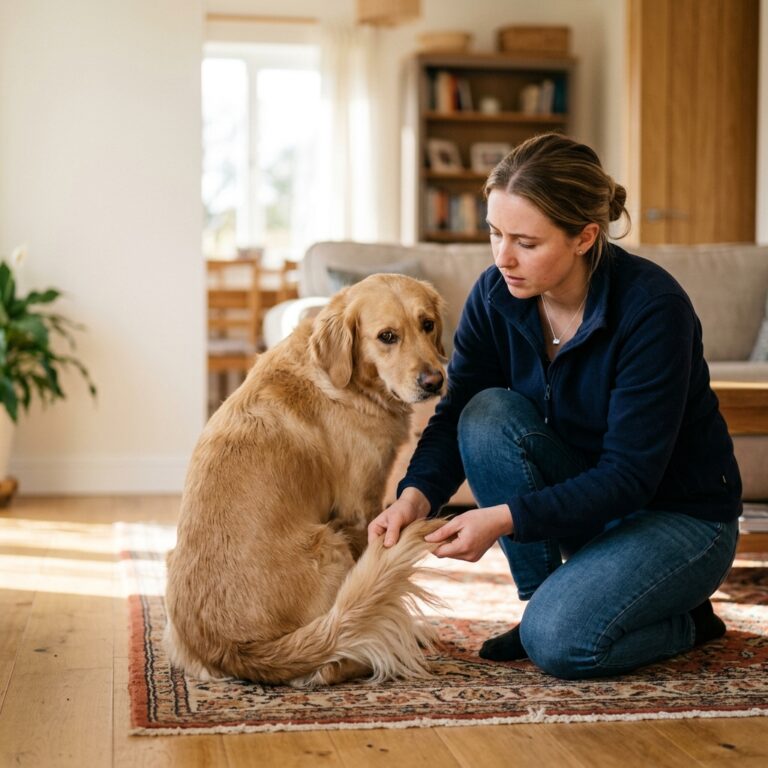
Dog Cancer Holistic Treatment can be a helpful part of your dog’s care plan when used alongside proper veterinary care. If your dog has been diagnosed with cancer, you are likely looking for clear answers, safe options, and real ways to support your pet through each stage. This guide explains how holistic support may help with comfort, daily function, and overall quality of life while your veterinarian manages the medical side of care.
Hearing that a dog has cancer is heartbreaking. Many pet owners feel shocked at first, then overwhelmed by appointments, test results, treatment plans, and hard decisions. It is a lot to carry. That is why many families look for a whole-body approach that supports not only the illness itself, but also the dog’s appetite, energy, rest, mood, and comfort at home.
Holistic support does not mean turning away from modern treatment. In many cases, it means using extra tools that may help your dog feel better physically and emotionally. This can include nutrition, stress reduction, pain management, light activity, comfort-focused therapies, and changes at home that make daily life easier. When chosen carefully, these steps may help your dog stay more settled and supported.
In this article, we will cover what holistic care may involve, why some pet owners choose it, and how to use it safely with your veterinarian’s input.
What Dog Cancer Holistic Treatment Really Means
When some people hear the word “holistic,” they think it means using natural remedies instead of standard medical treatment. That is not the goal here. In a responsible care plan, holistic support is usually added to medical treatment, not used in place of it.
A holistic plan may include:
- Nutrition changes
- Stress reduction
- Pain management support
- Gentle exercise
- Acupuncture
- Massage
- Vet-approved herbal support
- Better sleep and a calmer home routine
The aim is simple: support your dog as a whole, not just focus on the diagnosis.
Cancer can affect much more than one area of the body. It may lower appetite, upset digestion, reduce energy, disturb sleep, affect mood, and make movement harder. A whole-dog plan tries to address those everyday struggles in ways that are practical and safe.
Why Pet Owners Explore Holistic Support?
Many dog owners look into holistic care because they want to do more than wait for the next visit or react when symptoms get worse. They want to help their dog feel as comfortable and supported as possible each day.
Common reasons include:
- To support appetite during treatment
- To reduce stress and physical discomfort
- To improve energy and mobility
- To create a gentler daily routine
- To support recovery after surgery or another procedure
- To protect quality of life
That makes sense. Small changes can sometimes have a big effect. A softer place to sleep, meals that are easier to eat, more peaceful quiet time, or short slow walks can all help a dog feel a little better. And when a dog is dealing with cancer, those little improvements matter a lot.
The Most Important Rule: Work With Your Veterinarian:
Before adding any supplement, changing your dog’s food, trying herbs, or booking a complementary therapy, talk with your veterinarian or a veterinary oncologist first. This is the safest way to build a supportive plan.
Some natural products can interfere with:
- Chemotherapy drugs
- Pain management medications
- Anti-nausea drugs
- Recovery after surgery
- Existing liver or kidney problems
This is why veterinary care should remain the foundation of every decision. A safe plan is based on your dog’s diagnosis, treatment needs, symptoms, and overall health, not on claims you happen to find online.
The best holistic support is personalized, monitored, and adjusted when needed.
Building A Holistic Care Plan For A Dog With Cancer:
There is no single plan that fits every dog. What works well for one dog may not be right for another. The best approach depends on the type of cancer, your dog’s age, current treatment, strength, appetite, mobility, and any other medical issues.
The goal is to create a plan that is supportive, realistic, and manageable for daily life.
Nutrition: Start With The Basics:
For many dogs with cancer, nutrition becomes one of the first concerns. A dog that continues eating well often has an easier time keeping up strength, body condition, and energy. That does not mean you need a complicated feeding plan. It means you need one that suits your dog’s needs.
A supportive food plan may focus on:
- High-quality, easy-to-digest ingredients
- Enough calories to help prevent unhealthy weight loss
- Good protein intake, if your vet approves it
- Consistent hydration
- Foods your dog is willing to eat
Helpful Nutrition Tips:
- Warm food slightly to bring out the smell
- Offer smaller meals more often
- Use bland, vet-approved foods if digestion is sensitive
- Keep track of appetite in a notebook or app
- Ask your vet before trying raw diets or homemade meals
Some dogs lose interest in food during treatment. Others become picky or eat less because they feel sick, tired, or uncomfortable. It can be upsetting to see. Try to watch for patterns rather than panic over one off day, and let your veterinarian know if the change continues.
Stress Reduction And Emotional Comfort:
Dogs may not understand the word cancer, but they do notice discomfort, schedule changes, and tension in the home. A peaceful routine can help them feel more secure.
Simple Stress Reduction Ideas Include:
- Keeping mealtimes and rest times consistent
- Creating a quiet, cozy sleeping space
- Reducing loud sounds and rough activity
- Spending calm one-on-one time together
- Using gentle touch if your dog enjoys it
Many pet owners are surprised by how much comfort can come from very simple things. A favorite blanket, a quiet corner, a slow sit in the yard, or a little extra calm attention can change the tone of the whole day. Sometimes the most meaningful care is also the simplest!
Gentle Exercise And Mobility Support:
Movement can help some dogs feel better, but it should always match their comfort level and energy. This is not about exercise for fitness. It is about helping your dog stay comfortable and mobile without overdoing it.
Good options may include:
- Short leash walks
- Slow sniff walks
- Light movement on soft ground
- Easy stretching with guidance from a rehab professional
- Mobility aids when needed
Pause activity if your dog shows:
- Heavy panting
- Weakness
- Limping
- Reluctance to keep going
- More pain after activity
Some dogs do best with a little movement every day. Others need more rest and shorter outings. Your dog’s body language will tell you a lot, so watch closely and adjust as needed.
Supportive Therapies That May Help:
Some complementary therapies may be useful when they are provided by trained professionals and approved by your veterinarian. These therapies should support medical care, not replace it.
Acupuncture
Acupuncture is sometimes used to support comfort, appetite, and nausea control in dogs going through cancer treatment. Some pet owners are surprised at how calm their dogs are during sessions.
Possible Benefits May Include:
- Better comfort
- Improved appetite
- Less tension
- Extra support during treatment
It may not be the right fit for every dog, but for some, acupuncture becomes a helpful part of a broader care plan.
Massage And Bodywork
Gentle massage may help some dogs relax, especially if they feel stiff, tense, or unsettled. It can also create a calming moment between you and your dog, which can be valuable during a stressful time.
Keep Massage Simple:
- Use light pressure
- Avoid tumor areas unless your vet says it is okay
- Stop if your dog seems uneasy
- Focus on soothing, not fixing
Short, gentle sessions are often best. If your dog leans in and relaxes, that is a good sign.
Rehabilitation And Physical Therapy:
For dogs recovering from surgery or dealing with weakness, rehab may help improve movement and build confidence again. It can also reduce strain on other parts of the body.
This may include:
- Balance exercises
- Assisted walking
- Controlled strengthening work
- Range-of-motion support
A trained canine rehab professional can help decide what is appropriate for your dog’s condition.
Supplements: Use Caution, Not Guesswork
Supplements can be one of the most confusing parts of cancer support. Many products are marketed in ways that sound convincing, but that does not always mean they are safe, useful, or well made.
A Few Reminders Matter Here:
- Natural does not always mean safe
- More is not better
- Product quality can vary widely
- Some supplements can interfere with treatment
If Your Vet Recommends Supplements, Ask:
- What is the goal?
- Is there evidence to support it?
- Could it interact with treatment?
- What dose is right for my dog?
- How will we know if it is helping?
That is a much safer approach than trying several products at once and hoping one works.
Pain Management Should Never Be Overlooked:

Pain management is one of the most important parts of caring for a dog with cancer. Pain can affect sleep, appetite, movement, behavior, and overall comfort. The hard part is that many dogs hide pain better than people expect.
Possible Signs OF Pain Include:
- Restlessness
- Panting while resting
- Hiding
- Less interest in food
- Trouble getting up
- Changes in posture
- Irritability
- Sleeping more than usual
A good care plan should include honest attention to pain. Pain management may include prescription medication, supportive therapies, and simple changes at home. Holistic support can help, but it should never take the place of proper pain relief when your dog needs it.
Comfort Tools You Can Use AT Home:
- Orthopedic bedding
- Non-slip rugs
- Raised food and water bowls
- Ramps for furniture or cars
- Easy access to the yard
- A warm, draft-free sleeping area
These tools are simple, but they can make everyday life much easier for a dog who is weak, sore, or unsteady.
How To Support Appetite And Digestion:
Cancer and cancer treatment can affect digestion in different ways. Some dogs feel nauseated. Some seem hungry at first and then stop eating. Others may develop diarrhea or constipation. These changes can drain energy quickly.
Helpful Habits May Include:
- Feeding smaller meals throughout the day
- Offering fresh water often
- Using plain, gentle foods when digestion is off
- Avoiding sudden food changes
- Watching for vomiting or loose stool
If digestive problems continue for more than a day or two, call your veterinarian. Ongoing stomach upset can lead to dehydration and weakness, especially in dogs already under stress from treatment.
Quality OF Life Matters AS Much AS Treatment:
This is one of the hardest parts of cancer care, but it is also one of the most important. Treatment choices matter, but quality of life matters too.
Ask yourself:
- Is my dog still enjoying favorite activities?
- Is pain under control?
- Is my dog eating and drinking enough?
- Are there more good days than hard ones?
- Does my dog seem comfortable at home?
These questions can help you notice changes early and have more useful conversations with your veterinarian. A thoughtful dog cancer holistic treatment plan often puts a strong focus on quality of life, whether your dog is receiving active treatment or comfort-focused care.
Common Mistakes To Avoid:
When emotions are high, it is easy to make quick decisions. That is completely understandable. Still, steady and informed care is usually safer and more helpful.
Avoid These Common Mistakes:
- Starting supplements without veterinary approval
- Replacing veterinary care with online advice
- Ignoring pain because your dog seems quiet
- Making sudden diet changes
- Pushing exercise when your dog seems tired
- Trusting product claims without asking questions
Care based on evidence and veterinary guidance is always safer than care based on guesswork.
Questions To Ask Your Vet About Holistic Support:
Going into an appointment with questions written down can help a lot. It is easy to forget what you wanted to ask when emotions are running high.
Consider These:
- What holistic options are safe for my dog’s diagnosis?
- Can acupuncture or massage help with comfort?
- What should I know about nutrition support right now?
- Are there any supplements I should avoid?
- How do I monitor quality of life at home?
- What symptoms mean I should call right away?
Questions like these can turn a vague discussion into a clear and practical plan.
A Gentle, Practical Path Forward:
A cancer diagnosis changes everyday life, but it does not take away the bond you share with your dog. There is still room for comfort, calm moments, and meaningful good days.
The most helpful support is often the most grounded:
- Good nutrition
- Strong pain management
- Consistent stress reduction
- Safe movement
- Ongoing veterinary care
- Comfort at home
- Close observation and lots of love
Care does not have to be fancy to matter. Often, the best support comes from patient, thoughtful choices made day by day.
Final Thoughts:
If your dog is living with cancer, you do not have to figure out everything at once. Start with your veterinarian, ask clear questions, and build your plan step by step. The best dog cancer holistic treatment approach is one that supports comfort, respects medical treatment, and helps your dog enjoy as many good days as possible.
FAQs
Can Holistic Care Cure Cancer In Dogs?
Holistic care is not a proven cure for cancer in dogs. It is best used as supportive care alongside veterinary care to improve comfort and quality of life.
What Is The Safest Holistic Option To Start With?
The safest place to begin is usually with vet-guided basics like nutrition, stress reduction, home comfort changes, and proper pain management.
Should I Give My Dog Herbal Supplements For Cancer?
Only if your veterinarian approves them. Some herbs and supplements can interfere with medications or may not be safe for your dog’s condition.
About The Author