What To Do With Your Dog When You Travel can feel simple at first, until you realize your choice affects your dog’s comfort, safety, and stress level. This guide walks you through the best options, how to choose the right one, and what to do before you leave.
Leaving town is easier when you know your dog is in good hands. Some dogs do great with a sitter at home. Others are happy at a trusted boarding facility. And in some cases, the best choice is to bring your dog along. The right answer depends on your dog’s age, health, routine, and personality.
If you’ve ever worried through a trip because you weren’t sure your dog was okay, you’re not alone. Many dog owners deal with the same thing. The good news is that a little planning can make a big difference. Below, you’ll find practical tips to help you make a smart, low-stress plan for both you and your dog.
Why Planning Ahead Matters?
Most dogs like knowing what comes next, so even a small change in routine can unsettle them. If you wait until the last minute to figure out care, the trip can start feeling stressful before you even leave.
When you plan ahead, you can:
- Choose care that fits your dog’s nature and routine
- Make things easier on both your dog and the person watching them
- Give yourself time to think things through instead of rushing
- Set up a trial visit or short practice stay if needed
- Take care of feeding, medicine, and safety details ahead of time
This becomes even more important if you have a puppy, an older dog, or a dog that needs medicine or extra attention. A timid dog may feel better in a quiet, familiar home, while an active and outgoing dog may be perfectly happy in a boarding place with a set routine and time to play.
The goal is not just to “find someone to watch the dog.” The goal is to choose the option that keeps your dog safe, comfortable, and as close to their normal routine as possible.
The Best Care Options For Your Dog
The best option really depends on your dog and your trip. Some dogs feel safest with a familiar person, while others do fine with a sitter, boarding stay, or even traveling with you. Let’s look at the most practical choices and when each one may work best.
Leave Your Dog With A Trusted Friend OR Family Member
This is often the easiest choice if your dog already knows the person well.
It can work especially well for dogs who:
- Get nervous in new places
- Prefer calm, familiar people
- Need simple daily care
- Already spend time with that friend or relative
Still, don’t assume that love for your dog equals preparedness. Make sure the person understands your dog’s feeding schedule, walking habits, medications, and triggers.
A short written care sheet helps more than people think. Include feeding times, emergency contacts, your vet’s number, and a few notes about behavior.
Hire An In-Home Pet Sitter
An in-home sitter keeps your dog in a familiar space, which can lower stress. For many dogs, this is one of the best choices.
This option is great for dogs who:
- Thrive on home routine
- Don’t enjoy boarding environments
- Do better with more personal attention
- Feel uneasy around loud settings or dogs they do not know
Find out if the sitter will be there overnight or stopping by at set times during the day. That can make a big difference. Some dogs are perfectly okay with short visits for meals, walks, and playtime, while others feel more settled when someone stays longer and keeps them company.
Before you hire anyone, set up a quick meet-and-greet with your dog there too. That first interaction can tell you a lot. Notice whether your dog seems at ease, curious, or uneasy. A reliable sitter will usually want to learn the little details, like your dog’s routine, habits, and anything that helps them feel comfortable.
Use A Boarding Facility
Boarding can be a solid option when you choose carefully. Some facilities offer private suites, supervised play, medication support, and structured routines.
Boarding may be a good fit for dogs who:
- Are social and adaptable
- Enjoy activity and stimulation
- Have stayed away from home before
- Handle new environments well
Not all boarding places are equal, though. Tour the facility first. Ask about cleaning practices, staff supervision, exercise, feeding routines, vaccination policies, and how they handle emergencies.
The American Veterinary Medical Association offers helpful travel and pet care guidance that can support your planning: https://www.avma.org/resources-tools/pet-owners/petcare/traveling-your-pet-faq
Bring Your Dog With You
Sometimes the best answer is not leaving your dog behind at all. If your trip is dog-friendly and your dog travels well, bringing them may be the right move.
In that case, think through:
- Car or flight stress
- Pet-friendly lodging
- Bathroom and exercise breaks
- Local rules and leash laws
- Weather and heat safety
For some families, traveling with your dog feels easier than arranging care at home. But the trip should suit your dog, not just your preferences. A nervous dog may not enjoy crowded airports, long drives, or constant change.
How To Choose The Right Option?
A smart plan starts with your dog, not with convenience alone.
Look At Your Dog’s Personality
Ask yourself a few honest questions:
- Does your dog settle well in new places?
- Are they social with new people and dogs?
- Do they get anxious when alone?
- Do they need medication or close supervision?
- Are they young, old, or dealing with health issues?
A confident dog may enjoy a busy boarding setting. A sensitive dog may do much better staying home with a sitter.
If you’ve been wondering how to travel with your dog, the first step is deciding whether your dog actually wants or can handle travel well. Not every dog does, and that’s okay.
Think About The Length OF The Trip
The longer your trip, the more important routine becomes.
For a weekend away, a friend or sitter may be enough. For a longer trip, you’ll want a more detailed plan, backup contacts, and a caregiver who can manage changes if needed.
Long trips also increase the chance of issues like:
- Appetite changes
- Stress-related stomach upset
- Missed medication
- Separation anxiety
- Low activity or overstimulation
Consider Health And Safety Needs
Dogs with medical needs require extra care. If your dog takes medication, has mobility issues, or is recovering from illness, make sure the caregiver is comfortable handling those needs.
The Centers for Disease Control and Prevention has useful pet health and travel guidance here: https://www.cdc.gov/healthypets/pets/dogs.html
This is also a good time to check that your dog’s ID tags and microchip details are current. If your dog gets loose while you’re away, updated contact information matters.
If You Decide To Bring Your Dog
Some trips work well with dogs, especially road trips, cabin stays, and outdoor-focused vacations. Still, preparation matters.
Prepare For Car Travel
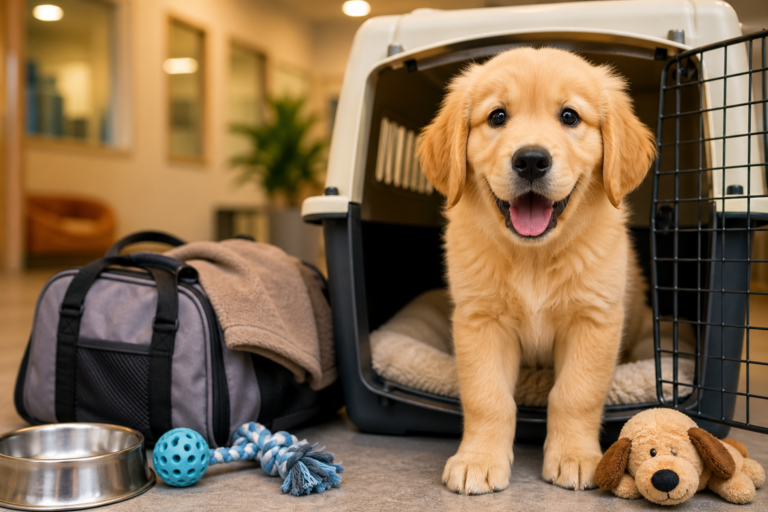
For road trips, keep your dog secure with a crash-tested harness, carrier, or crate. Loose dogs in cars are not just distracting. They’re at risk in sudden stops or accidents.
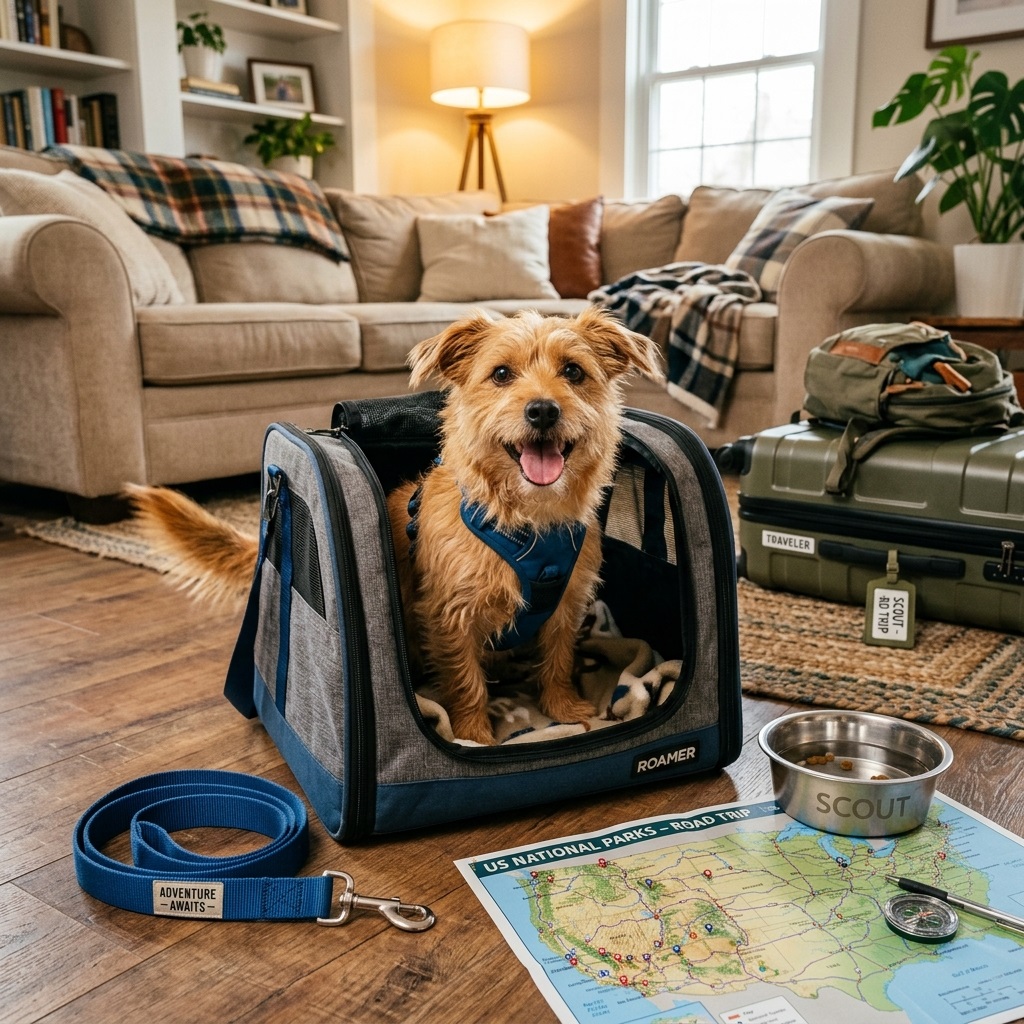
Pack the basics:
- Food and water
- Bowls
- Leash and harness
- Waste bags
- Medication
- Bed or blanket
- Favorite toy
- Vaccination records if needed
If you plan to travel with your dog, take a few short practice drives first if your dog is not used to the car. That helps you spot motion sickness or anxiety before a long trip.
Think Carefully About Air Travel
Air travel is not easy for every dog, and it helps to think carefully before you book a flight. Smaller dogs can sometimes ride in the cabin if they meet the airline’s rules, but bigger dogs may have to travel in cargo, which can be a lot harder on them.
Before you book a flight, take a few minutes to read the airline’s pet policy closely. Check the carrier size rules, breed limits, weather restrictions, and any health paperwork you may need so there are no surprises later.
Some dogs handle flying without much trouble, but for others, it can be overwhelming from start to finish. If you are unsure how your dog might react, it is a good idea to talk with your veterinarian before making any flight plans.
Check Destination Rules
Every destination is different. If you’re planning traveling with your dog to europe or asking yourself can you travel to canada with your dog, start with official entry rules well in advance. Vaccine timing, paperwork, and health certificates may apply.
For U.S. travelers, the USDA Animal and Plant Health Inspection Service provides official pet travel information: https://www.aphis.usda.gov/pet-travel
That kind of prep is not just paperwork. It protects your dog from delays, denied entry, or avoidable stress.
What To Pack If Someone Else Is Watching Your Dog
Whether your dog stays with a sitter, family member, or boarding facility, pack more than food.
Your Dog Care Checklist
Send your dog with:
- Enough food for the whole stay, plus extra
- Feeding instructions
- Medication and dosage notes
- Leash, harness, and collar
- Bed or blanket with familiar scent
- Favorite toy or chew
- Vet contact information
- Emergency contact
- Written routine for walks, bathroom breaks, and sleep
This is also where the best way to travel with your dog mindset helps, even if your dog is not coming with you. Good travel planning means reducing stress through familiarity, routine, and clear information.
Leave Clear Instructions
Keep the instructions simple and easy to read. A short one-page note is usually all you need if it includes the main details.
That note should cover things such as:
- What your dog eats and when
- What foods they should avoid
- How they react to strangers or other dogs
- Commands they know
- Signs of stress to watch for
- Where cleaning supplies are kept in case of accidents
The clearer your instructions are, the easier it will be for the person watching your dog to follow your routine and take good care of them.
Common Mistakes To Avoid
Even caring dog owners sometimes make rushed choices before a trip. These are some of the most common mistakes.
Choosing Based On Price Alone
Budget matters, but the cheapest option is not always the safest or most comfortable. Look at value, experience, supervision, and fit.
Skipping A Trial Run
If possible, do one overnight stay, a daycare session, or a meet-and-greet before your trip. This helps you see how your dog responds.
Forgetting About Stress Signals
Some dogs stop eating, pace, whine, or become withdrawn when stressed. Tell the caregiver what is normal for your dog and what is not.
Leaving Out Important Health Details
Never assume a caregiver will “figure it out.” If your dog has allergies, needs medication, or has behavior triggers, explain them clearly.
Smart Tips That Make Travel Easier
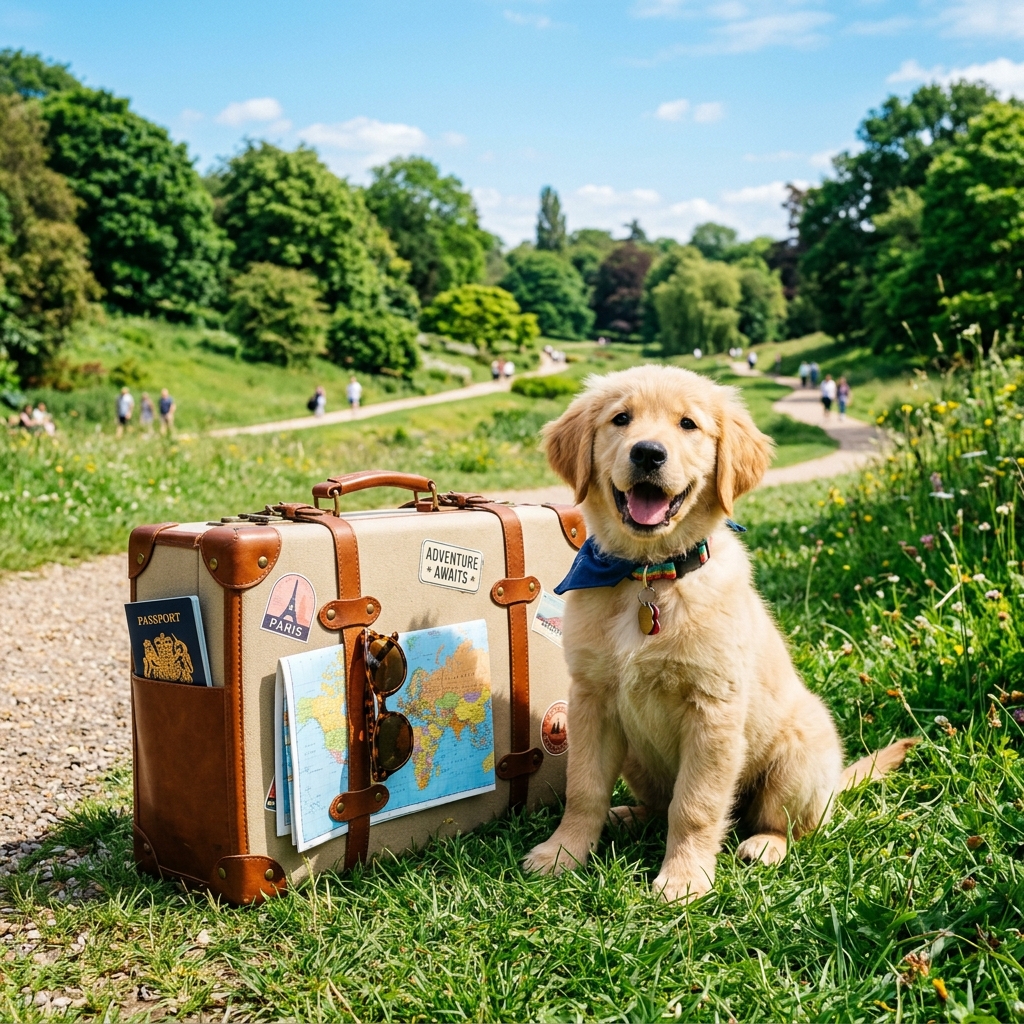
A few small steps can make a big difference before you leave.
Keep Routine As Normal As Possible
In the days before the trip, avoid making too many changes at once. Stick to your dog’s regular meals, walks, and bedtime as much as you can.
Exercise Your Dog Before Drop-Off OR Departure
Giving your dog a chance to burn off some energy before you go can really help. A good walk, a little fetch, or even a short play session in the yard may make the change feel easier and less stressful.
Stay Calm During Goodbye
Your dog can usually tell when you’re tense, so try to leave in a calm and casual way. A quick goodbye is often easier on them than a long, emotional one that makes the moment feel bigger than it needs to.
Have A Backup Plan
It also helps to have a second person in mind just in case something falls through. Plans can shift, and sitters can have emergencies too, so having a backup can save you a lot of stress, especially if you’ll be away for more than a day or two.
If you often ask can you travel with your dog, the real answer is yes, sometimes. But it works best when you match the plan to your dog’s needs instead of forcing them into yours.
How To Know You Made The Right Choice
After the trip, pay attention to how your dog acts.
Good signs include:
- Normal appetite
- Normal bathroom habits
- Relaxed body language
- Easy return to routine
- Positive response to the caregiver or place next time
If your dog comes home exhausted, stressed, or unusually clingy, review what may not have worked. Sometimes the right solution takes a little trial and error.
And if you’re researching best places to travel with your dog, places to travel with your dog, 50 places to travel with your dog, best places to travel solo with your dog, or best places to travel with your dog in california, remember that the destination matters less than your dog’s comfort and safety. A simple, dog-friendly weekend close to home may be far better than a big trip that overwhelms them.
Final Thoughts
It’s a lot easier to enjoy your time away when you’re not constantly wondering how your dog is doing. The right setup is the one that matches your dog’s habits, comfort level, and overall needs. Some dogs are happiest staying at home with a reliable sitter, while others may do well at a good boarding place or on the trip with you if they handle travel well.
Try to sort out your dog-care plan before the last minute, and don’t be afraid to ask detailed questions. If possible, do a short trial stay or practice visit first. That extra effort can give you peace of mind and help your dog feel more comfortable while you’re gone.
Before you leave, take a little time to choose the option that fits your dog best. A simple plan based on your dog’s routine, personality, and comfort can help both of you feel much more at ease while you’re apart.
FAQs
Is it Better To Board My Dog OR Leave Them With A Sitter?
It depends on your dog. Social, adaptable dogs may do well boarding, while anxious or routine-loving dogs often do better at home with a sitter.
How Early Should I Plan Dog Care Before A Trip?
Try to plan at least two to four weeks ahead. For holidays or longer trips, even earlier is better.
Should I Bring My Dog On Vacation?
Bring your dog only if the trip is truly dog-friendly and your dog handles travel well. Comfort and safety should come first.
CTA
Planning a trip soon? Save this guide, share it with another dog owner, and use it to create a care plan that keeps your dog safe, comfortable, and well looked after while you’re away.
Disclaimer: The information provided in this article is for educational and informational purposes only and is not intended as veterinary or professional advice.
About The Author